
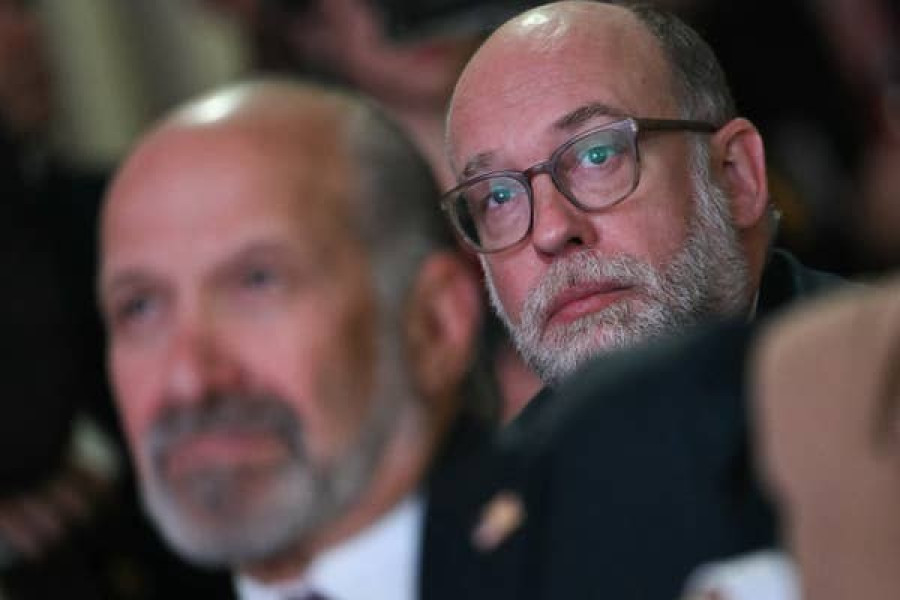
President Donald Trump raised questions about his plans for the upcoming midterm elections after speaking about Russ Vought, the director of the Office of Management and Budget and a leading architect of Project 2025. During a speech in Maryland, Trump said that he and Vought had “some big surprises” ahead. He did not explain what those surprises would involve, but his remarks quickly drew attention because they came shortly after he referred to a possible “midterm surprise” in a social media post.
Trump Praises Vought’s Role
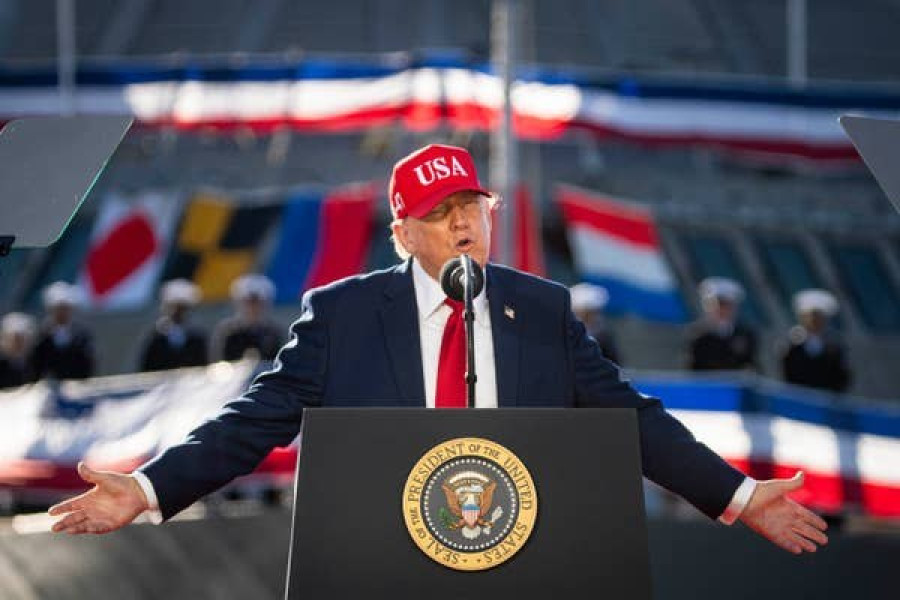
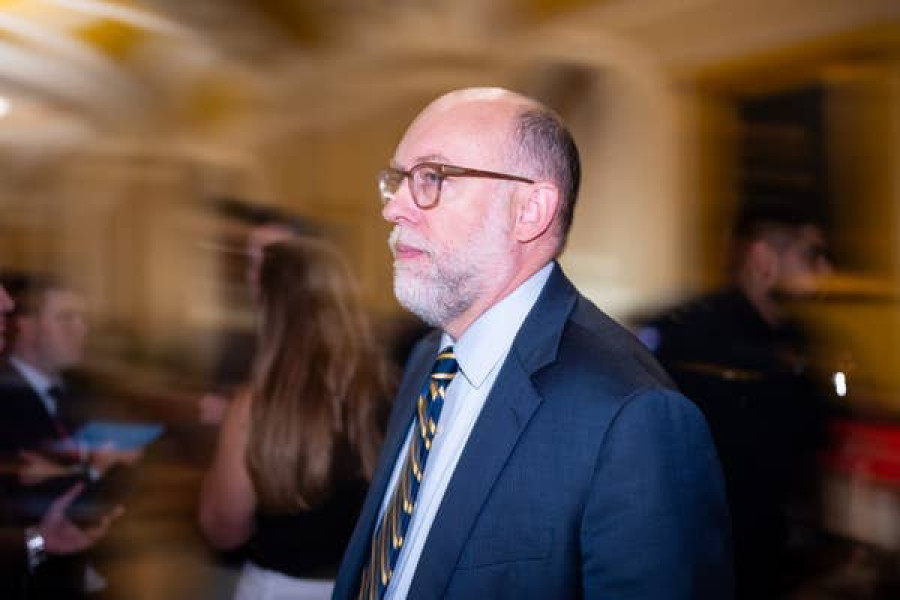
While discussing Vought, Trump described him as an important figure in the country’s future and praised the work he was doing in the administration. Trump suggested that Vought had major plans underway and said that the public would see the results in the weeks ahead. The president addressed Vought directly during the speech, asking whether he agreed that significant developments were coming.
Trump offered no specific details about the projects or policies he had in mind. He did not identify whether the “surprises” would involve government programs, executive actions, election policy, or another issue. Because the statement was left unexplained, much of the public discussion centered on what role Vought might play and how his work could affect the political process.
Vought and Project 2025


Vought is known not only for his government position but also for his connection to Project 2025, a conservative policy plan created to guide a future Republican administration. The plan includes proposals for changing the federal government, expanding presidential control over executive agencies, and replacing or reorganizing parts of the federal workforce.
Vought has been described as the main architect of the plan. His position gives him influence over the federal budget process and the operations of the Office of Management and Budget. That office reviews agency requests, helps shape spending priorities, and works with the president on government-wide policy decisions. These responsibilities have led critics to examine how Vought might use his authority during an election period.
Trump did not specifically say that his comments referred to Project 2025 or to election administration. The connection was made by observers who were already concerned about the administration’s approach to voting rules, election oversight, and the structure of the federal government.
Why the Comments Caused Concern
Some critics interpreted Trump’s remarks as a possible warning that his administration was preparing steps intended to influence the midterm elections. Their concerns were shaped by Trump’s separate reference to a coming midterm “surprise” and by his history of making claims about election results and voting procedures. Without further explanation from the president, those critics argued that the public should pay close attention to any new policy affecting elections.
Other commentators focused more directly on Vought’s government authority. They raised the possibility that an administration official could affect elections indirectly by changing federal funding, altering oversight procedures, or replacing officials responsible for administering elections. These claims were presented as concerns about possible actions, not as evidence that such a plan had been announced or carried out.
The uncertainty surrounding Trump’s statement became a major part of the reaction. Since he did not identify the nature of the promised changes, supporters and critics were left to interpret the comment based on his past statements and current policy efforts. The lack of details also made it difficult to determine whether the announcement involved elections at all.
Actions Affecting Election Policy
During his second term, Trump has taken or supported several steps that critics say could affect the way midterm elections are conducted. These efforts include encouraging Republican-controlled states to redraw congressional district maps in ways that could benefit Republican candidates. Redistricting is normally handled through state-level processes, but presidential support can add political pressure to those debates.
Trump has also supported limits on mail-in voting. Changes to mail voting can affect how voters request, receive, and return ballots, particularly in states where large numbers of people rely on that method. Supporters of tighter rules say they are intended to protect election security. Critics argue that restrictions could make voting harder for eligible citizens who cannot easily vote in person.
Another proposal supported by Trump is the SAVE Act. The measure would require voters to provide proof of citizenship when registering or casting a ballot, depending on the final rules. Supporters say the requirement would help prevent noncitizens from voting. Opponents argue that noncitizens are already prohibited from voting in federal elections and that additional documentation requirements could create obstacles for eligible voters.
Questions About Federal Power
Concerns about Vought’s possible role also involve the broader power of the federal government. The Office of Management and Budget can influence agencies through budget decisions, spending reviews, and administrative guidance. Critics have argued that those tools could be used to pressure election-related offices or reduce resources available for independent oversight.
Election administration in the United States is spread across federal, state, and local governments. Local officials typically manage polling places, voter records, ballot counting, and other parts of the process. Federal funding and guidance can still affect their work, especially when agencies depend on national support for equipment, security, staffing, or technology.
Some observers have therefore raised hypothetical concerns about replacing nonpartisan election officials with political loyalists, cutting funding for election programs, or limiting independent reviews. These possibilities were discussed as potential risks connected to the administration’s broader approach to government control. Trump did not announce any such actions in the speech, and no specific election interference plan was identified.
What Remains Unknown
The central question is what Trump meant by “big surprises” and whether the phrase had any connection to the midterm elections. His comments did not provide a policy announcement, a timeline, or an explanation of the proposed changes. Vought also was not publicly described as leading a particular election-related effort during the speech.
For now, the remarks remain an open-ended political statement. Their importance depends on whether the administration later introduces new election rules, budget decisions, executive actions, or other measures involving voting and election oversight. Until more information is provided, the concerns surrounding the comments are based on context and past policy efforts rather than a clearly stated plan.
Trump’s praise of Vought and his reference to undisclosed surprises have nevertheless focused attention on the administration’s plans for the midterm elections. Vought’s role in Project 2025, combined with his position in the federal budget office, has made him a central figure in debates over presidential power and election administration. The meaning of Trump’s announcement will become clearer only if the promised changes are eventually explained or put into action.
Trump Praises Vought’s Role
While discussing Vought, Trump described him as an important figure in the country’s future and praised the work he was doing in the administration. Trump suggested that Vought had major plans underway and said that the public would see the results in the weeks ahead. The president addressed Vought directly during the speech, asking whether he agreed that significant developments were coming.
Trump offered no specific details about the projects or policies he had in mind. He did not identify whether the “surprises” would involve government programs, executive actions, election policy, or another issue. Because the statement was left unexplained, much of the public discussion centered on what role Vought might play and how his work could affect the political process.
Vought and Project 2025
Vought is known not only for his government position but also for his connection to Project 2025, a conservative policy plan created to guide a future Republican administration. The plan includes proposals for changing the federal government, expanding presidential control over executive agencies, and replacing or reorganizing parts of the federal workforce.
Vought has been described as the main architect of the plan. His position gives him influence over the federal budget process and the operations of the Office of Management and Budget. That office reviews agency requests, helps shape spending priorities, and works with the president on government-wide policy decisions. These responsibilities have led critics to examine how Vought might use his authority during an election period.
Trump did not specifically say that his comments referred to Project 2025 or to election administration. The connection was made by observers who were already concerned about the administration’s approach to voting rules, election oversight, and the structure of the federal government.
Why the Comments Caused Concern
Some critics interpreted Trump’s remarks as a possible warning that his administration was preparing steps intended to influence the midterm elections. Their concerns were shaped by Trump’s separate reference to a coming midterm “surprise” and by his history of making claims about election results and voting procedures. Without further explanation from the president, those critics argued that the public should pay close attention to any new policy affecting elections.
Other commentators focused more directly on Vought’s government authority. They raised the possibility that an administration official could affect elections indirectly by changing federal funding, altering oversight procedures, or replacing officials responsible for administering elections. These claims were presented as concerns about possible actions, not as evidence that such a plan had been announced or carried out.
The uncertainty surrounding Trump’s statement became a major part of the reaction. Since he did not identify the nature of the promised changes, supporters and critics were left to interpret the comment based on his past statements and current policy efforts. The lack of details also made it difficult to determine whether the announcement involved elections at all.
Actions Affecting Election Policy
During his second term, Trump has taken or supported several steps that critics say could affect the way midterm elections are conducted. These efforts include encouraging Republican-controlled states to redraw congressional district maps in ways that could benefit Republican candidates. Redistricting is normally handled through state-level processes, but presidential support can add political pressure to those debates.
Trump has also supported limits on mail-in voting. Changes to mail voting can affect how voters request, receive, and return ballots, particularly in states where large numbers of people rely on that method. Supporters of tighter rules say they are intended to protect election security. Critics argue that restrictions could make voting harder for eligible citizens who cannot easily vote in person.
Another proposal supported by Trump is the SAVE Act. The measure would require voters to provide proof of citizenship when registering or casting a ballot, depending on the final rules. Supporters say the requirement would help prevent noncitizens from voting. Opponents argue that noncitizens are already prohibited from voting in federal elections and that additional documentation requirements could create obstacles for eligible voters.
- Support for congressional redistricting efforts that may favor Republican candidates
- Attempts to limit or restrict mail-in voting
- Support for legislation requiring proof of citizenship in connection with voting
- Debate over the independence and funding of election administration
Questions About Federal Power
Concerns about Vought’s possible role also involve the broader power of the federal government. The Office of Management and Budget can influence agencies through budget decisions, spending reviews, and administrative guidance. Critics have argued that those tools could be used to pressure election-related offices or reduce resources available for independent oversight.
Election administration in the United States is spread across federal, state, and local governments. Local officials typically manage polling places, voter records, ballot counting, and other parts of the process. Federal funding and guidance can still affect their work, especially when agencies depend on national support for equipment, security, staffing, or technology.
Some observers have therefore raised hypothetical concerns about replacing nonpartisan election officials with political loyalists, cutting funding for election programs, or limiting independent reviews. These possibilities were discussed as potential risks connected to the administration’s broader approach to government control. Trump did not announce any such actions in the speech, and no specific election interference plan was identified.
What Remains Unknown
The central question is what Trump meant by “big surprises” and whether the phrase had any connection to the midterm elections. His comments did not provide a policy announcement, a timeline, or an explanation of the proposed changes. Vought also was not publicly described as leading a particular election-related effort during the speech.
For now, the remarks remain an open-ended political statement. Their importance depends on whether the administration later introduces new election rules, budget decisions, executive actions, or other measures involving voting and election oversight. Until more information is provided, the concerns surrounding the comments are based on context and past policy efforts rather than a clearly stated plan.
Trump’s praise of Vought and his reference to undisclosed surprises have nevertheless focused attention on the administration’s plans for the midterm elections. Vought’s role in Project 2025, combined with his position in the federal budget office, has made him a central figure in debates over presidential power and election administration. The meaning of Trump’s announcement will become clearer only if the promised changes are eventually explained or put into action.