
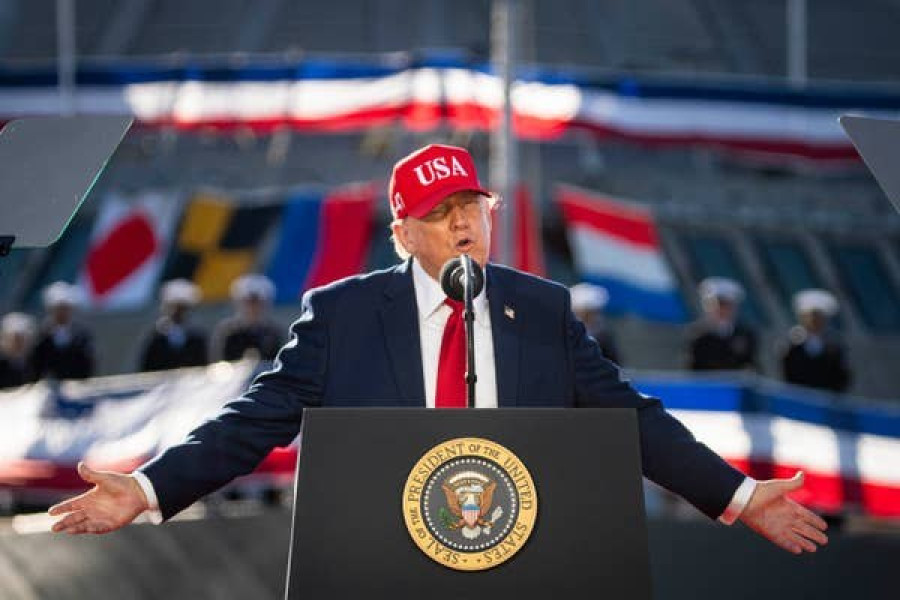
President Donald Trump said that he and budget director Russ Vought had “some big surprises coming up” in the weeks ahead, but offered no details about what he meant. The remark came during a speech in Maryland, after Trump had also predicted a “midterm surprise” in a social media post. With the elections approaching, the comments drew attention and prompted speculation, though neither statement identified a specific plan or action.
A vague promise of surprises
During his speech, Trump praised Vought, the director of the Office of Management and Budget, calling him “fantastic” and saying he was “on a job.” Trump then suggested that Vought had important work underway. He said Vought would become “one of the very important people in the history of our country,” adding that he had “some great things happening.”
Trump did not explain what the promised surprises would involve, when they would be revealed, or whether they were connected to the midterm elections. The phrase “in another few weeks” gave a rough timeframe, but the speech provided no further description. As a result, listeners were left without enough information to determine what Trump was referring to.
The timing contributed to the attention around the remarks. Earlier that day, Trump had used the phrase “Midterm Surprise!” in a social media post. The speech and the post were separate statements, and Trump did not directly explain whether they referred to the same thing. He also did not say that the surprises would involve voting, election rules, or the administration’s approach to the midterms.
Vought’s role and political work
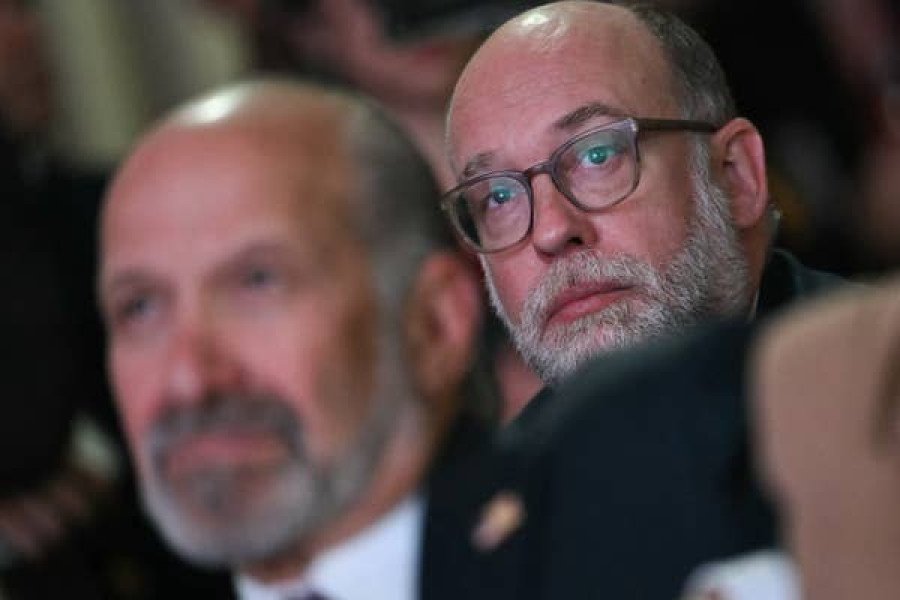
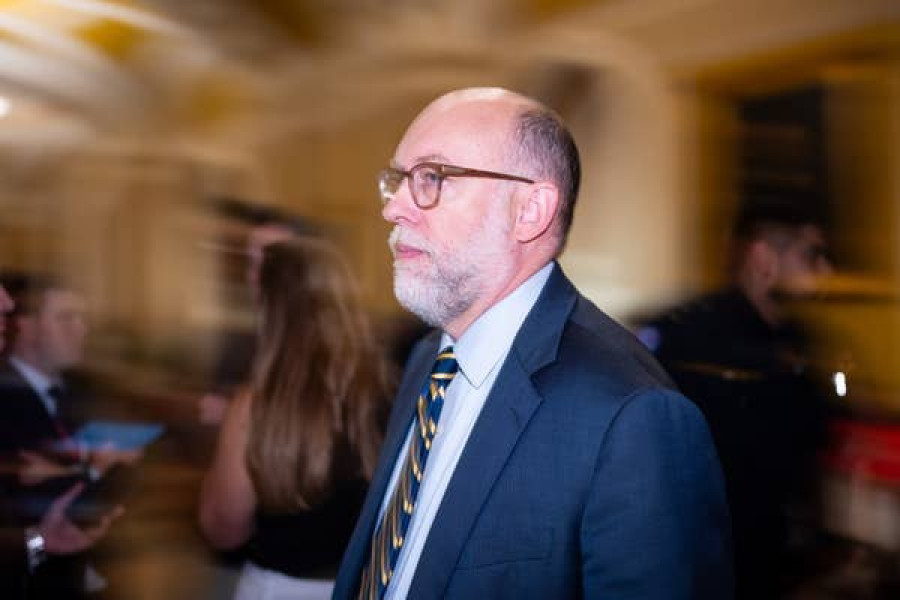
Vought holds an official position in the Trump administration as director of the Office of Management and Budget. He is also a leading architect of Project 2025, a conservative policy blueprint for a second Trump term. The project outlines ideas for how a conservative administration could govern, making Vought’s role in it part of the context surrounding Trump’s praise.
Trump did not mention Project 2025 by name during the speech. Nor did he spell out which of Vought’s projects he had in mind when he described “great things” happening. The connection between Vought’s policy work and the “big surprises” therefore remained unclear. The available remarks establish that Trump praised Vought and hinted at upcoming plans, but they do not establish what those plans are.
That distinction matters when interpreting a brief, undefined statement. A promise of future action can invite questions, especially when it comes from a president and concerns a senior administration official. But without a specific proposal or explanation, the speech alone does not show that the administration intends to take a particular step related to the election.
Concerns raised by critics
Some commentators interpreted Trump’s remarks as a possible warning about efforts to influence the midterms. Their concerns were shaped by the combination of the “midterm surprise” post, Trump’s comments about Vought, and the official’s role in the administration. Those reactions expressed fears about what might happen; they were not confirmation of a plan announced by Trump.
Critics also raised the possibility that an official role could be used to affect election administration. Their comments suggested several potential concerns, including changes to who oversees elections, reductions in funding, or limits on independent oversight. The remarks supplied no evidence that Vought had taken those actions, or that Trump had directed him to do so. These possibilities were raised by commenters as predictions and warnings.
One commentator described the statements as a reason to prepare for an attempt to undermine the election. Others speculated about extreme steps, including martial law. Such claims were not supported by details in Trump’s speech. They reflect the range of fears expressed online, rather than information about a confirmed government decision.
Election actions cited in the debate
Critics pointed to several actions during Trump’s second term as reasons for concern about election rules. They cited pressure on Republican-led states to redraw congressional district maps in ways that could benefit Republicans, efforts to restrict mail-in voting, and support for the SAVE Act in Congress.
The SAVE Act, as described in the debate, would require voters to provide proof of citizenship when casting a ballot. The other examples concern district boundaries and how voters can cast ballots by mail. These issues are separate from Trump’s vague promise of surprises, but critics connected them to their broader concerns about the fairness and administration of the upcoming elections.
These examples do not explain what Trump meant in Maryland. They are part of the larger political argument over election rules and the balance of power ahead of the midterms. The speech did not connect the “surprises” to any of the actions listed by critics, and it did not announce a change to voting procedures or election oversight.
What is known—and what remains unclear
The confirmed details are limited. Trump praised Vought, described him as important to the country’s future, and said that the two had major surprises coming in the weeks ahead. He did not outline those surprises. Separately, he used the phrase “Midterm Surprise!” in a post earlier that day. The two remarks created questions, but they did not provide a clear answer.
Online reactions ranged from predictions of election interference to speculation about emergency measures. Those reactions show how some people understood the timing and wording. They should not be mistaken for proof that any specific action is planned. Without further explanation from Trump or the administration, it is not possible to say whether the comments referred to policy, political strategy, or something unrelated to the election.
As the midterms approach, Trump’s comments about “big surprises” have added to an ongoing debate about election rules and government influence. For now, the central facts remain straightforward: Trump praised Russ Vought, hinted at upcoming developments, and left their nature unspecified. The concerns voiced by critics are significant political reactions, but the speech itself did not confirm that the administration intends to interfere with the elections.
A vague promise of surprises
During his speech, Trump praised Vought, the director of the Office of Management and Budget, calling him “fantastic” and saying he was “on a job.” Trump then suggested that Vought had important work underway. He said Vought would become “one of the very important people in the history of our country,” adding that he had “some great things happening.”
Trump did not explain what the promised surprises would involve, when they would be revealed, or whether they were connected to the midterm elections. The phrase “in another few weeks” gave a rough timeframe, but the speech provided no further description. As a result, listeners were left without enough information to determine what Trump was referring to.
The timing contributed to the attention around the remarks. Earlier that day, Trump had used the phrase “Midterm Surprise!” in a social media post. The speech and the post were separate statements, and Trump did not directly explain whether they referred to the same thing. He also did not say that the surprises would involve voting, election rules, or the administration’s approach to the midterms.
Vought’s role and political work
Vought holds an official position in the Trump administration as director of the Office of Management and Budget. He is also a leading architect of Project 2025, a conservative policy blueprint for a second Trump term. The project outlines ideas for how a conservative administration could govern, making Vought’s role in it part of the context surrounding Trump’s praise.
Trump did not mention Project 2025 by name during the speech. Nor did he spell out which of Vought’s projects he had in mind when he described “great things” happening. The connection between Vought’s policy work and the “big surprises” therefore remained unclear. The available remarks establish that Trump praised Vought and hinted at upcoming plans, but they do not establish what those plans are.
That distinction matters when interpreting a brief, undefined statement. A promise of future action can invite questions, especially when it comes from a president and concerns a senior administration official. But without a specific proposal or explanation, the speech alone does not show that the administration intends to take a particular step related to the election.
Concerns raised by critics
Some commentators interpreted Trump’s remarks as a possible warning about efforts to influence the midterms. Their concerns were shaped by the combination of the “midterm surprise” post, Trump’s comments about Vought, and the official’s role in the administration. Those reactions expressed fears about what might happen; they were not confirmation of a plan announced by Trump.
Critics also raised the possibility that an official role could be used to affect election administration. Their comments suggested several potential concerns, including changes to who oversees elections, reductions in funding, or limits on independent oversight. The remarks supplied no evidence that Vought had taken those actions, or that Trump had directed him to do so. These possibilities were raised by commenters as predictions and warnings.
One commentator described the statements as a reason to prepare for an attempt to undermine the election. Others speculated about extreme steps, including martial law. Such claims were not supported by details in Trump’s speech. They reflect the range of fears expressed online, rather than information about a confirmed government decision.
Election actions cited in the debate
Critics pointed to several actions during Trump’s second term as reasons for concern about election rules. They cited pressure on Republican-led states to redraw congressional district maps in ways that could benefit Republicans, efforts to restrict mail-in voting, and support for the SAVE Act in Congress.
The SAVE Act, as described in the debate, would require voters to provide proof of citizenship when casting a ballot. The other examples concern district boundaries and how voters can cast ballots by mail. These issues are separate from Trump’s vague promise of surprises, but critics connected them to their broader concerns about the fairness and administration of the upcoming elections.
- Congressional maps: Critics said Trump had urged Republican-led states to redraw districts in ways that could favor Republican candidates.
- Mail-in voting: They cited efforts to place new restrictions on voting by mail.
- Voter citizenship requirements: They pointed to the proposed SAVE Act, which would require proof of citizenship to vote.
These examples do not explain what Trump meant in Maryland. They are part of the larger political argument over election rules and the balance of power ahead of the midterms. The speech did not connect the “surprises” to any of the actions listed by critics, and it did not announce a change to voting procedures or election oversight.
What is known—and what remains unclear
The confirmed details are limited. Trump praised Vought, described him as important to the country’s future, and said that the two had major surprises coming in the weeks ahead. He did not outline those surprises. Separately, he used the phrase “Midterm Surprise!” in a post earlier that day. The two remarks created questions, but they did not provide a clear answer.
Online reactions ranged from predictions of election interference to speculation about emergency measures. Those reactions show how some people understood the timing and wording. They should not be mistaken for proof that any specific action is planned. Without further explanation from Trump or the administration, it is not possible to say whether the comments referred to policy, political strategy, or something unrelated to the election.
As the midterms approach, Trump’s comments about “big surprises” have added to an ongoing debate about election rules and government influence. For now, the central facts remain straightforward: Trump praised Russ Vought, hinted at upcoming developments, and left their nature unspecified. The concerns voiced by critics are significant political reactions, but the speech itself did not confirm that the administration intends to interfere with the elections.