
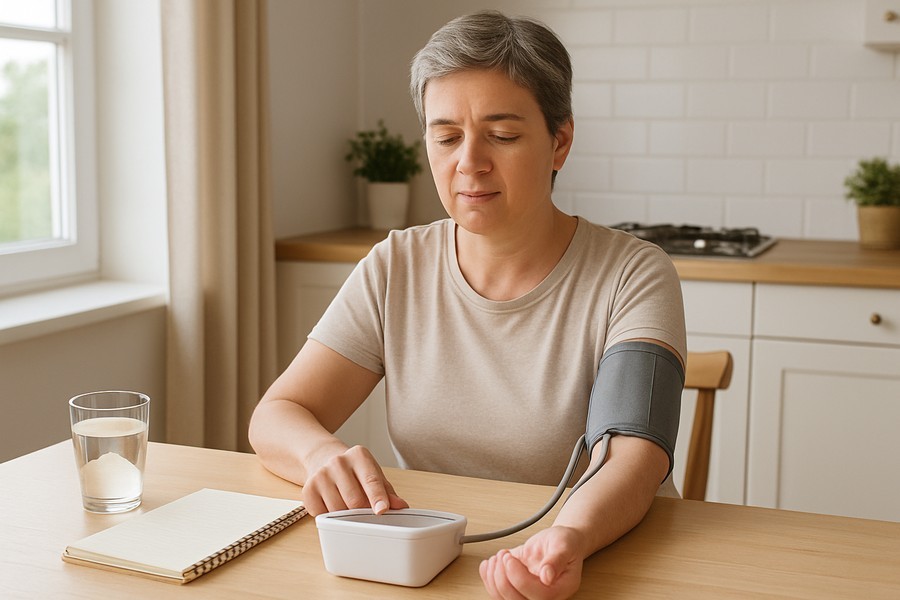
Uncovering the Mystery of Home Blood Pressure Checks
Are you worried about your blood pressure and wondering if you should be monitoring it at home? You're not alone. Many people are in the same boat, especially after a high reading during a routine check-up. However, they're often left unsure of what to do next, as medication isn't always the immediate solution.
The Silent Danger of Hypertension
Hypertension, or high blood pressure, has earned the nickname "the silent killer". This is because it can lead to severe health complications such as heart disease, strokes, and kidney disease, even though individuals with high blood pressure may feel perfectly healthy. It's a common condition, affecting about 31% of adults worldwide. That's why regular blood pressure checks are crucial.
The government recommends that all adults over the age of 18 should have their blood pressure checked, but this isn't as straightforward as it may seem. While office checks are crucial for identifying those at risk, diagnosing hypertension is a bit more complicated.
Understanding the Complexity of Hypertension Diagnosis
Hypertension is diagnosed based on a series of high blood pressure readings rather than a single one, as blood pressure naturally fluctuates throughout the day. Many factors can influence these readings. For instance, being in a doctor's office or hospital can cause stress or anxiety, leading to temporarily elevated blood pressure. This is known as "white coat hypertension."
That's why a single high reading doesn't necessarily mean you have hypertension. For a firm diagnosis, more data is needed, and this is where home checks can prove useful.
The Value of Home Blood Pressure Monitoring
Home blood pressure monitoring can provide additional data to a single office reading and can be particularly useful if you've had a high or borderline reading in a healthcare setting. However, not everyone needs to rush out and purchase a blood pressure cuff. It's more about monitoring occasionally at home to provide your doctor with additional data for an accurate diagnosis.
However, it's essential to follow the correct technique while checking your blood pressure at home or at a doctor's office. Using a too-small cuff can cause inaccurate readings. You should also avoid caffeine, exercise, or smoking for at least 30 minutes before checking your blood pressure. A full bladder can also raise your blood pressure, so make sure to relieve yourself before the test. Resting quietly for at least five minutes before the test and sitting in a comfortable position with your back supported can also ensure more accurate readings.
Choosing the Right Blood Pressure Cuff
If you decide to purchase a blood pressure cuff for home use, choosing the right one is crucial. Several models have been scientifically validated, but if you're unsure, it's always best to consult with your doctor. The cuff should fit correctly, covering 75% to 100% of your arm's circumference, and it should comfortably wrap around your upper arm about one and a half times. It's also crucial that the cuff is placed on bare skin and that your arm is supported at heart level during the measurement.
Understanding the Threshold for Medication
Over the years, doctors have redefined hypertension, lowering the blood pressure targets to prevent serious cardiovascular events. Now, normal blood pressure is below 120/80, readings of 120-129/80 indicate elevated blood pressure, and anything 130/80 or above is considered hypertension.
If you've had multiple readings in the hypertension range over a month, your doctor might recommend starting medication. However, if a new patient has a single very high reading, medication might be prescribed immediately, particularly if a follow-up appointment is challenging.
The Importance of Age in Treatment Goals
While treating high blood pressure is crucial, it's also important to consider the patient's age. For older patients, the side effects of intensive blood pressure treatment can sometimes outweigh the benefits. Therefore, blood pressure values are usually allowed to run a little higher in the elderly.
Prevention: The Best Defense
Regular exercise and moderating alcohol intake can help reduce the risk of developing hypertension. A healthy diet, such as the DASH plan which emphasizes fresh fruits, vegetables, fiber and whole grains, can also help. Stress reduction techniques, including yoga and meditation, can also be beneficial.
However, if you're diagnosed with hypertension despite following a healthy lifestyle, don't blame yourself. Hypertension is heavily influenced by genetics. In such cases, medication plays a critical role in bringing your blood pressure down to healthy levels.