
The Potential Impact of Changing Birthright Citizenship Laws on Education
The concept of being born on U.S. soil automatically making you a citizen is under scrutiny. This birthright citizenship was established by the 14th Amendment in 1868, and has been upheld by the U.S. Supreme Court for well over a century. However, this right is coming into question again as the Supreme Court is set to hear a case that could limit or possibly even terminate birthright citizenship.
Arguments from the opposition suggest that this right has been extended too generously to children born to non-citizen parents, leading to an influx of people into the country.
If the Supreme Court decides to rescind this constitutional right, it would impact children born after a yet-to-be-determined date. Estimations made by independent researchers suggest that this could result in approximately 255,000 U.S.-born children starting life without U.S. citizenship every year, adding up to around 4.8 million children by the year 2045.
A Fundamental Right
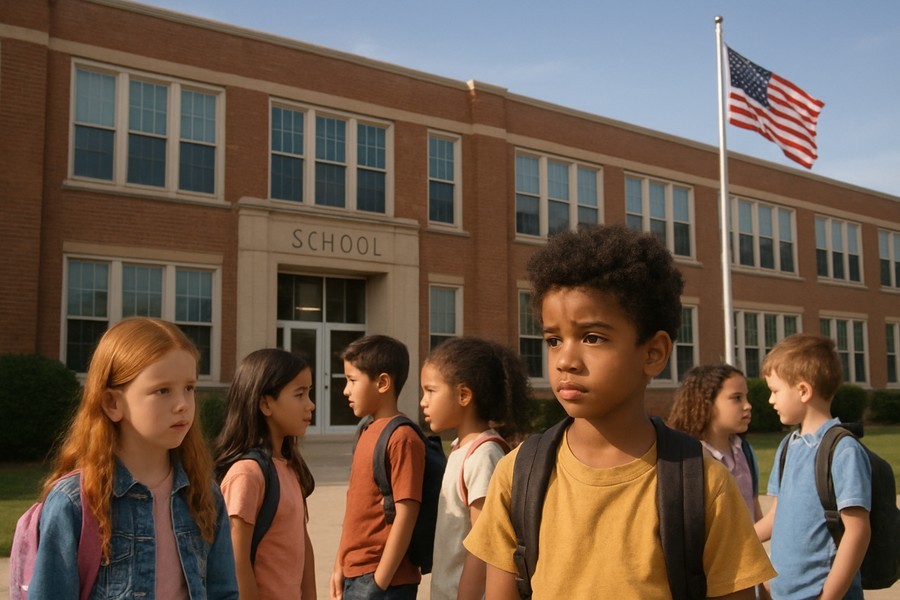
Experts in child welfare argue that birthright citizenship is key for a child's wellbeing. They believe it's crucial that all children in the U.S. begin life with equal opportunities and access to resources. An important part of these resources is the country's public K-12 schools, which not only educate children but also serve as a hub for various services like free meals, mental health support, and assistance for students with disabilities. The potential change in citizenship laws might complicate access to these services for many children and may also affect their path to higher education.
The Right to Education for All
It is important to note that all children in the United States, regardless of their immigration status, have the legal right to a free K-12 public education. This was confirmed in a landmark Supreme Court ruling in 1982. This ruling also discouraged schools from collecting immigration data on their students or their families. However, there are concerns that this ruling could become a political target and could be reconsidered.
There has been a clear intent shown by some political groups to overturn this ruling. Some states are even considering legislation to track the legal status of K-12 students and to deny enrollment to undocumented students. If these proposals become law, they could invite legal challenges and potentially reopen the debate on whether immigrant children have the right to a public education.
Impact on School Attendance
Immigration enforcement efforts can negatively affect school attendance. For example, some districts in Minnesota reportedly had a 20-40% increase in absences due to heightened federal immigration presence. In another study, school districts in California's Central Valley saw a 22% increase in absences following immigration raids. These trends indicate that the right of immigrant children to attend public schools is already under threat.
Students with Disabilities Might Suffer Most
Schools often serve as the first point of contact for public services like nutrition programs, healthcare, and counseling, especially for immigrant families. Schools are also where children's disabilities are often first identified. If families are too afraid to send their children to school due to immigration enforcement, these children might miss out on these vital services.
The Individuals with Disabilities Education Act (IDEA) guarantees all disabled children the right to a free and appropriate public education. However, if birthright citizenship is eliminated, U.S.-born children who would have previously been citizens may no longer qualify for certain funding, like Medicaid, which is typically limited to U.S. citizens. Schools would still have to serve these children but would have to find a way to replace the lost Medicaid funding.
Higher Education Becomes Even More Challenging
While K-12 education is provided for all students, higher education is not. Students without legal status can still enroll in college, but they do not have access to federal financial aid. Moreover, due to their status, undocumented students are often more likely to come from impoverished backgrounds, making affording higher education nearly impossible for them.
Research shows that U.S. citizenship is directly tied to educational attainment, which in turn, is directly correlated with stronger economic contributions. Experts worry about the ripple effect that a change in birthright citizenship could have, potentially forcing a large group of children into a caste-like status where their opportunities are determined by their immigration status rather than their potential.