
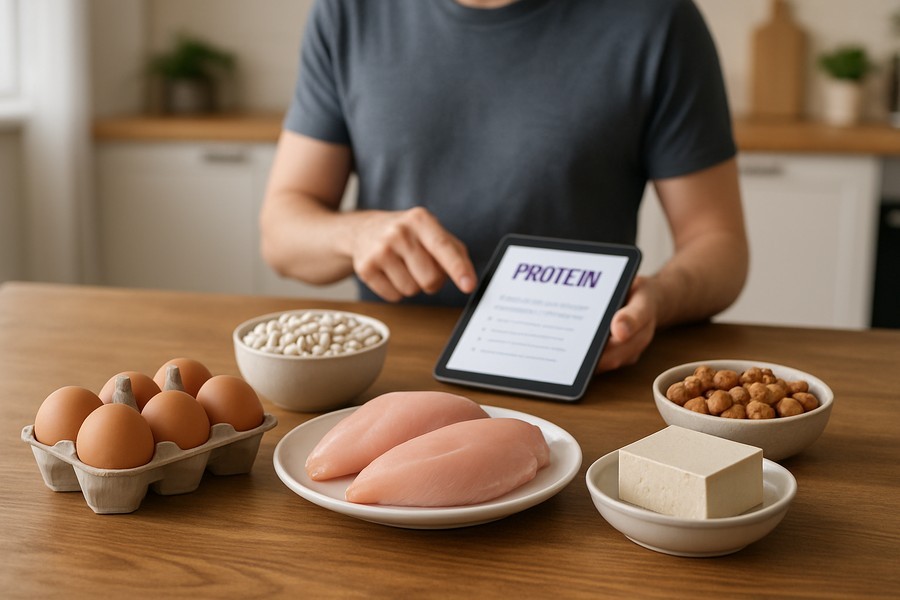
Unlocking the Secrets of Protein Intake
Protein has become a buzzword in the world of health and wellness, from its inclusion in caffeinated beverages to its promotion in snack foods. Even our health leaders are advocating for protein-rich foods over sugary desserts. But amid all this protein hype, it's difficult to determine how much protein is ideal for you.
Recent dietary guidelines have suggested increasing our daily protein intake. However, it's important to remember that protein needs are not universal. They can vary, depending on factors like physical activity, age, and weight. This guide will help you navigate the protein maze and tailor your protein intake to your personal needs.
The Importance of Protein in Our Diet
Protein plays a crucial role in our bodies. It aids in building and repairing muscles, creating enzymes for food digestion, and generating antibodies to boost our immune system.
As explained by a Stanford University scientist, our bodies are in a constant cycle of breaking down old proteins and creating new ones, using amino acids from our food. "Protein serves as the foundation of skeletal muscle," she states. "Amino acids, once broken down in your gastrointestinal tract, are absorbed and then reassembled into every tissue in your body."
Calculating Your Protein Intake Based on Your Weight
To figure out your optimal daily protein intake, start by calculating it based on your body weight. The updated recommendation suggests aiming for 1.2 to 1.6 grams of protein per kilogram of body weight each day.
Here's how to do the math: Convert your weight from pounds to kilograms (divide by 2.2), then multiply that number by 1.2 or 1.6. This will give you your recommended daily protein intake in grams. For instance, a person weighing 150 pounds would aim for between 82 and 109 grams of protein each day.
Here's a sample meal plan to meet these protein goals: A breakfast of 1 cup of Greek yogurt with nuts; a lunch with a cup of cooked lentils; a snack of almonds, hummus, and vegetables; and a dinner featuring a 4-ounce chicken breast.
Adjusting Protein Intake Based on Your Activity Level
If you engage in regular exercise, you might want to aim for the higher end of the protein range. Athletes and weightlifters have long been advised to consume more protein. As a muscle health researcher explains, "Physical activity is a key determinant of your protein needs."
Physical exercise stresses the body, increasing the amount of protein used by the muscles. Consuming more protein allows the body to absorb more and create additional muscle proteins. Physical activity also makes muscles more receptive to protein, enhancing their ability to use amino acids for growth and repair.
Considerations for Protein Intake Based on Age
From our 30s and 40s onwards, we start losing muscle mass. This may not become noticeable until we're in our 50s or 60s, when lifting heavy objects or carrying groceries becomes more challenging. To combat this, strength training and an adequate protein intake (within the 1.2 to 1.6 grams per kilogram of body weight range) are essential.
It's worth noting that while women often consume less protein and engage in less strength training than men, prioritizing both can help prevent age-related frailty. However, simply eating more protein won't build new muscle strength. It's the combination of protein intake and exercise that makes the difference.
Deciding on Your Protein Intake
With this information, you can calculate your ideal protein intake based on your weight, age, and activity level. Then, compare your current diet to your calculated intake to see if any adjustments are needed. You can find the protein content of various foods in databases or by using a macronutrient-tracking app.
Animal vs. Plant-Based Protein Sources
As for where you get your protein, both animal and plant sources can fulfill your body's needs. "Both plant-based and meat-inclusive diets can provide enough protein and all essential amino acids," says the scientist.
Out of the approximately 20 amino acids that act as protein building blocks in the body, nine are considered "essential" as our body cannot produce them. Animal products and some plant sources, like soybeans, are considered complete proteins as they supply all nine essential amino acids. Other plant foods may lack some essential amino acids, but this can be resolved by including a variety of vegetables, fruits, whole grains, beans, and legumes in your diet.
Is There Such a Thing as Too Much Protein?
While these recommendations are intended for the general public, those with specific health conditions, especially chronic kidney disease, may be advised to consume less protein. If you're thinking of significantly increasing your protein intake, consult with your healthcare provider. If you're getting your protein mostly from meat and dairy, remember to limit your saturated fat intake to less than 10% of your total daily calories.
Although protein powders can be a convenient option, most people can get enough protein from a balanced diet without needing supplements. Once you've determined your target protein range, focus on consuming a wide variety of real foods, in moderate portions, and include some resistance exercise in your routine.