
A post can take seconds to publish and years to outlast. For public figures, an old joke, a heated comparison, or a poorly handled apology can spread far beyond its original audience. The consequences vary: some lose a job or a business deal, while others remain successful but face a lasting change in how people see them. These ten cases show how online behavior has affected careers in different ways.
Roles and Opportunities Lost
Roseanne Barr’s comeback ended after she posted a racist comparison about Valerie Jarrett, an adviser to Barack Obama. The remark led to her dismissal from a television reboot built around her earlier sitcom. The program was canceled and later continued under a new title, with Barr’s character written out. She went on to make a stand-up special and appear in an animated series, but her later work has mostly been tied to right-leaning media. None matched the broad audience of her earlier success.
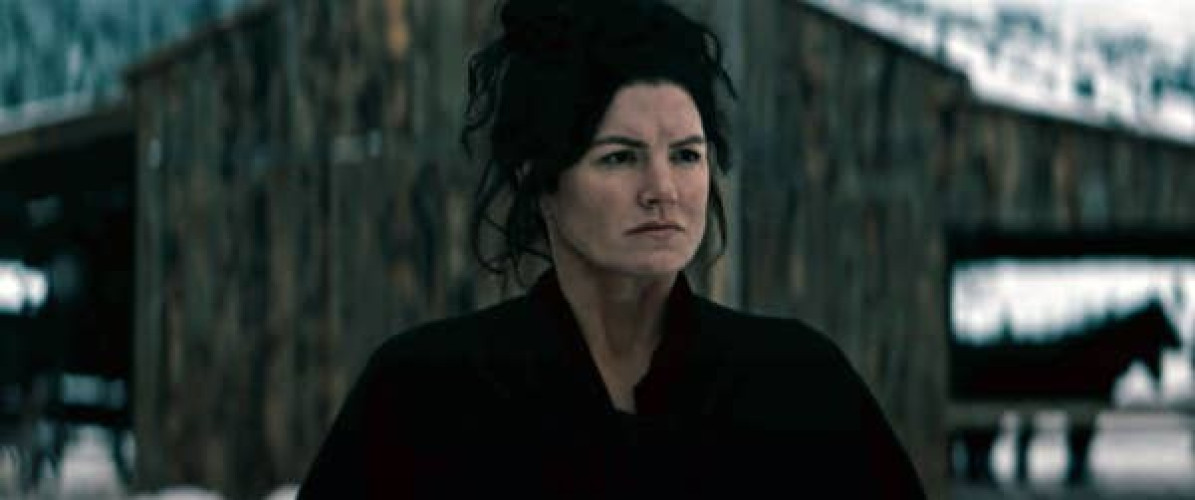
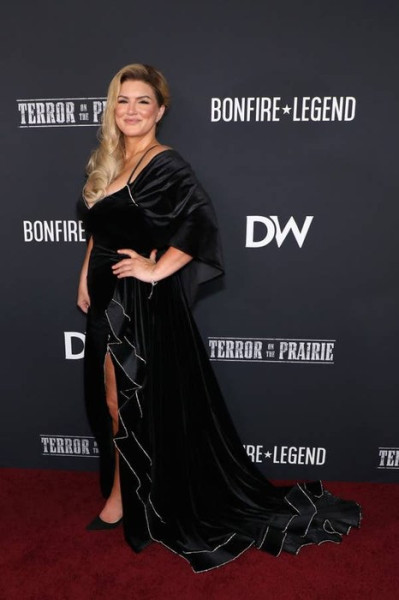
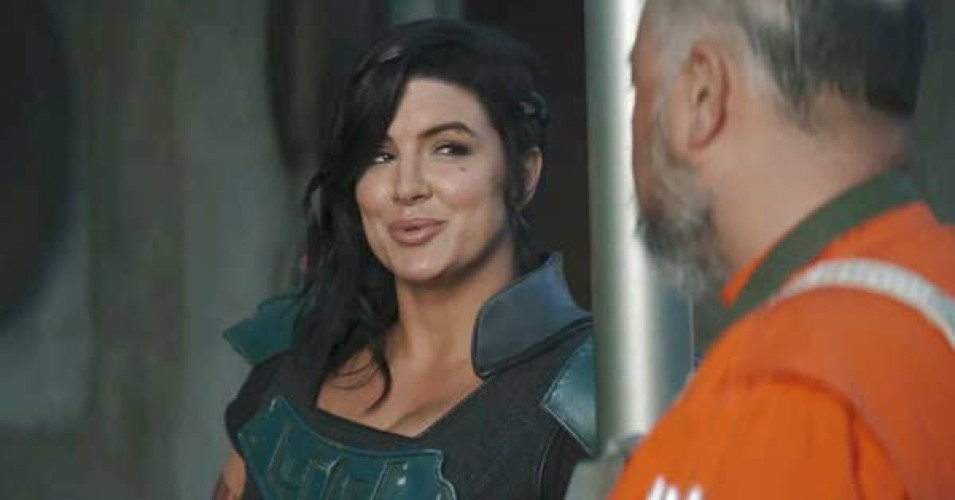
Gina Carano moved from professional wrestling into acting and gained a prominent role in a popular science-fiction series. Then she shared a post comparing the experience of being a Republican to the persecution of Jewish people during the Holocaust. The post renewed attention to other comments she had made about face masks and election fraud. The studio said her posts about cultural and religious identity were unacceptable, and she was removed from the series. Plans for a show centered on her character were dropped, and her talent agency also cut ties with her.
Carano later announced plans to make a film through a conservative media company, but she abandoned that project after refusing to follow the film industry’s masking rules. She left her performers’ union and made a Western in Montana instead. That movie was released online, but it drew little attention. Her career continued, though it did not develop into the major acting path that once seemed possible.
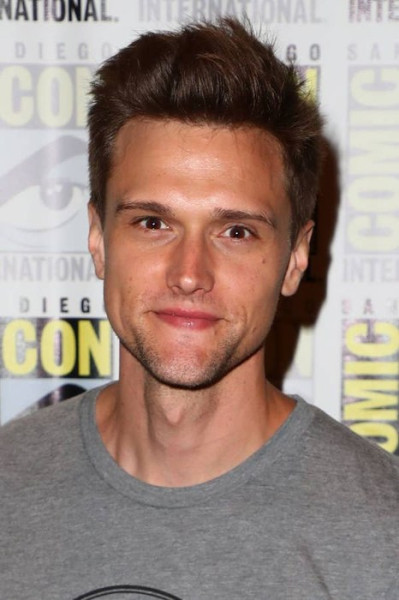
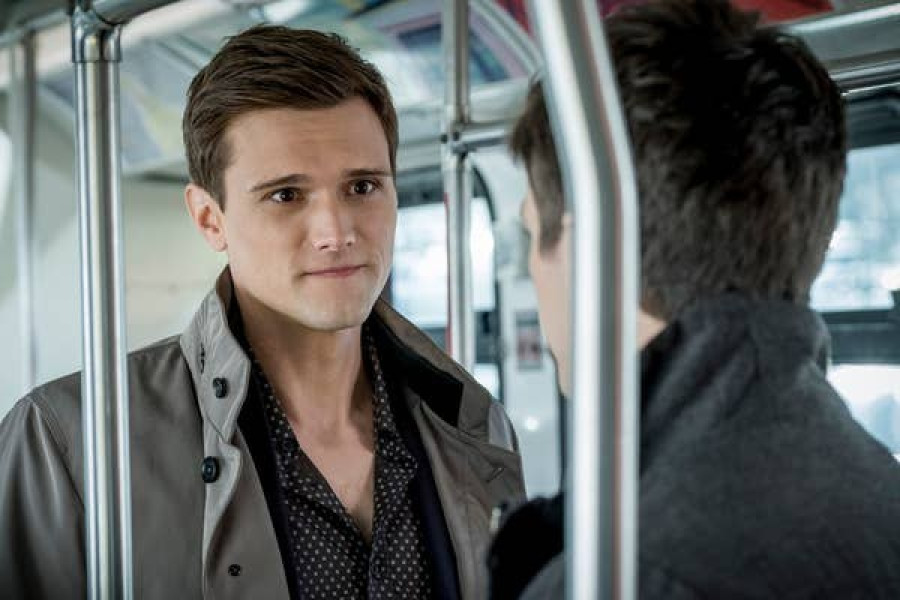
Hartley Sawyer’s career was growing after he moved from soap operas into dramatic television. That progress stopped when old posts resurfaced containing racist, misogynistic, and anti-gay language. Some included statements about assaulting women. Sawyer apologized, saying that even if he had meant the posts as jokes, they were harmful and unacceptable. He also said he regretted writing them and had not considered their impact at the time. He was dismissed from his series and has since largely stepped away from acting, with no new projects mentioned in the account.
Backlash, Lost Deals, and Lasting Reputations
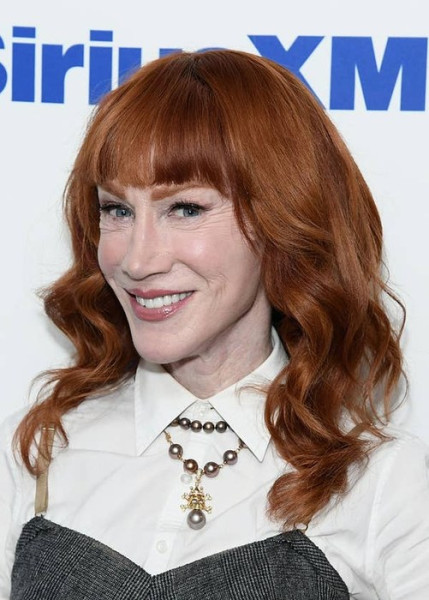
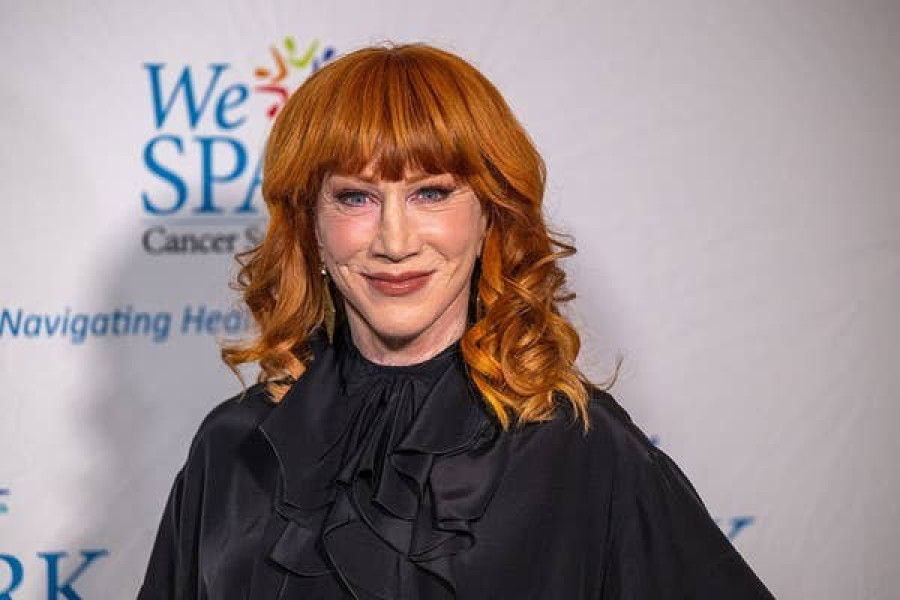
Kathy Griffin faced intense criticism after sharing an image of herself holding a prop resembling Donald Trump’s severed, bloodied head. She later apologized and said she had gone too far. The incident cost her a role in a televised New Year’s Eve special and ended a commercial partnership. She was also investigated by the Secret Service and placed on a no-fly list. Griffin said the entertainment industry turned against her and that she was shut out for years.
Griffin still managed to sell out a world tour that reached the United States about a year after the controversy. But the impact on her work was substantial. Major networks and streaming services declined to carry a concert film about the incident, so she paid for its release herself. She also produced another special independently. She said both projects lost money, while legal bills and missed opportunities cost her millions. She continues to perform, but has said she does not expect to return to television.
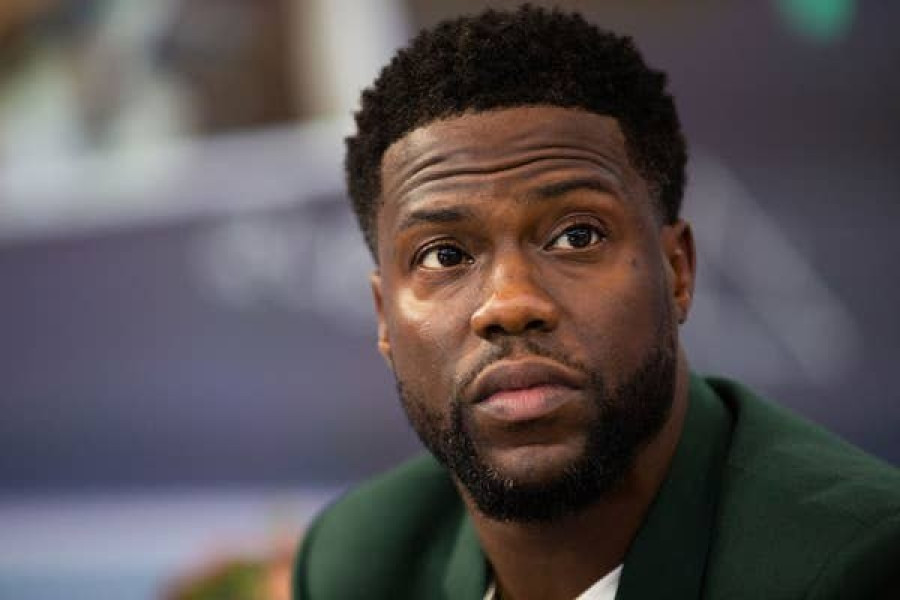
Kevin Hart lost a high-profile hosting job after old posts with anti-gay jokes resurfaced. One message said he would punish his young son for playing with a dollhouse by calling the behavior gay. Hart first told critics to stop being negative, but later apologized and stepped aside from the event. He said he had hurt people, was continuing to grow, and wanted to bring people together. The controversy did not end his film career, and he continued giving interviews and promoting movies. Still, he lost one of Hollywood’s most visible hosting roles, and the episode changed how some people viewed him.
Beauty creator Laura Lee faced a different kind of career hit when old posts containing slurs and a racist joke about Black people and police resurfaced. She lost about half a million subscribers over the next month. Retail and beauty companies also ended partnerships or removed her makeup products from stores, costing her at least tens of thousands of dollars.
Lee’s response made the criticism worse. In an apology video, she cried and linked her past comments to growing up in the Deep South. Viewers criticized the apology as insincere and said she was avoiding responsibility. She also described the posts as retweets, though she had written them herself. The video received far more dislikes than likes. Her audience later grew somewhat, but remained well below the size it had reached before the controversy.
When an Apology Adds to the Problem
Actors Ashton Kutcher and Mila Kunis drew criticism after writing letters asking a judge for leniency for their former co-star Danny Masterson. Masterson had been found guilty of sexual assault and sentenced to a long prison term. The couple said Masterson’s family had asked them to write. They explained that their letters were meant for the judge and were not intended to dismiss victims’ testimony or cause further trauma. In a video apology, they said they supported people affected by sexual abuse.
The response did not settle the matter. Many viewers felt it failed to address the harm caused by supporting Masterson and showed too little concern for the victims. Kutcher and Kunis kept working, but the episode left a mark on their public image. For some audiences, their names became closely linked to the controversy.
Colleen Ballinger became famous through a comic character known for off-key singing and exaggerated lipstick. Her success led to television projects and lasted for more than a decade. Then allegations arose that she had put underage fans in exploitative situations and communicated with them in inappropriate ways. As companies began pulling advertisements from her projects, Ballinger posted an unusual response: an apology delivered as a ukulele song.
Ballinger said her team had advised her not to make the statement, but that no one had told her she could not sing it. In the song, she denied being a groomer while saying she had overshared and made jokes in poor taste. She also argued that her content was labeled for older children and that parents had a role in deciding what their children watched. The musical format was widely mocked, and the video became a defining moment in the backlash. Her career was severely damaged.
A Viral Video and a Different Outcome
Social media personality Sienna Mae Gomez was accused of groping fellow creator Jack Wright. The allegations began circulating through cryptic posts and claims shared by people close to him. A video later appeared to show a woman kissing Wright while he seemed unresponsive, with a hand near his crotch. Gomez denied the accusations and said the clip was edited. She said Wright was awake, kissed her back, and had been comfortable with their interactions; she also disputed where her hand was placed.
Gomez lost hundreds of thousands of followers and took a short break from social media. When she returned, she posted a video that did not directly address the allegations or apologize. Instead, close-up shots showed her in underwear as she spoke about inspiring people and promoting self-love, followed by an interpretive dance. Viewers mocked the clip, which became known as a dance apology despite not actually offering one.
Wright later posted a video accusing Gomez of sexual assault. She continued to deny that she had touched him inappropriately, said he had taken events out of context, and apologized for making him uncomfortable, while saying she had not done so knowingly. Gomez’s career did not end: she retained a large following and runs a swimwear business. Even so, the dance video remains a frequent subject of online criticism.
These cases do not all end the same way. Some people lost jobs, partnerships, or major opportunities; others continued working while carrying a lasting public controversy. Across the examples, the effects depended not only on the original post but also on its reach, the response from employers and audiences, and how the person handled the fallout. A single online moment may not erase a career, but it can sharply redirect one.
Roles and Opportunities Lost
Roseanne Barr’s comeback ended after she posted a racist comparison about Valerie Jarrett, an adviser to Barack Obama. The remark led to her dismissal from a television reboot built around her earlier sitcom. The program was canceled and later continued under a new title, with Barr’s character written out. She went on to make a stand-up special and appear in an animated series, but her later work has mostly been tied to right-leaning media. None matched the broad audience of her earlier success.
Gina Carano moved from professional wrestling into acting and gained a prominent role in a popular science-fiction series. Then she shared a post comparing the experience of being a Republican to the persecution of Jewish people during the Holocaust. The post renewed attention to other comments she had made about face masks and election fraud. The studio said her posts about cultural and religious identity were unacceptable, and she was removed from the series. Plans for a show centered on her character were dropped, and her talent agency also cut ties with her.
Carano later announced plans to make a film through a conservative media company, but she abandoned that project after refusing to follow the film industry’s masking rules. She left her performers’ union and made a Western in Montana instead. That movie was released online, but it drew little attention. Her career continued, though it did not develop into the major acting path that once seemed possible.
Hartley Sawyer’s career was growing after he moved from soap operas into dramatic television. That progress stopped when old posts resurfaced containing racist, misogynistic, and anti-gay language. Some included statements about assaulting women. Sawyer apologized, saying that even if he had meant the posts as jokes, they were harmful and unacceptable. He also said he regretted writing them and had not considered their impact at the time. He was dismissed from his series and has since largely stepped away from acting, with no new projects mentioned in the account.
Backlash, Lost Deals, and Lasting Reputations
Kathy Griffin faced intense criticism after sharing an image of herself holding a prop resembling Donald Trump’s severed, bloodied head. She later apologized and said she had gone too far. The incident cost her a role in a televised New Year’s Eve special and ended a commercial partnership. She was also investigated by the Secret Service and placed on a no-fly list. Griffin said the entertainment industry turned against her and that she was shut out for years.
Griffin still managed to sell out a world tour that reached the United States about a year after the controversy. But the impact on her work was substantial. Major networks and streaming services declined to carry a concert film about the incident, so she paid for its release herself. She also produced another special independently. She said both projects lost money, while legal bills and missed opportunities cost her millions. She continues to perform, but has said she does not expect to return to television.
Kevin Hart lost a high-profile hosting job after old posts with anti-gay jokes resurfaced. One message said he would punish his young son for playing with a dollhouse by calling the behavior gay. Hart first told critics to stop being negative, but later apologized and stepped aside from the event. He said he had hurt people, was continuing to grow, and wanted to bring people together. The controversy did not end his film career, and he continued giving interviews and promoting movies. Still, he lost one of Hollywood’s most visible hosting roles, and the episode changed how some people viewed him.
Beauty creator Laura Lee faced a different kind of career hit when old posts containing slurs and a racist joke about Black people and police resurfaced. She lost about half a million subscribers over the next month. Retail and beauty companies also ended partnerships or removed her makeup products from stores, costing her at least tens of thousands of dollars.
Lee’s response made the criticism worse. In an apology video, she cried and linked her past comments to growing up in the Deep South. Viewers criticized the apology as insincere and said she was avoiding responsibility. She also described the posts as retweets, though she had written them herself. The video received far more dislikes than likes. Her audience later grew somewhat, but remained well below the size it had reached before the controversy.
When an Apology Adds to the Problem
Actors Ashton Kutcher and Mila Kunis drew criticism after writing letters asking a judge for leniency for their former co-star Danny Masterson. Masterson had been found guilty of sexual assault and sentenced to a long prison term. The couple said Masterson’s family had asked them to write. They explained that their letters were meant for the judge and were not intended to dismiss victims’ testimony or cause further trauma. In a video apology, they said they supported people affected by sexual abuse.
The response did not settle the matter. Many viewers felt it failed to address the harm caused by supporting Masterson and showed too little concern for the victims. Kutcher and Kunis kept working, but the episode left a mark on their public image. For some audiences, their names became closely linked to the controversy.
Colleen Ballinger became famous through a comic character known for off-key singing and exaggerated lipstick. Her success led to television projects and lasted for more than a decade. Then allegations arose that she had put underage fans in exploitative situations and communicated with them in inappropriate ways. As companies began pulling advertisements from her projects, Ballinger posted an unusual response: an apology delivered as a ukulele song.
Ballinger said her team had advised her not to make the statement, but that no one had told her she could not sing it. In the song, she denied being a groomer while saying she had overshared and made jokes in poor taste. She also argued that her content was labeled for older children and that parents had a role in deciding what their children watched. The musical format was widely mocked, and the video became a defining moment in the backlash. Her career was severely damaged.
A Viral Video and a Different Outcome
Social media personality Sienna Mae Gomez was accused of groping fellow creator Jack Wright. The allegations began circulating through cryptic posts and claims shared by people close to him. A video later appeared to show a woman kissing Wright while he seemed unresponsive, with a hand near his crotch. Gomez denied the accusations and said the clip was edited. She said Wright was awake, kissed her back, and had been comfortable with their interactions; she also disputed where her hand was placed.
Gomez lost hundreds of thousands of followers and took a short break from social media. When she returned, she posted a video that did not directly address the allegations or apologize. Instead, close-up shots showed her in underwear as she spoke about inspiring people and promoting self-love, followed by an interpretive dance. Viewers mocked the clip, which became known as a dance apology despite not actually offering one.
Wright later posted a video accusing Gomez of sexual assault. She continued to deny that she had touched him inappropriately, said he had taken events out of context, and apologized for making him uncomfortable, while saying she had not done so knowingly. Gomez’s career did not end: she retained a large following and runs a swimwear business. Even so, the dance video remains a frequent subject of online criticism.
These cases do not all end the same way. Some people lost jobs, partnerships, or major opportunities; others continued working while carrying a lasting public controversy. Across the examples, the effects depended not only on the original post but also on its reach, the response from employers and audiences, and how the person handled the fallout. A single online moment may not erase a career, but it can sharply redirect one.