
Summer Sky Wonders: How to See the Full Moon, Meteor Showers, and an Eclipse
Mid-summer brings some of the most exciting sights to the night sky. Over the next few days, skywatchers can enjoy a bright full moon and several active meteor showers at the same time. Early risers will also get a chance to spot a tiny planet. Here is a guide on what to look for and how to get the best view of these upcoming celestial events.
The Golden Giant of the Night Sky
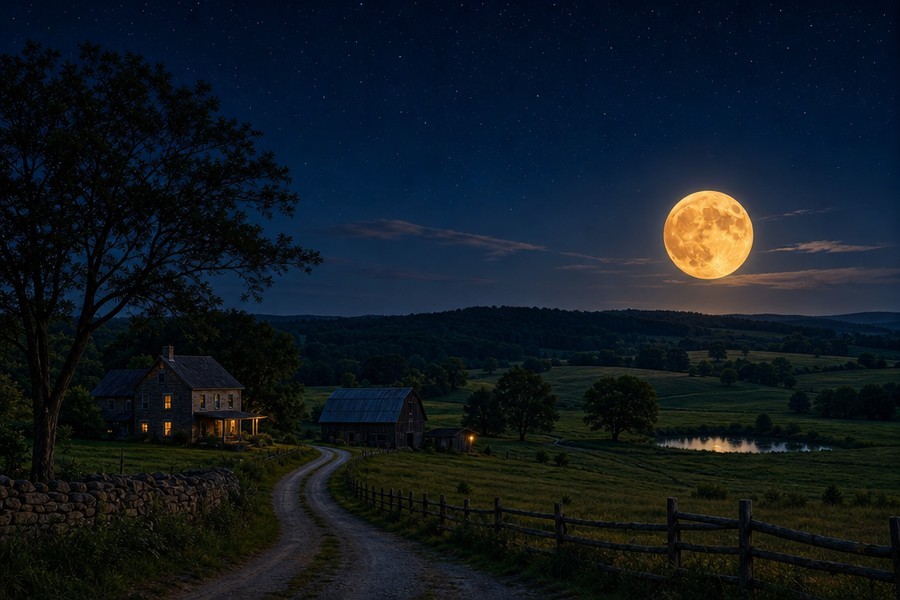
A spectacular sight is heading our way in the middle of the week. If you have a clear view toward the southeast horizon, you can watch a giant, deep orange moon rise into the sky. This particular full moon is known as the Buck Moon. It gets its name because this is the time of year when male deer, or bucks, begin to grow new antlers.
Watching this moon rise is a wonderful experience. When the moon is close to the horizon, it often looks much larger than usual and glows with a warm, golden-orange color. This happens because we are looking at it through a thicker layer of Earth's atmosphere, which scatters the blue light and lets the red and orange colors pass through. To get the best view, find a spot with a clear view of the southeastern sky, free from tall buildings or trees that might block your view of the horizon.
Catching Shooting Stars in the Moonlight
The bright light from the full moon can make it harder to see shooting stars, but you can still catch some bright meteors if you know where to look. Right now, multiple meteor showers are active at the same time, making this a great season for stargazing. Meteor showers happen when our planet travels through trails of dust and tiny rocks left behind by comets. As these tiny pieces of space debris hit our atmosphere at high speeds, they burn up and create bright streaks of light across the night sky.
One of the main events is the Delta Aquariid meteor shower, which reaches its peak this week. These meteors are created when Earth passes through a cloud of dust left behind by a comet named 96P/Machholz. While many of these meteors can be faint, another nearby shower called the Alpha Capricornids is also active. This shower only produces about five meteors per hour, but they are known for creating incredibly bright fireballs that cut across the sky. The famous Perseid meteor shower is also beginning to light up the sky, which will eventually produce about fifty shooting stars per hour under dark skies.
To view these meteors despite the bright moonlight, try these simple tips:
- Face away from the moon so its bright light does not hurt your night vision.
- Position yourself behind a large tree or a building to block the moon from your direct line of sight.
- Give your eyes about twenty to thirty minutes to adjust to the dark without looking at your phone.
A Spectacular Sun Disappearance
The rise of the full moon also starts a countdown to one of the biggest space events of the year. Exactly two weeks after the full moon, a new moon will line up directly with the sun, causing a total solar eclipse. During this event, the moon will completely block the sun's bright face, revealing the outer atmosphere of the sun, called the corona.
This total eclipse will only be visible along a specific path. The dark shadow of the moon will travel across eastern Greenland, western Iceland, and northern Spain. People in these areas will experience darkness during the day for up to two minutes and eighteen seconds, as long as the skies are clear. For people living in North America and Western Europe, a partial solar eclipse will be visible instead. Because the sun will not be completely covered in these areas, it is absolutely necessary to wear certified solar eclipse glasses to protect your eyes while watching.
The Red Moon to Come
The sky show does not end there. Exactly two weeks after the solar eclipse, the next full moon will rise. This one is called the Sturgeon Moon. During this night, a very special event will take place as the moon passes through the darkest part of the Earth's shadow, known as the umbra.
About ninety-six percent of the moon's surface will slide into this shadow. This deep partial lunar eclipse will cause the bright white surface of the moon to change color, turning a deep, reddish shade overnight. Unlike a solar eclipse, you do not need any special glasses to view a lunar eclipse safely.
Spotting a Tiny Neighbor
If you prefer to wake up early rather than stay up late, there is another treat waiting for you. People who wake up before dawn will have a great opportunity to spot the planet Mercury. Because it is the closest planet to the sun, Mercury is usually lost in the sun's bright glare, but early risers will have a brief window to see it shining low in the sky before the sun comes up.