Ariana Grande’s speaking voice has had more eras than some television shows. Now, an old clip is back online, and people are realizing that one particular version of Ariana was much stronger, stranger, and harder to forget than they remembered.
Over the past decade or so, Ariana has repeatedly gone viral for speaking in noticeably different pitches and tones. Sometimes the change has sounded subtle. Sometimes it has sounded like she switched vocal settings between interviews. And every time an old clip resurfaces, the internet dusts off the same question: Is this just Ariana changing how she uses her voice, or is there more going on?
Ariana has explained some of the changes
In 2013, Ariana addressed one noticeable shift in her speaking voice. She said, “I’ve been speaking in a slightly higher placement than I usually speak in because I’ve been doing a lot of interviews, and I’m trying to keep my voice healthy.”
That explanation was about vocal placement and the demands of constant interviews. It wasn’t the same situation people are discussing now, but it became part of the long-running public conversation about Ariana’s voice. Once viewers start comparing clips from different years, every new interview becomes evidence in the unofficial Ariana Grande Vocal Timeline.
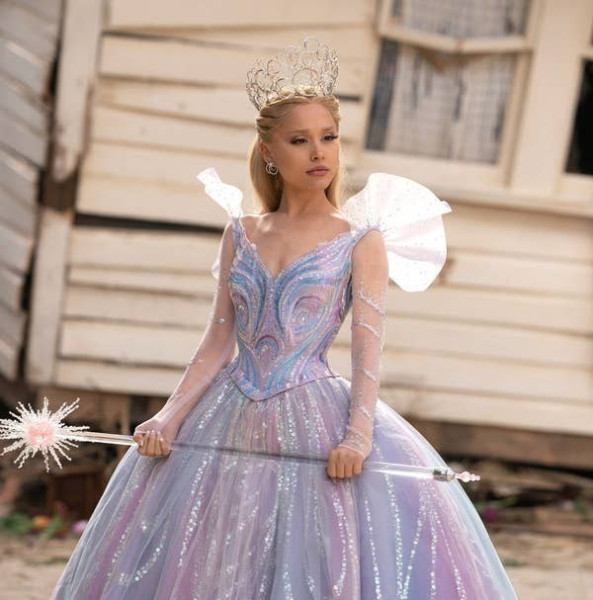
Then came a different explanation years later. In 2024, Ariana spoke about preparing to play Glinda in Wicked and described how intensely she wanted the role. She said she took lessons every day while working on The Voice, trained for the auditions, and worked to transform her voice.
She also said she had to “deconstruct” everything about herself, including her singing voice, to prove she could handle becoming this other person. That helps explain the softer-spoken tone many people now associate with her. It also gives the internet another chapter to compare with every older clip that comes crawling back into the timeline.
The 2016 clip is a very different conversation
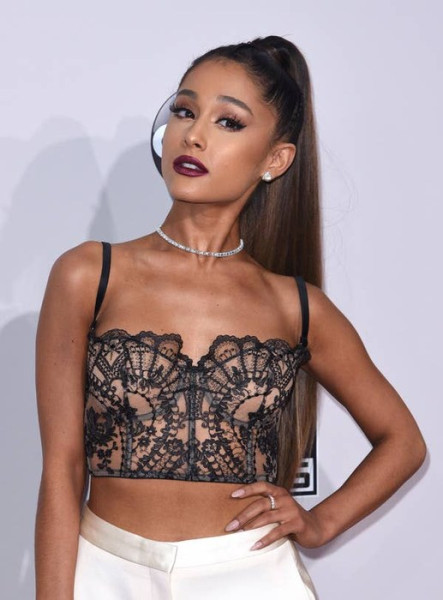
The footage now going viral again comes from a behind-the-scenes look at Ariana’s Sweet Like Candy fragrance commercial. The clip first aired in 2016, and it shows Ariana speaking in the style that viewers have labeled a “blaccent,” meaning a way of speaking associated with African American Vernacular English, or AAVE.
The clip was apparently not new to the internet, but plenty of people were encountering it as if it had just been unearthed from a deeply embarrassing digital time capsule. One person posted the footage on X with the blunt assessment: “that blaccent was THICK.”
It is difficult to imagine a more efficient review. No long thread, no careful breakdown, no elaborate media analysis. Just three words, one capitalized adjective, and an entire comment section ready to reopen the case.
Several viewers said the clip was uncomfortable to revisit. “This is so embarrassing to look back on omg,” one person wrote. Another said, “i just know this haunts her.” Someone else was even more direct, saying Ariana “had no business talking like this.”
The reactions were not limited to people laughing at an old celebrity clip. For some viewers, the issue was not simply that Ariana sounded different. They saw the way she spoke as part of a broader public image that borrowed from Black culture.
People are arguing about the image behind the voice
One viral post with more than 25,000 likes called the footage “disgusting.” Another person argued that Ariana had used Black culture as an aesthetic and then discarded it when she wanted to be taken seriously as an actress.
That commenter compared “2026 Ariana” with “2019 Ariana,” writing that they were “2 completely different people.” It is a sweeping conclusion, but it captures what has made these old clips so sticky online: viewers are not only comparing voices. They are comparing public personas, appearances, career eras, and the versions of Ariana they believe she presents to the world.
Those interpretations belong to the commenters. Ariana’s own explanations for other changes in her voice have focused on practical vocal demands and, later, the training required for Glinda. The 2016 clip is what has prompted this particular criticism, but it is being watched through the lens of everything that came afterward.
That is why an old behind-the-scenes fragrance video can suddenly feel like breaking news. The footage has not changed. The audience has. People are hearing the clip alongside Ariana’s later comments about transforming her voice for a role, her more recent softer tone, and years of online debate about how she speaks.
The result is a familiar internet collision: one old video, several different explanations, and a comment section determined to treat vocal changes like a forensic investigation. Some viewers hear a celebrity experimenting with presentation. Others hear a performance that crossed a line. And some are simply stunned that the clip sounds as intense as it does.
Either way, the resurfaced footage has reopened a debate about Ariana’s past “blaccent,” the way celebrity personas are built, and how quickly the internet can turn an old clip into a fresh controversy. The commercial may be from 2016, but apparently the secondhand embarrassment has an unlimited shelf life.
What do you think: was Ariana’s changing voice part of personal reinvention, a deliberate performance, or something people are right to call out?


Over the past decade or so, Ariana has repeatedly gone viral for speaking in noticeably different pitches and tones. Sometimes the change has sounded subtle. Sometimes it has sounded like she switched vocal settings between interviews. And every time an old clip resurfaces, the internet dusts off the same question: Is this just Ariana changing how she uses her voice, or is there more going on?
Ariana has explained some of the changes
In 2013, Ariana addressed one noticeable shift in her speaking voice. She said, “I’ve been speaking in a slightly higher placement than I usually speak in because I’ve been doing a lot of interviews, and I’m trying to keep my voice healthy.”
That explanation was about vocal placement and the demands of constant interviews. It wasn’t the same situation people are discussing now, but it became part of the long-running public conversation about Ariana’s voice. Once viewers start comparing clips from different years, every new interview becomes evidence in the unofficial Ariana Grande Vocal Timeline.
Then came a different explanation years later. In 2024, Ariana spoke about preparing to play Glinda in Wicked and described how intensely she wanted the role. She said she took lessons every day while working on The Voice, trained for the auditions, and worked to transform her voice.
She also said she had to “deconstruct” everything about herself, including her singing voice, to prove she could handle becoming this other person. That helps explain the softer-spoken tone many people now associate with her. It also gives the internet another chapter to compare with every older clip that comes crawling back into the timeline.
The 2016 clip is a very different conversation
The footage now going viral again comes from a behind-the-scenes look at Ariana’s Sweet Like Candy fragrance commercial. The clip first aired in 2016, and it shows Ariana speaking in the style that viewers have labeled a “blaccent,” meaning a way of speaking associated with African American Vernacular English, or AAVE.
The clip was apparently not new to the internet, but plenty of people were encountering it as if it had just been unearthed from a deeply embarrassing digital time capsule. One person posted the footage on X with the blunt assessment: “that blaccent was THICK.”
It is difficult to imagine a more efficient review. No long thread, no careful breakdown, no elaborate media analysis. Just three words, one capitalized adjective, and an entire comment section ready to reopen the case.
Several viewers said the clip was uncomfortable to revisit. “This is so embarrassing to look back on omg,” one person wrote. Another said, “i just know this haunts her.” Someone else was even more direct, saying Ariana “had no business talking like this.”
The reactions were not limited to people laughing at an old celebrity clip. For some viewers, the issue was not simply that Ariana sounded different. They saw the way she spoke as part of a broader public image that borrowed from Black culture.
People are arguing about the image behind the voice
One viral post with more than 25,000 likes called the footage “disgusting.” Another person argued that Ariana had used Black culture as an aesthetic and then discarded it when she wanted to be taken seriously as an actress.
That commenter compared “2026 Ariana” with “2019 Ariana,” writing that they were “2 completely different people.” It is a sweeping conclusion, but it captures what has made these old clips so sticky online: viewers are not only comparing voices. They are comparing public personas, appearances, career eras, and the versions of Ariana they believe she presents to the world.
Those interpretations belong to the commenters. Ariana’s own explanations for other changes in her voice have focused on practical vocal demands and, later, the training required for Glinda. The 2016 clip is what has prompted this particular criticism, but it is being watched through the lens of everything that came afterward.
That is why an old behind-the-scenes fragrance video can suddenly feel like breaking news. The footage has not changed. The audience has. People are hearing the clip alongside Ariana’s later comments about transforming her voice for a role, her more recent softer tone, and years of online debate about how she speaks.
The result is a familiar internet collision: one old video, several different explanations, and a comment section determined to treat vocal changes like a forensic investigation. Some viewers hear a celebrity experimenting with presentation. Others hear a performance that crossed a line. And some are simply stunned that the clip sounds as intense as it does.
Either way, the resurfaced footage has reopened a debate about Ariana’s past “blaccent,” the way celebrity personas are built, and how quickly the internet can turn an old clip into a fresh controversy. The commercial may be from 2016, but apparently the secondhand embarrassment has an unlimited shelf life.
What do you think: was Ariana’s changing voice part of personal reinvention, a deliberate performance, or something people are right to call out?