
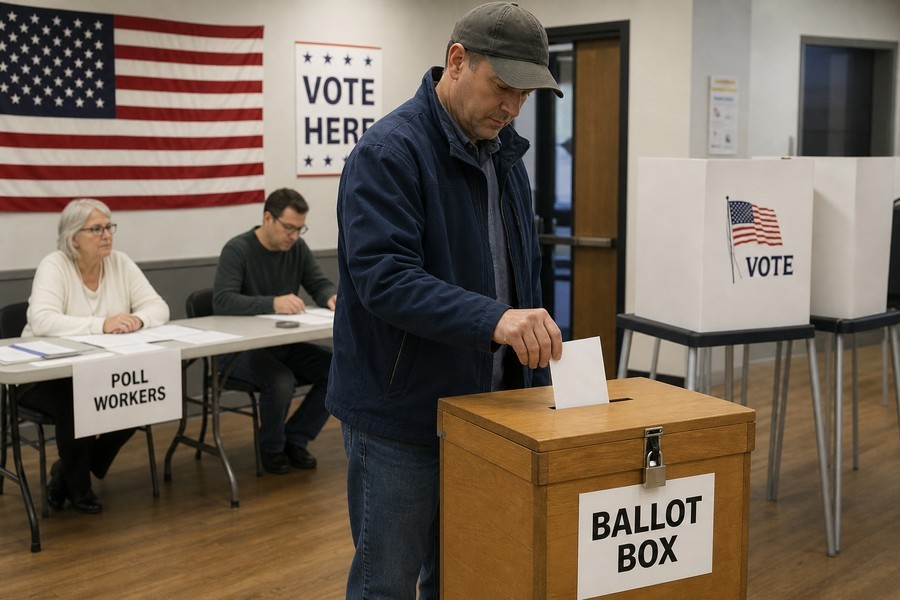
Icelandic Voters Cast Ballots in Major Decision Over European Union Future
People in Iceland are heading to voting booths to make a major choice about their nation's future. They are deciding whether to restart talks about joining a large group of European countries, or to put those plans away for a long time. The decision could change how the small island nation interacts with its neighbors for years to come.
Voting places are open from morning until late at night, giving citizens plenty of time to cast their ballots. The main question they face is whether to start talking with the European group again, or to stop exploring what a membership deal might look like.
Understanding the Choice on the Ballot
The vote taking place is an important step, but it does not mean the country will join the European group immediately. Here is how the process works:
- A "Yes" vote means the country will start holding discussions again. If those talks lead to a final agreement, citizens will get to vote one more time to make the final decision.
- A "No" vote means the country will stop looking into membership and keep its current relationship with the European group as it is.
This system ensures that the public has the final say at every major step of the process.
A Look Back at the Nation's Path
This is not the first time the island nation has considered this path. The country first applied to join the European group more than a decade ago, following a major financial crisis that hurt its economy. At the time, many felt that joining a larger group of nations would bring more stability.
However, the political mood changed a few years later. A new government came to power that did not favor joining the European group. This new leadership paused the discussions and, a couple of years after that, officially cancelled the country's application.
The issue remained quiet until recently, when a group of political parties that support joining won a national election. They promised voters they would hold this public vote to let the people decide whether to try again.
Why This Decision Matters to Europe
Although the island nation has a small population of just under 400,000 people, the results of this vote are being watched very closely by other countries. If the nation eventually joins, it would become the smallest member of the European group by population, a title currently held by a small Mediterranean island nation.
The vote is also important for the future of the European group itself. About ten years ago, a major island nation decided to leave the group in a move known as Brexit. If this new vote succeeds, it could show that the group is gaining momentum again and still appeals to wealthy northern nations. Nearby countries that are not in the group are watching the outcome of this vote with great interest.
High Voter Interest and Close Polls
Voter interest in this decision has been very high. Many people decided not to wait for the main voting day to cast their ballots:
- More than 40,000 citizens voted early, which is nearly 15% of all eligible voters.
- This high number of early voters is unusual, even though the voting window was open for several weeks before the main election day.
- In the capital city, morning turnout was much stronger than during the country's last major political elections. By mid-morning, over 8% of voters in the capital had already cast their ballots, compared to just 5% at the same time in the previous election.
The final outcome remains highly uncertain. Public opinion polls have become extremely close in the days leading up to the vote. The most recent survey showed that 50.4% of people planned to vote "Yes," while 49.6% planned to vote "No." With the numbers so close, the final result could go either way.
What Happens Next?
The vote is designed to be advisory, meaning the government is not legally forced to follow the result. However, a clear victory for the "Yes" side would put a large amount of political pressure on leaders in the capital to move forward with new talks.
Volunteers and officials will begin counting the ballots as soon as the voting locations close, and the first official results are expected to be shared in the early hours of the next morning.