
Understanding the Impact of the Major Trade Agreement between India and Europe
The significant trade agreement between India and Europe, often referred to as the 'mother of all deals', has been finally announced. This agreement, which took nearly two decades to finalize, is expected to impact approximately 2 billion people and about a quarter of global GDP.
Details of the Agreement
Europe and India are being seen as two giants who have chosen to collaborate in a partnership that is beneficial to both. As per the agreement, 96.6% of European goods exported to India will see either reduced or eliminated tariffs, resulting in an estimated annual savings of around €4 billion in customs duties on European products.
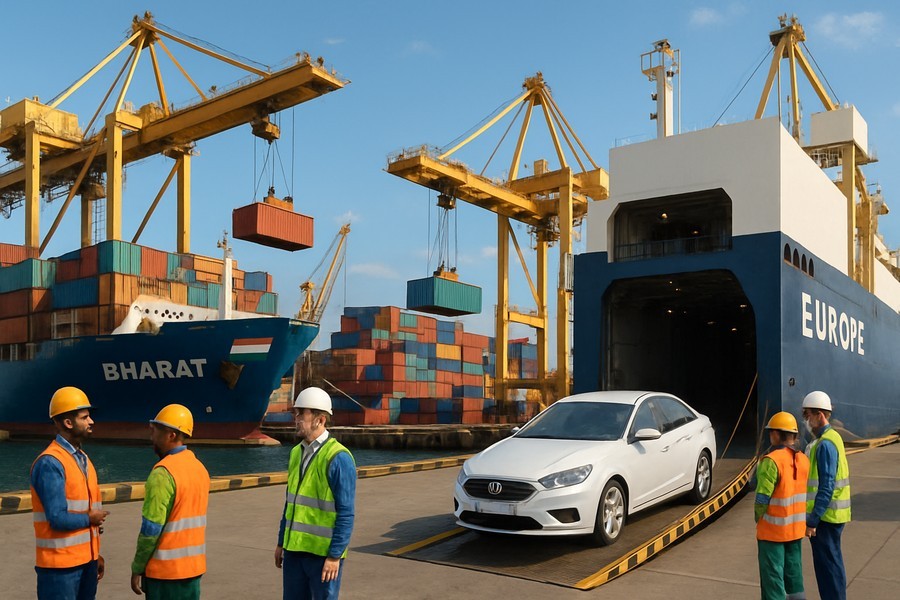
The automotive industry stands to gain the most from this deal. Tariffs on European cars will be gradually reduced from a hefty 110% to a mere 10%. However, to safeguard India's domestic manufacturers, higher tariffs will be imposed on European cars priced below €15,000.
- Machinery, which previously faced tariffs up to 44%, will now see almost complete elimination of tariffs.
- Chemicals and pharmaceuticals will also see reduced tariffs, down from 22% and 11% respectively.
- The wine industry will see tariffs reduced from 150% to 20-30% for medium and premium varieties.
As part of the deal, the EU will also lower tariffs on 99.5% of goods imported from India. Certain sectors where India has a competitive advantage, such as marine products, textiles, and gems, will benefit from tariff elimination.
Limitations of the Agreement
Despite being a major step forward, the deal has certain limitations. It does not include comprehensive provisions on labor rights, environmental standards or climate commitments. Furthermore, sensitive sectors in Europe, such as beef, chicken, dairy, rice, and sugar will continue to have tariffs to protect Europe's farmers from competition.
Why this Agreement Now?
The agreement comes at a time when there is a growing need to diversify from traditional trading partners due to economic uncertainty. Also, the deal offers an alternative market for both sides, who are currently facing significant tariffs from the US. It also helps the EU and India avoid becoming dumping grounds for products that would normally go to the American market.
Implications for Other Countries
This deal is significant for other countries too. For instance, Australia, which already has a trade agreement with India, might see this EU-India deal as a push to finalize their more comprehensive Comprehensive Economic Cooperation Agreement. This new agreement suggests India is open to serious discussions on tariff liberalization, which could influence future negotiations with other countries.
Message to the US
The EU-India trade deal not only signifies a commercial breakthrough but also sends a strategic signal to the US. The message is clear - even close allies will actively seek alternative economic partners when faced with the threat of economic coercion or politicized trade pressure.
This trend is a significant indicator of the changing dynamics of the global trading system. Countries are adapting not by becoming protectionist, but by deepening partnerships with each other. So, the world's democracies are signaling their desire to trade, invest, and cooperate on rules-based terms.