
Global Leaders Seek New Trade Routes Amid Ongoing Middle East Conflict
The leader of Iran recently shared his belief that his nation has succeeded in its standoff with the United States. He stated that the rest of the world now recognizes this outcome as a win for his country. From Iran's perspective, keeping control over a vital shipping path and refusing to give in to pressure from Western nations counts as a major victory.
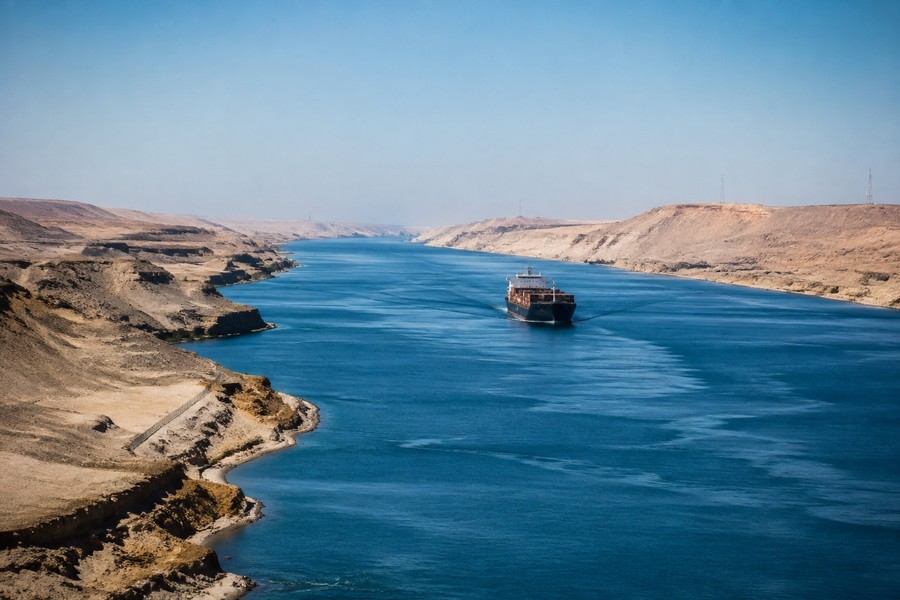
This statement comes at a time when the shipping lane known as the Strait of Hormuz has been shut down. The closure began nearly half a year ago when a conflict broke out involving Iran, the United States, and Israel. This waterway is incredibly important because a large portion of the world's oil and natural gas supplies must travel through it to reach global markets.
In response to the closure, the United States administration has been planning a massive economic campaign. This effort is described as a highly intense financial strategy designed to place extreme pressure on Iran. The goal of these heavy economic measures is to force Iran's leaders to stop their nuclear program and to fully reopen the shipping lane to international tankers.
A Disagreement Over Disputed Territory
While these economic tensions grow, a diplomatic disagreement has also surfaced. A high-ranking United States diplomat serving as an ambassador and special envoy made comments that seem to go against his own government's official stance regarding a piece of land known as the Golan Heights.
In an interview with an entrepreneur, the diplomat remarked that Israel is still occupying this territory in a way that goes against international agreements made by the United Nations. This land has a long and complicated history:
- Israel took control of the area from Syria during a war decades ago.
- Israel later claimed the land as its own territory.
- The United Nations has long viewed the land as occupied Syrian territory and does not recognize Israel's claim to it.
For a long time, the United States agreed with the international community. However, a few years ago, the United States changed its policy and officially recognized Israel's control over the area. Recently, Colombia became the second nation to join the United States in recognizing this claim. Because the diplomat's comments went against this official policy, he faced strong criticism from political activists who argued he should step down from his position.
Planning New Routes for Global Trade
With the primary shipping route closed, other world leaders are working together to find alternative ways to move goods and energy supplies. The president of France and the crown prince of Saudi Arabia are preparing to meet to discuss how to handle the blocked waterway.
During a two-day visit to Paris, the two leaders plan to look at several options to keep trade moving without using the closed shipping lane. Some of the ideas they are considering include:
- Using different ports located in Oman, which are safely outside the blocked gulf area.
- Expanding energy pipelines across Saudi Arabia and neighboring countries to carry oil and gas over land.
- Building new railway systems to connect different regions for easier transport.
To make these ideas a reality, France and Saudi Arabia have created a special team focused on energy and transport links between the Middle East and Europe. This group of officials is scheduled to meet soon to discuss which projects are most important, how to pay for them, and how European businesses can help build them. This trip marks the Saudi leader's first travel outside his country since he visited Washington late last year.