
U.S. Iran Conflict Costs Reach at Least $47 Billion
Most of the Cost Comes From Replacing Weapons
The U.S. military has spent at least $47.1 billion on its war with Iran, based on a current estimate from U.S. Central Command that was given to lawmakers.
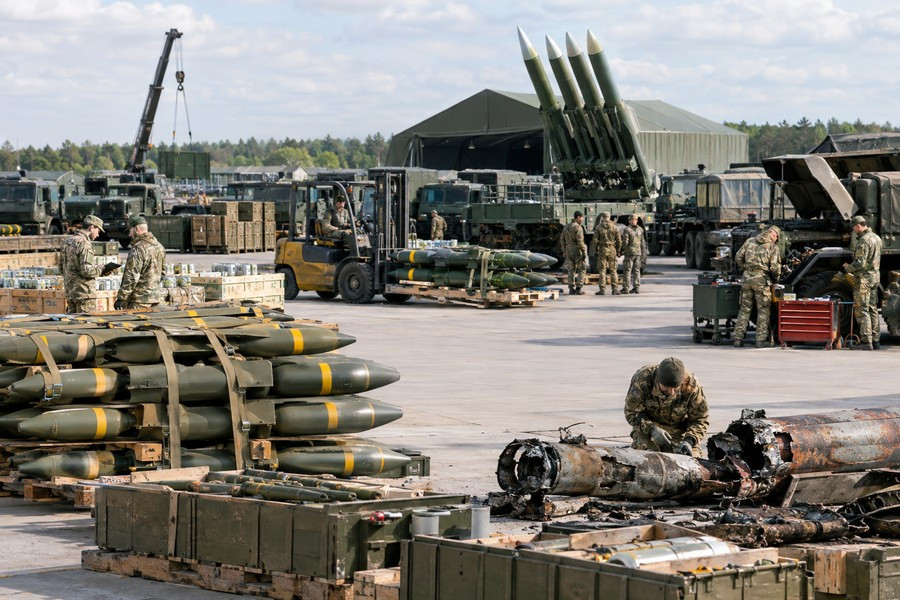
The largest part of the bill comes from replacing missiles, bombs, and other weapons used during the fighting. The military estimates that these replacement costs total about $29 billion.
Other major expenses include:
- $6.1 billion to replace military equipment destroyed or lost during the conflict
- About $11.9 billion for added costs, including support for U.S. service members
- Additional expenses linked to military operations, transportation, supplies, and support
The estimate does not include the cost of repairing U.S. military bases in the Middle East. Many of those bases have been attacked by Iranian missiles and drones.
The Price Has Continued to Rise
The newest estimate is much higher than an earlier figure given by Defense Secretary Pete Hegseth. At that time, he said the conflict had cost about $37.5 billion. That number also did not include damage to U.S. bases.
The increase shows how quickly the cost of a long military campaign can grow. Each attack requires new weapons, added transportation, more protection for troops, and extra support for forces stationed far from home.
The Congressional Budget Office has estimated that the conflict could cost the United States between $2 billion and $3 billion every month for as long as the fighting continues.
A large share of those ongoing costs could come from replacing interceptor missiles. These weapons are used to protect American forces and bases from Iranian missile and drone attacks.
Future Attacks Could Raise the Bill
Military expenses could increase even faster if the United States and Iran return to frequent attacks against each other. Such exchanges were common earlier in the conflict, although the pace of fighting has slowed recently.
When both sides launch attacks, the United States may need to use expensive defensive missiles. It must also replace aircraft, vehicles, weapons, and other equipment used in combat. These costs can rise quickly during periods of heavy fighting.
The final price of the war remains unclear because the conflict is still active. The total could grow much higher if the United States launches new operations or if Iran increases its attacks.
Peace Talks Could Decide What Happens Next
The conflict is approaching its ninth month, but its future remains uncertain. President Trump has said the United States could resume major attacks after the upcoming midterm elections if Iran does not agree to a deal.
He has also suggested that Iran could avoid renewed fighting by reaching an agreement with the United States. Without such an agreement, the possibility of another major military operation remains.
A longer war would place added pressure on the federal budget. It could also force the military to shift money away from training, new equipment, and other defense programs.
Military Weapons Stockpiles Face Pressure
The Defense Department’s inspector general has warned that the United States is facing strategic shortages in its weapons stockpiles. The warning is tied to the large number of missiles and other weapons used during the war.
In response, the Defense Department is working to increase production and speed up deliveries. Building new weapons can take months or years, especially when factories must expand and suppliers need to obtain rare materials.
The Trump administration has rejected claims that the military is running out of weapons. Trump has said the United States has nearly unlimited supplies of medium- and high-grade ammunition, far more than the military could use.
The different statements show a disagreement over the condition of America’s weapons supply. Military officials are working to rebuild stockpiles, while the administration says the country has enough ammunition to continue fighting.
For now, the conflict’s financial cost is already clear: at least $47.1 billion has been spent, weapons stocks are under strain, and the total will continue to rise if fighting resumes or continues.