
A New Era of Political Stability Faces Tough Economic Realities
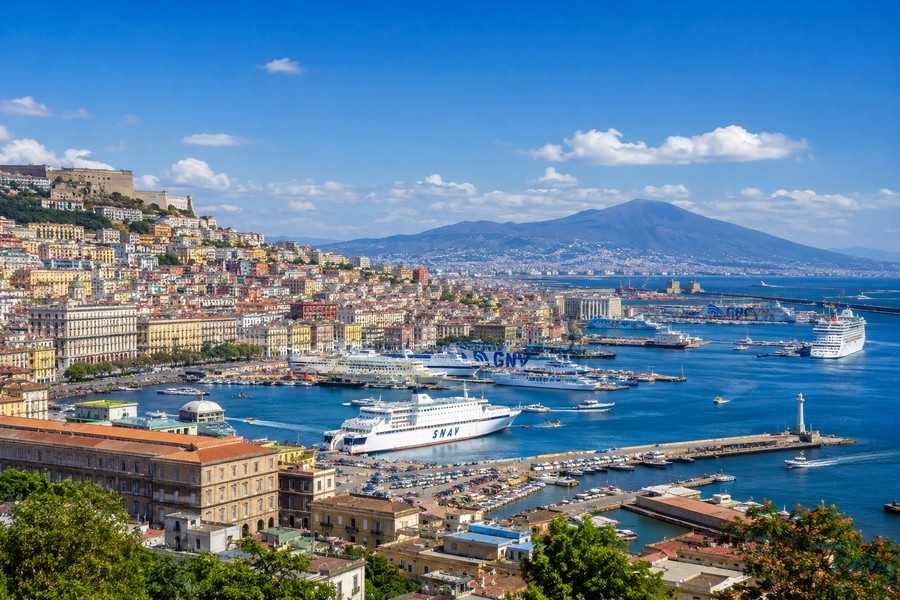
A European nation known for its frequent political shifts is experiencing a rare period of steady leadership. The current coalition government recently reached a major milestone by becoming the country's longest-lasting administration since the mid-twentieth century. To mark the occasion, leaders held a public gathering in a southern port city, highlighting efforts to create jobs, assist families, manage public funds responsibly, and improve the nation's standing on the global stage.
A History of Frequent Shifts
This steady leadership is a significant change for a country that has historically struggled with political consistency. Over the past eight decades, the nation has seen dozens of different governments come and go. This constant rotation of leadership often made it difficult to pass long-term policies or reassure global partners.
Some former leaders view this newfound continuity as a positive sign, though they caution that it is only a starting point. Key observations include:
- A shift in patterns: In the past, frequent changes in leadership were the norm, but steady leadership is now becoming the new standard.
- Better financial caution: This continuity has helped calm financial markets and lower borrowing costs for the government.
However, observers note that simply staying in power is not enough to solve the country's deeper structural issues.
Economic Growth Struggles to Keep Pace
While the political situation has calmed, the domestic economy is still facing major challenges. After a strong recovery following the global health crisis, economic progress has slowed down significantly over the last few years.
Recent economic figures highlight these difficulties:
- Low growth: The economy grew by just 0.5% recently, which is slower than the average of 1.5% seen across neighboring European nations.
- High youth unemployment: While overall employment numbers look decent, nearly 19% of young people are out of work, compared to a regional average of around 15%.
- Shrinking household budgets: Many families are finding that their money does not go as far as it used to, causing some concern among citizens.
Former officials point out that the drop in family purchasing power is a clear sign that the government still has much work to do, despite its political longevity.
The Debate Over Necessary Reforms
Former government officials argue that true progress requires making difficult choices. Some suggest that the current administration has maintained its popularity by avoiding controversial decisions that could modernize the economy but upset voters. To build a stronger financial future, experts point to several necessary steps:
- Enforcing fair competition: Opening up markets to more competition could bring new energy to local businesses.
- Addressing unpaid taxes: Cracking down on tax evasion is essential for balancing the national budget.
- Encouraging young talent: Without better opportunities, the country risks losing its brightest young minds to other nations.
Some observers also note that holding office often tempers extreme political views. For instance, early talk of leaving the European partnership or dropping the shared currency has largely disappeared. Still, former leaders emphasize that keeping good relationships with neighboring countries is vital for addressing shared challenges like inflation, trade, and immigration.
Managing Public Debt and Deficits
The current administration inherited a difficult financial situation, with a high budget deficit of over 7%. Because of this, regional regulators placed the country under a special watch program designed to keep deficits low.
Since then, the deficit has dropped significantly to around 3.1%, and is expected to fall even further. This improvement is largely due to higher employment and rising wages, which have brought more tax revenue to the government. As the deficit has fallen, investors have grown more confident, demanding lower interest rates to hold the country's debt.
However, overall national debt remains a major hurdle. The country's debt-to-economy ratio is around 137% and is expected to rise slightly. This heavy debt load was partly driven by a previous program that offered tax breaks for home renovations.
How International Investors React
The financial markets have responded positively to the recent stability. Borrowing costs have decreased, and international investors now view the country as a safer place to put their money. Financial analysts point to a few key trends:
- Pragmatic leadership: The current prime minister has focused on practical financial decisions rather than radical policies, which has reassured global markets.
- Lower risk premiums: The gap between local government bond rates and more stable regional benchmarks has narrowed significantly.
- Investor caution: Even with these improvements, some investment managers remain cautious, noting that the positive changes may already be fully reflected in current market prices.
Ultimately, while steady leadership has helped improve the nation's image, the long-term success of the country will depend on its ability to spark economic growth and help everyday families.