
High-Profile Celebrities Criticize Film Festival's Stance on Gaza
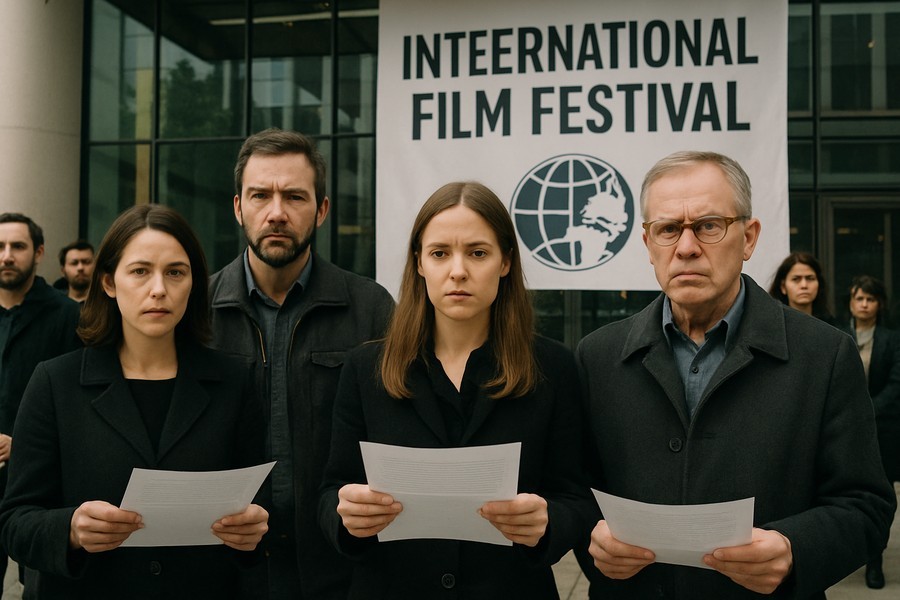
A strong critique is emerging from a group of more than 80 present and past participants of a renowned film festival, which includes celebrated actors like Javier Bardem and Tilda Swinton. This group has expressed their disapproval through an open letter, where they criticize the festival's lack of commentary on the situation in Gaza.
Igniting the Controversy
The controversy arose after the festival became the center of an uproar, due to allegations of pushing political discussions to the side. The incident was sparked by an unfortunate comment made by the head of the festival jury, Wim Wenders, during the initial press conference. Wenders suggested that those in the film industry should "steer clear of politics", when he was asked questions about the Israel-Gaza conflict and the support the German government provides to Israel.
This comment resulted in an intense backlash, prompting Indian author Arundhati Roy to withdraw from the festival. The festival director, Tricia Tuttle, felt compelled to release a statement defending the festival's artists and actors who were increasingly being asked to weigh in on political and societal issues during press conferences.
Freedom of Speech in the Arts
Tricia Tuttle emphasized on the freedom of artists and their right to express their views. She said, "Artists have the liberty to exercise their freedom of speech in any way they wish. They should not be burdened with the expectation to comment on all wider debates about a festival's previous or current practices over which they have no control. Nor should they be expected to speak on every political issue raised to them unless they want to."
Accusations of Censorship
However, prominent figures in the film industry accused the film festival of "muzzling" artists who have voiced their opinions. The individuals who signed the open letter, including Angeliki Papoulia, Saleh Bakri, Tatiana Maslany, Peter Mullan and Tobias Menzies, as well as directors Mike Leigh, Lukas Dhont, Nan Goldin, Miguel Gomes, and Avi Mograbi, stated their fervent disagreement with Wenders' views on filmmaking and politics. They argued, "You cannot separate one from another."
They pointed out that over 5,000 film workers, including prominent Hollywood figures, have refused to collaborate with "complicit Israeli film companies and institutions". The letter also mentioned that the festival had taken a stand in the past on other "atrocities", including those in Ukraine.
Call for Moral Responsibility
The signatories urged the film festival to "fulfil its moral duty and clearly state its opposition to Israel’s genocide, crimes against humanity, and war crimes against Palestinians, and completely end its involvement in protecting Israel from criticism and calls for accountability."
Political Inquiries Dominate Discussions
The festival has been rife with politically charged questions, making headlines and trending on social media. High-profile guests have been probed on political topics, often unrelated to the films they were promoting. Some of these guests include US actor Neil Patrick Harris and UK actor Rupert Grint, both of whom were asked about fascism, and Malaysian actor Michelle Yeoh, who was asked about her views on the current state of the US.
Tom Morello, the guitarist of the band Rage Against the Machine who co-directed a music documentary, commented: “What a time to be alive, where you can both make a documentary about one of your favorite bands and fight fascism at the same time” – a statement that was met with applause from a room full of journalists.
Tricia Tuttle highlighted that there are “many different kinds of art, and many different ways of being political”. She added that film-makers were facing criticism “if they cannot compress complex thoughts into a brief soundbite when a microphone is placed in front of them when they thought they were speaking about something else”.