
Republicans had barely finished absorbing a historic midterm wipeout when their vice president started explaining exactly who, or rather what, had sunk them. JD Vance’s answer was brutal: the administration’s war with Iran.
That was a remarkable break from Donald Trump, whom Vance had supported consistently and enthusiastically for years. It also made the Republican Party’s next chapter look less like a distant problem and more like a fight already breaking out in public.
Vance Says the Answer Is Obvious
In a lengthy post on X Wednesday, Vance offered his first reaction to the GOP’s heavy losses. He acknowledged that Republicans would spend weeks arguing over the details and conceded that their economic message may not have been sharp enough near the end of the campaign.
But he was not interested in treating the election result like some unsolvable political mystery.
“There will be a lot of infighting and arguing over what happened and why that is. One of the pollsters I really respect told me that our economic messaging wasn’t sharp enough down the stretch. I’m sure that’s true,” the vice president said.
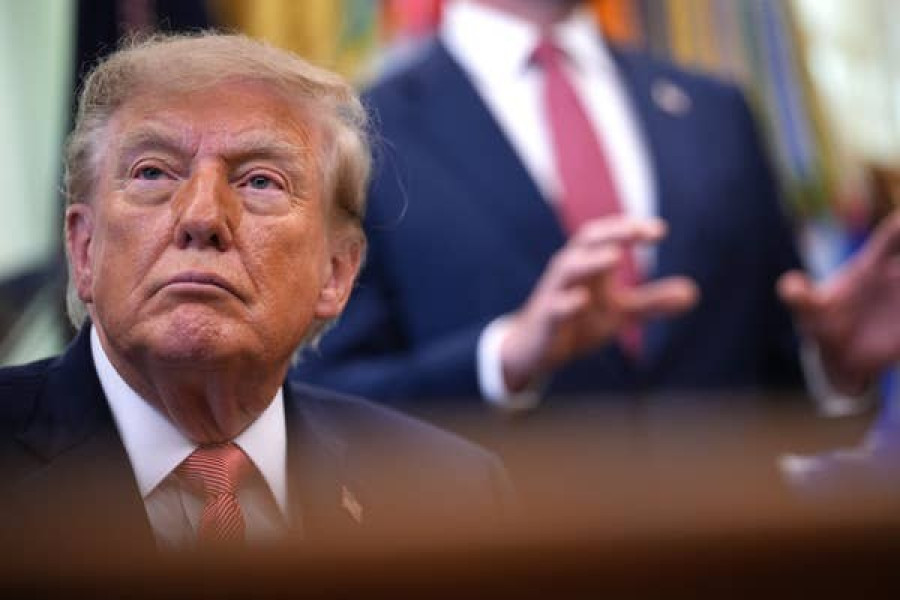
Then came the sentence that turned a post-election analysis into a political flare-up: “But the real reason we lost is obvious to almost everyone.”
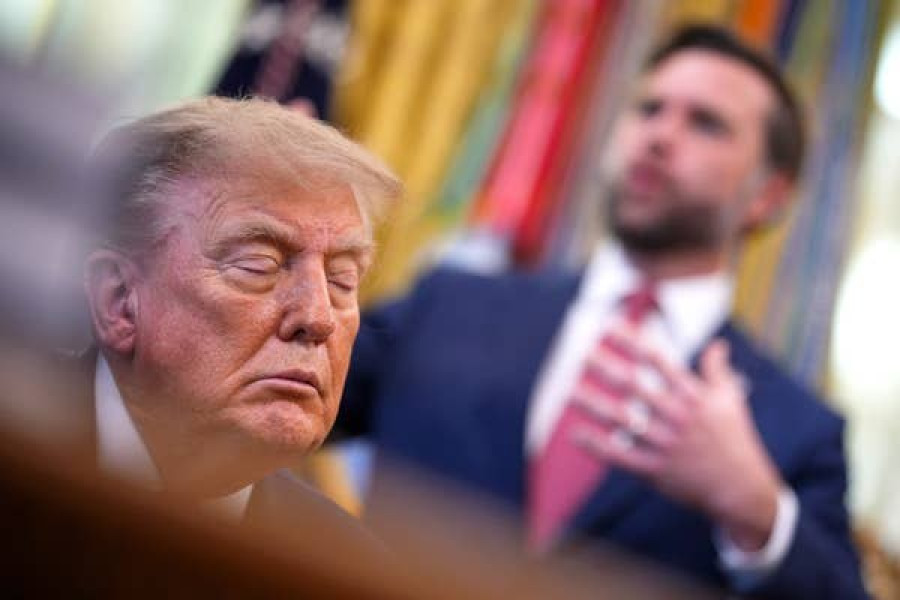
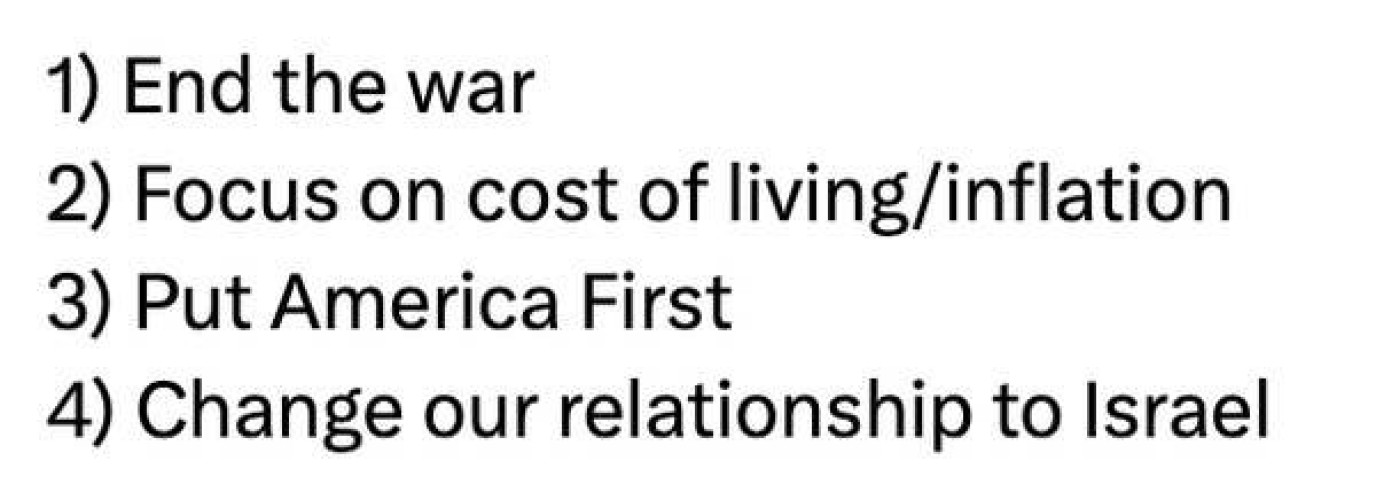
Vance said the top four answers from Trump voters who switched to Democrats were the Iran war, the rising cost of living, the administration’s failure to put “America First,” and the United States’ relationship with Israel.
He did not bury the conclusion under polling jargon. “The reason we lost is the war,” Vance said. “The president himself said so last night.”
A Public Break Over a Costly War
That was a sharp public break from the message coming from Trump and his Pentagon chief, who had defended the months-long conflict. The war had driven gas prices higher, put American service members abroad at greater risk and cost billions of dollars that many Americans thought should stay home while the economy was struggling.
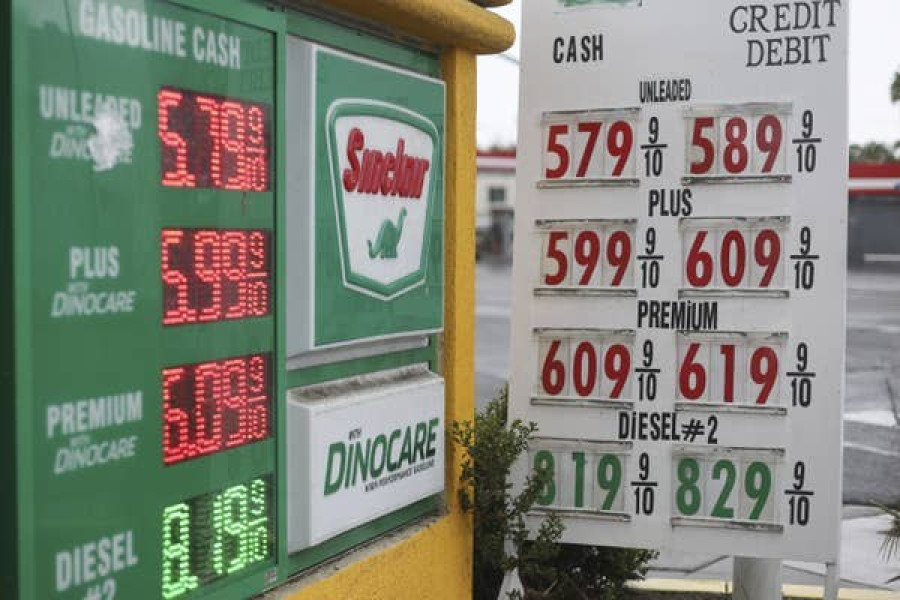
Gas prices are already bad at making friends. A station sign showing regular gasoline at $5.79 a gallon with cash and $5.89 with a card was practically an invitation for voters to start assigning blame.
Voters from both parties had increasingly voiced opposition to the conflict and its impact at home. Trump, meanwhile, kept telling rally crowds to tolerate the financial strain a little longer so the United States could continue fighting.
Vance’s argument was not that Republicans had communicated the war poorly. It was that they had to admit the war came with a political price.
“If you’d like to argue it was worth it, that losing the Senate for the next 6 years was worth it, then do so,” Vance said. “Argue it was a worthwhile cost to pay. Agree or disagree, that’s at least honest. But everyone knows why we lost. And any honest conversation about where we go from here must start there.”
Trump Basically Agrees
Reporters asked Trump Wednesday whether he believed Republicans had lost because of the war in Iran. His answer was not exactly a counterattack.
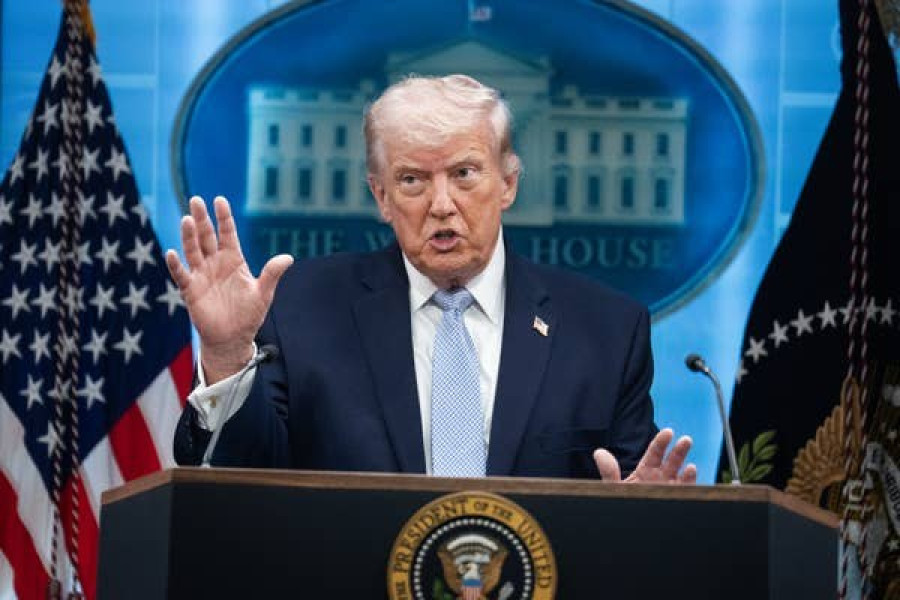
“Well, I think it’s largely true because it drove the gasoline up a little — short term — and probably that’s true,” Trump said after delivering a speech that avoided the election results entirely.
Then he made clear that admitting the war had hurt Republicans did not mean he regretted starting it.
“But at the same time, if I had to do it again, I’d have to do it again — because long-term, it’s the only answer,” Trump continued. “You can’t let Iran have a nuclear weapon.”
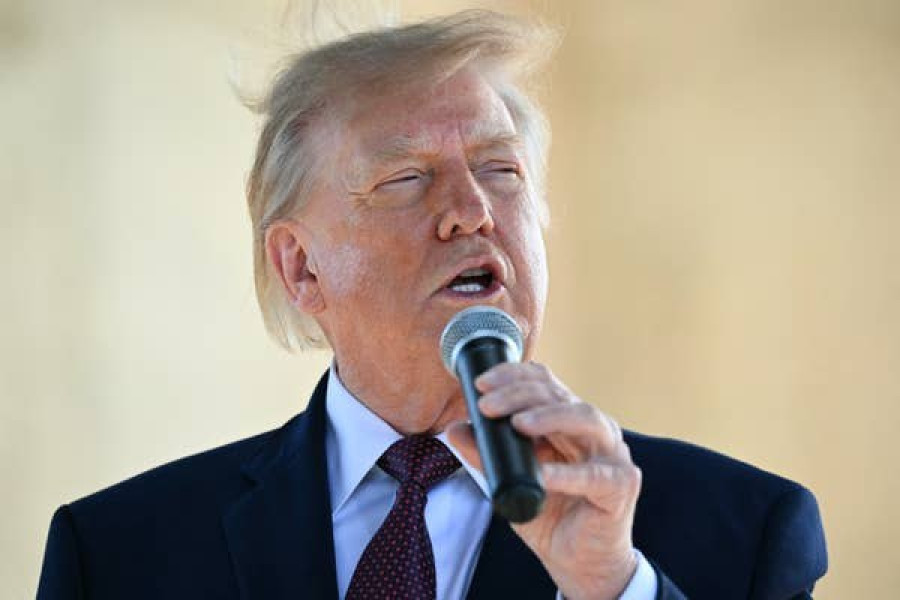
So the president and vice president agreed on the immediate political problem while landing on opposite sides of the bigger question. Vance said the war cost Republicans the election. Trump said that cost was acceptable and that he would make the same choice again.
The 2028 Question Arrives Early
Vance had backed the war until after the election, which made his change in emphasis impossible to miss. The timing mattered for another reason: he could become a contender for the Republican presidential nomination in 2028.
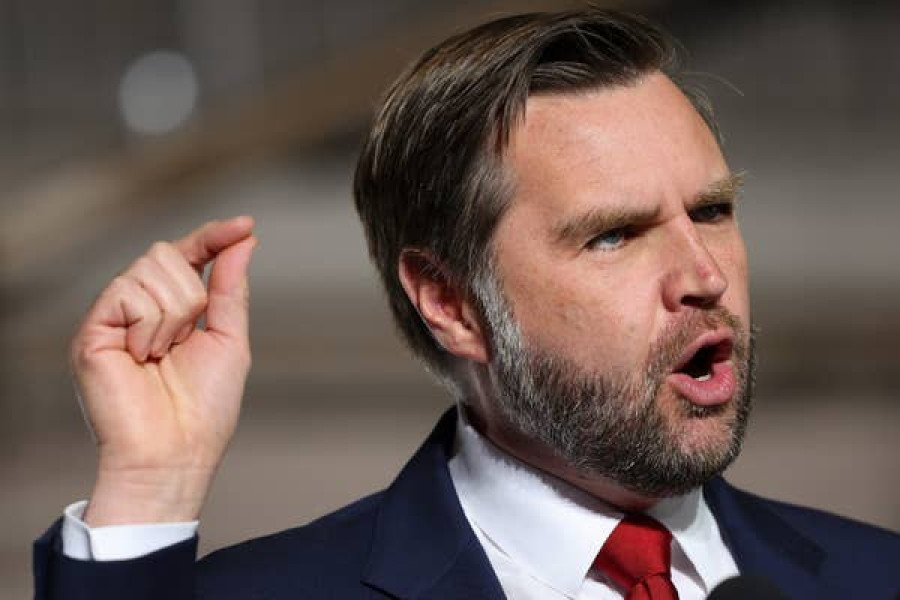
Trump will not be on that ballot as the eventual nominee, leaving ambitious Republicans to decide whether loyalty means following every policy or preparing for the party that comes after him.
Trump himself seemed willing to entertain the possibility of a crowded field.
“I mean, you don’t know who’s talking about running,” he told reporters about the eventual Republican nominee. “Maybe a lot of people running, maybe nobody’s gonna run. Maybe [Vance] won’t run, I don’t know who’s gonna run.”
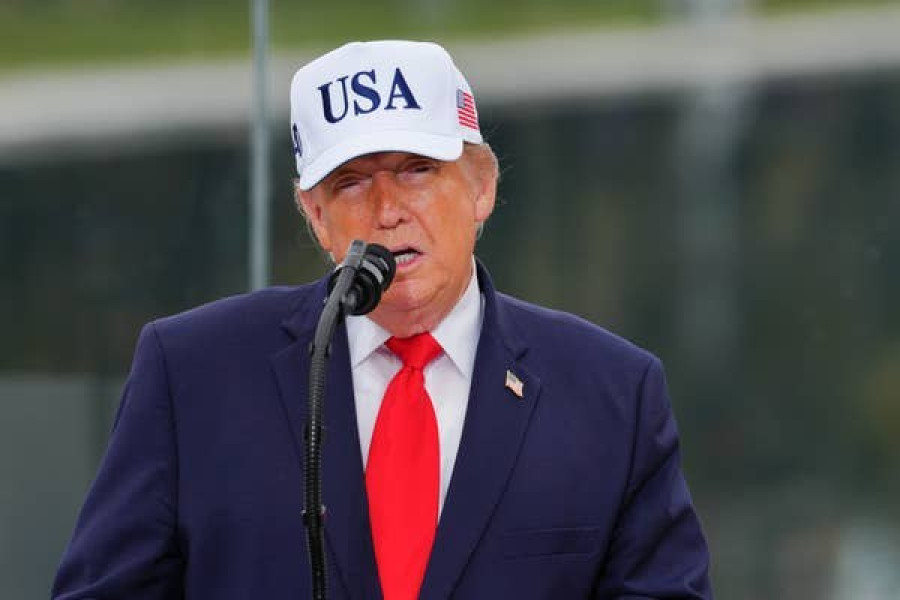
That is hardly a ringing endorsement of Vance’s political future, but it is not a warning to stay in his lane, either. The vice president had just criticized a major Trump policy in public, and Trump responded by acknowledging that the criticism was largely correct.
Trump Jr. Backs Vance
Donald Trump Jr. then publicly co-signed Vance’s message, posting: “Every word of this is 100.”
That added another layer to the family drama. Trump Jr. had previously been reported to have raised concerns with his father about the war, so Vance’s criticism was no longer standing alone. It now had support from inside the president’s own family.
Vance ended his post by trying to aim the anger at the next election instead of letting it rip the party apart.
“I remain hopeful about our country. To the people who are pissed off and want to say, ‘I told you so’: you’re right, you did tell us so. Take that energy into electing Republicans who share your worldview,” Vance said. “To the people who are just pissed at the results, you should be.”
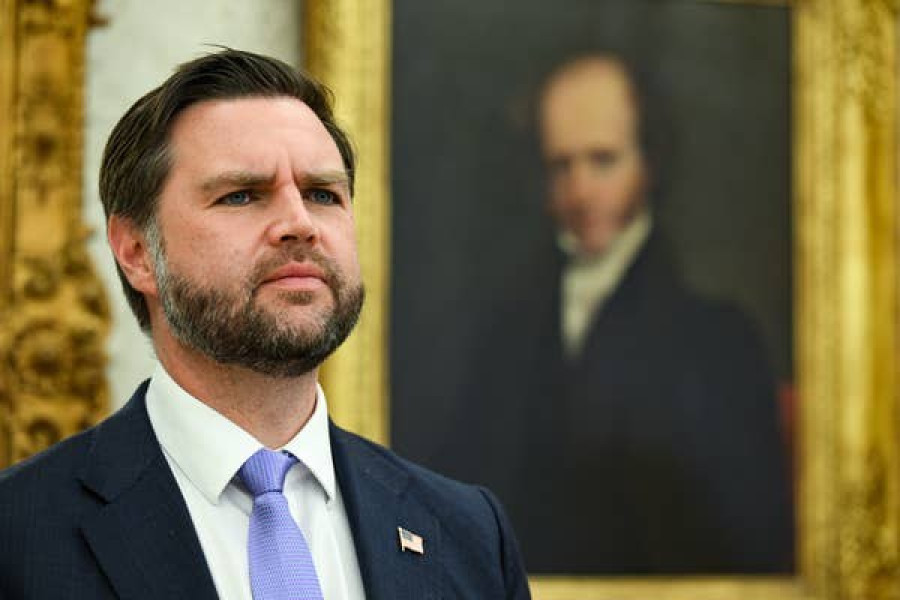
Vance may have been diagnosing an election loss. He may also have been auditioning for the post-Trump Republican Party.
That was a remarkable break from Donald Trump, whom Vance had supported consistently and enthusiastically for years. It also made the Republican Party’s next chapter look less like a distant problem and more like a fight already breaking out in public.
Vance Says the Answer Is Obvious
In a lengthy post on X Wednesday, Vance offered his first reaction to the GOP’s heavy losses. He acknowledged that Republicans would spend weeks arguing over the details and conceded that their economic message may not have been sharp enough near the end of the campaign.
But he was not interested in treating the election result like some unsolvable political mystery.
“There will be a lot of infighting and arguing over what happened and why that is. One of the pollsters I really respect told me that our economic messaging wasn’t sharp enough down the stretch. I’m sure that’s true,” the vice president said.
Then came the sentence that turned a post-election analysis into a political flare-up: “But the real reason we lost is obvious to almost everyone.”
Vance said the top four answers from Trump voters who switched to Democrats were the Iran war, the rising cost of living, the administration’s failure to put “America First,” and the United States’ relationship with Israel.
He did not bury the conclusion under polling jargon. “The reason we lost is the war,” Vance said. “The president himself said so last night.”
A Public Break Over a Costly War
That was a sharp public break from the message coming from Trump and his Pentagon chief, who had defended the months-long conflict. The war had driven gas prices higher, put American service members abroad at greater risk and cost billions of dollars that many Americans thought should stay home while the economy was struggling.
Gas prices are already bad at making friends. A station sign showing regular gasoline at $5.79 a gallon with cash and $5.89 with a card was practically an invitation for voters to start assigning blame.
Voters from both parties had increasingly voiced opposition to the conflict and its impact at home. Trump, meanwhile, kept telling rally crowds to tolerate the financial strain a little longer so the United States could continue fighting.
Vance’s argument was not that Republicans had communicated the war poorly. It was that they had to admit the war came with a political price.
“If you’d like to argue it was worth it, that losing the Senate for the next 6 years was worth it, then do so,” Vance said. “Argue it was a worthwhile cost to pay. Agree or disagree, that’s at least honest. But everyone knows why we lost. And any honest conversation about where we go from here must start there.”
Trump Basically Agrees
Reporters asked Trump Wednesday whether he believed Republicans had lost because of the war in Iran. His answer was not exactly a counterattack.
“Well, I think it’s largely true because it drove the gasoline up a little — short term — and probably that’s true,” Trump said after delivering a speech that avoided the election results entirely.
Then he made clear that admitting the war had hurt Republicans did not mean he regretted starting it.
“But at the same time, if I had to do it again, I’d have to do it again — because long-term, it’s the only answer,” Trump continued. “You can’t let Iran have a nuclear weapon.”
So the president and vice president agreed on the immediate political problem while landing on opposite sides of the bigger question. Vance said the war cost Republicans the election. Trump said that cost was acceptable and that he would make the same choice again.
The 2028 Question Arrives Early
Vance had backed the war until after the election, which made his change in emphasis impossible to miss. The timing mattered for another reason: he could become a contender for the Republican presidential nomination in 2028.
Trump will not be on that ballot as the eventual nominee, leaving ambitious Republicans to decide whether loyalty means following every policy or preparing for the party that comes after him.
Trump himself seemed willing to entertain the possibility of a crowded field.
“I mean, you don’t know who’s talking about running,” he told reporters about the eventual Republican nominee. “Maybe a lot of people running, maybe nobody’s gonna run. Maybe [Vance] won’t run, I don’t know who’s gonna run.”
That is hardly a ringing endorsement of Vance’s political future, but it is not a warning to stay in his lane, either. The vice president had just criticized a major Trump policy in public, and Trump responded by acknowledging that the criticism was largely correct.
Trump Jr. Backs Vance
Donald Trump Jr. then publicly co-signed Vance’s message, posting: “Every word of this is 100.”
That added another layer to the family drama. Trump Jr. had previously been reported to have raised concerns with his father about the war, so Vance’s criticism was no longer standing alone. It now had support from inside the president’s own family.
Vance ended his post by trying to aim the anger at the next election instead of letting it rip the party apart.
“I remain hopeful about our country. To the people who are pissed off and want to say, ‘I told you so’: you’re right, you did tell us so. Take that energy into electing Republicans who share your worldview,” Vance said. “To the people who are just pissed at the results, you should be.”
Vance may have been diagnosing an election loss. He may also have been auditioning for the post-Trump Republican Party.