Ask someone to define communism and you might get a textbook answer, a long pause, or a sentence that somehow includes the greatest country on Earth. Ask the same person whether they want a $5,000 government check, though, and suddenly the political vocabulary gets a lot more flexible.
That was the setup when The Daily Show correspondent Jordan Klepper brought his recurring “Fingers on the Pulse” segment to Trump supporters gathered outside various midterm rallies. Many of the people he interviewed said “socialism” and “communism” were major threats creeping into American society.
The words were easy to say. Defining them was another story.
“That’s a Hard Term, You Know”
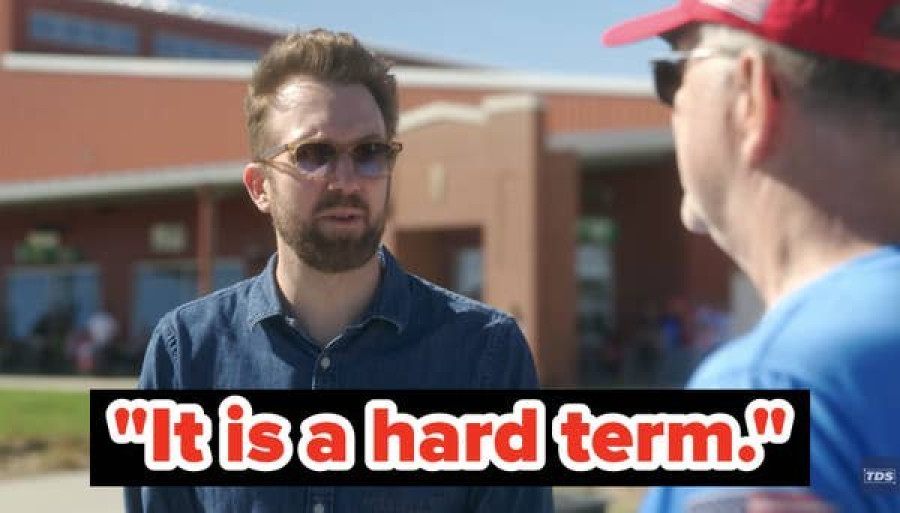
Klepper asked one man what communism meant. The man paused, then admitted, “That’s a hard term, you know.”
Fair enough. Communism is not exactly a word most people casually define before breakfast. But Klepper pointed out the awkward part: it can be much easier to toss out a frightening political term than to explain what you mean by it.
“It is a hard term. It’s just almost easier just to throw it out, incite some fear, and then move on,” Klepper said.
The man did not try to bluff his way through the question. “Yeah. I probably really couldn’t give you a definition,” he replied.
Honestly, that may have been the cleanest answer of the entire exchange. No rambling. No emergency history lecture assembled on the spot. Just a man admitting that the word he had been discussing was not one he could actually define.
Other Trump supporters did not exactly rush to the whiteboard, either. Some stayed silent. Others said they had been free their whole lives in the United States and did not want that to change.
One man offered a definition of his own: communism is when “they’re gonna control you.” It was brief, confident and broad enough to include everything from government surveillance to an especially bossy parking attendant.
Then Klepper spoke with a couple who seemed genuinely stunned by the question. Their answer was simple: the United States is the greatest country in the world.

That is a perfectly enthusiastic opinion about America. It is not, strictly speaking, a definition of communism. But at least nobody could accuse them of underselling their patriotism.
Then Came the $5,000 Question
Klepper moved from political labels to something much easier to picture: money.
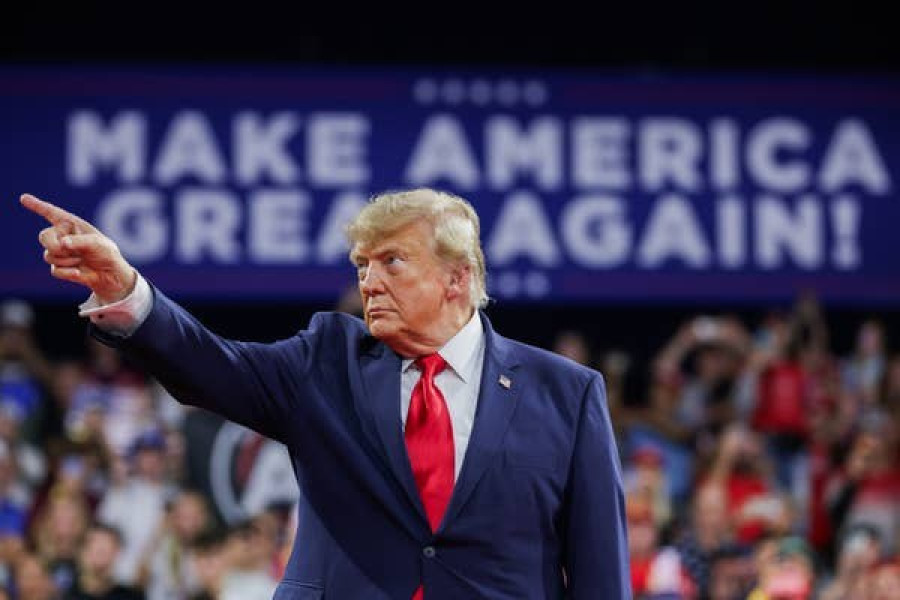
The question came in the context of President Donald Trump’s promise to pay every American $5,000 if Republicans won the midterms. After hearing people criticize socialism, communism and government assistance, Klepper wanted to know how they felt about a government payment landing in their own hands.
He asked one woman whether she liked handouts.
“No,” she replied. “There’s some people that need help, but we got too many people who shouldn’t be on it.”
That sounded like a firm no to government checks, at least when other people were receiving them. So Klepper followed up with a more specific scenario.
“What about for $5,000 checks if Republicans win? What do you think of that?” he asked.

“I think that’d be great,” she said.
And there it was: handouts were apparently objectionable in the abstract, but a $5,000 check with the right political label was welcome news. The money had not changed. The recipient had.
The couple Klepper had spoken with earlier made the same pivot. They said they did not want all the “free stuff,” but when the possible $5,000 payments came up, they were excited about those.

The contradiction was not subtle. People who disliked government assistance seemed perfectly comfortable with a government payment when it was presented as a benefit for them. Apparently, “handout” is a word with a strict eligibility requirement: it must go to somebody else.
One Man Questioned the Motive
Still, one man was not sold on the promise.
When Klepper asked what he thought about the potential $5,000 payments, the man said, “I’m not sure I like that.”

Klepper asked why.
“Because it looks like he’s paying people to vote for him,” the man said.

That answer cut through the whole conversation. He was not debating whether the payment sounded generous. He was not trying to define communism on camera. He was asking what the money was supposed to accomplish.
Klepper agreed. “It does look like that,” he said.

It was a notably direct exchange. The man looked at the promise and saw a possible political transaction: money offered to voters at the same time a candidate and his party were asking for their support.
The Follow-Up Questions Did the Damage
Klepper’s segment worked because the questions were basic. What does this political word mean? Do you support government handouts? What about this government payment that could benefit you?
Those questions exposed the gap between the slogans people repeated and the positions they held when the conversation became personal. “Socialism” and “communism” were treated as obvious dangers, even when the people invoking them struggled to define them. Government assistance was criticized, until the assistance looked like a check with their name on it.
The man who objected to the $5,000 payment noticed a different problem. He was less interested in whether the promise sounded good than in whether it looked like an attempt to influence voters.
That made his answer stand out. He did not automatically approve of the offer because it benefited his political side. He questioned the motive behind it, which is usually where campaign promises become much less shiny.
There was no tidy political lecture at the end of Klepper’s interviews. Just a series of people discovering that familiar words can get slippery when someone asks a second question.
Communism was hard to define. “Free stuff” was bad, unless it came as a $5,000 check. And one voter looked at the entire proposal and said the quiet part out loud: maybe this was not generosity. Maybe it was a pitch for votes.
Turns out the most revealing political question was not “What is communism?” It was “Would you still call it a handout if the check had your name on it?”
That was the setup when The Daily Show correspondent Jordan Klepper brought his recurring “Fingers on the Pulse” segment to Trump supporters gathered outside various midterm rallies. Many of the people he interviewed said “socialism” and “communism” were major threats creeping into American society.
The words were easy to say. Defining them was another story.
“That’s a Hard Term, You Know”
Klepper asked one man what communism meant. The man paused, then admitted, “That’s a hard term, you know.”
Fair enough. Communism is not exactly a word most people casually define before breakfast. But Klepper pointed out the awkward part: it can be much easier to toss out a frightening political term than to explain what you mean by it.
“It is a hard term. It’s just almost easier just to throw it out, incite some fear, and then move on,” Klepper said.
The man did not try to bluff his way through the question. “Yeah. I probably really couldn’t give you a definition,” he replied.
Honestly, that may have been the cleanest answer of the entire exchange. No rambling. No emergency history lecture assembled on the spot. Just a man admitting that the word he had been discussing was not one he could actually define.
Other Trump supporters did not exactly rush to the whiteboard, either. Some stayed silent. Others said they had been free their whole lives in the United States and did not want that to change.
One man offered a definition of his own: communism is when “they’re gonna control you.” It was brief, confident and broad enough to include everything from government surveillance to an especially bossy parking attendant.
Then Klepper spoke with a couple who seemed genuinely stunned by the question. Their answer was simple: the United States is the greatest country in the world.
That is a perfectly enthusiastic opinion about America. It is not, strictly speaking, a definition of communism. But at least nobody could accuse them of underselling their patriotism.
Then Came the $5,000 Question
Klepper moved from political labels to something much easier to picture: money.
The question came in the context of President Donald Trump’s promise to pay every American $5,000 if Republicans won the midterms. After hearing people criticize socialism, communism and government assistance, Klepper wanted to know how they felt about a government payment landing in their own hands.
He asked one woman whether she liked handouts.
“No,” she replied. “There’s some people that need help, but we got too many people who shouldn’t be on it.”
That sounded like a firm no to government checks, at least when other people were receiving them. So Klepper followed up with a more specific scenario.
“What about for $5,000 checks if Republicans win? What do you think of that?” he asked.
“I think that’d be great,” she said.
And there it was: handouts were apparently objectionable in the abstract, but a $5,000 check with the right political label was welcome news. The money had not changed. The recipient had.
The couple Klepper had spoken with earlier made the same pivot. They said they did not want all the “free stuff,” but when the possible $5,000 payments came up, they were excited about those.
The contradiction was not subtle. People who disliked government assistance seemed perfectly comfortable with a government payment when it was presented as a benefit for them. Apparently, “handout” is a word with a strict eligibility requirement: it must go to somebody else.
One Man Questioned the Motive
Still, one man was not sold on the promise.
When Klepper asked what he thought about the potential $5,000 payments, the man said, “I’m not sure I like that.”
Klepper asked why.
“Because it looks like he’s paying people to vote for him,” the man said.
That answer cut through the whole conversation. He was not debating whether the payment sounded generous. He was not trying to define communism on camera. He was asking what the money was supposed to accomplish.
Klepper agreed. “It does look like that,” he said.
It was a notably direct exchange. The man looked at the promise and saw a possible political transaction: money offered to voters at the same time a candidate and his party were asking for their support.
The Follow-Up Questions Did the Damage
Klepper’s segment worked because the questions were basic. What does this political word mean? Do you support government handouts? What about this government payment that could benefit you?
Those questions exposed the gap between the slogans people repeated and the positions they held when the conversation became personal. “Socialism” and “communism” were treated as obvious dangers, even when the people invoking them struggled to define them. Government assistance was criticized, until the assistance looked like a check with their name on it.
The man who objected to the $5,000 payment noticed a different problem. He was less interested in whether the promise sounded good than in whether it looked like an attempt to influence voters.
That made his answer stand out. He did not automatically approve of the offer because it benefited his political side. He questioned the motive behind it, which is usually where campaign promises become much less shiny.
There was no tidy political lecture at the end of Klepper’s interviews. Just a series of people discovering that familiar words can get slippery when someone asks a second question.
Communism was hard to define. “Free stuff” was bad, unless it came as a $5,000 check. And one voter looked at the entire proposal and said the quiet part out loud: maybe this was not generosity. Maybe it was a pitch for votes.
Turns out the most revealing political question was not “What is communism?” It was “Would you still call it a handout if the check had your name on it?”