
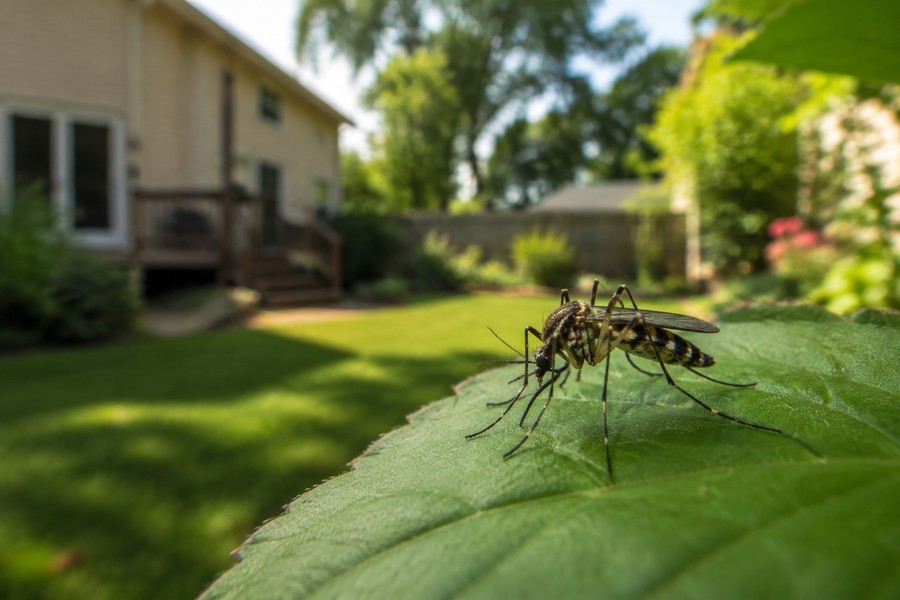
Warm Weather Sparks Early Mosquito Surge and Rise in West Nile Infections
An unusually warm winter followed by an early spring heatwave has led to a major increase in mosquito activity. This sudden surge has pushed cases of West Nile virus to their highest level in five years. The combination of mild winter temperatures and hot spring days created a highly active breeding season for these pests, allowing them to multiply much faster than usual.
Recently, a local resident passed away after being hospitalized with a severe infection. The individual suffered from serious neurological complications caused by the virus. This event marks the first local death of the year linked to the illness, serving as a reminder of the dangers that these small insects can carry.
Understanding the Spread of the Virus
So far, health officials have recorded 30 confirmed human cases of the virus across the state, which have resulted in three deaths. In the local county area, there have been 15 confirmed infections. About half of these local cases occurred in one specific valley community, showing how concentrated the mosquito activity has become in certain neighborhoods.
To track the spread of the virus, workers regularly test local wildlife and insect populations. The results from this year's testing show a significant increase in the presence of the virus:
- Dead Bird Testing: Roughly 24% of dead birds tested positive for the virus this year. This is a major increase compared to the five-year average of just 13%. Because birds carry the virus, a higher rate among birds means a higher risk for humans.
- Mosquito Testing: About 8 out of every 1,000 mosquitoes tested positive for the virus. This is also higher than the usual five-year average of 5 out of 1,000.
Why the Mosquito Season Started Early
Usually, peak mosquito season runs from June through November. However, the biting insects made an appearance much earlier this year. Because the region experienced its warmest winter on record, the virus began spreading and was detected nearly two months ahead of schedule. This early start gave the virus more time to build up in the environment.
Experts point to changing weather patterns as a major reason for this shift. As global temperatures rise, areas that used to be cooler are now experiencing hotter and more extreme weather. This change allows pests and the diseases they carry to move into new regions and survive longer. This trend is expected to continue causing health challenges in the coming years.
Recognizing the Symptoms
It is important to know how the virus affects the human body. Most people who get bitten by an infected mosquito will not feel sick at all. In fact, about 80% of infected individuals show no symptoms. However, for those who do get sick, the symptoms can range from mild to life-threatening.
Here is what to look out for:
- Mild to Moderate Symptoms: About 1 in 5 people who are infected will develop a fever. This is often accompanied by body aches, headaches, vomiting, and diarrhea. These symptoms can be uncomfortable but usually go away on their own.
- Severe Symptoms: Around 1 in 150 people will experience a much more serious infection. This can lead to a high fever, a stiff neck, extreme muscle weakness, and serious swelling of the brain or spinal cord. These severe conditions can lead to permanent damage or even death.
While anyone can catch the virus, certain groups of people are at a much higher risk of developing severe complications. These include:
- People who are 60 years of age or older
- Individuals living with diabetes or high blood pressure
- People with chronic kidney disease
- Anyone with a weakened immune system
Simple Steps to Protect Yourself
Currently, there is no specific medicine to cure the virus, and there is no vaccine available for humans. Because of this, the best way to stay safe is to avoid getting bitten by mosquitoes in the first place. Taking a few simple precautions can help protect you and your family.
You can reduce your risk by following these steps:
- Wear Bug Spray: Whenever you go outside, apply an insect repellent that contains DEET. This is one of the most effective ways to keep mosquitoes away.
- Get Rid of Standing Water: Mosquitoes need water to lay their eggs, and they can breed in very small amounts of liquid. Check around your yard and empty out flowerpots, birdbaths, buckets, clogged gutters, and toys.
- Check Your Screens: Make sure that all the windows and doors in your home have tight-fitting screens without any holes. This keeps the insects from getting inside your house.
- Be Cautious at Dawn and Dusk: Mosquitoes are most active during the early morning and early evening hours. If you are outside during these times, wear long sleeves and pants, or consider staying indoors.
The late summer months of August and September are typically the peak times for the virus to spread. By taking these small, daily actions, you can protect yourself and help keep your community safe from mosquito-borne illnesses.