A joke about White House decor somehow became a national emergency involving bread, private chefs, class anxiety, and one extremely ambitious menu. Before long, MAGA commentators were arguing over whether The Cheesecake Factory is a beloved American institution or evidence of elite cluelessness.
Here’s how a throwaway line turned into a full-blown Cheesecake Factory crisis.
1. Scott Jennings Makes It About Trump’s Lifestyle
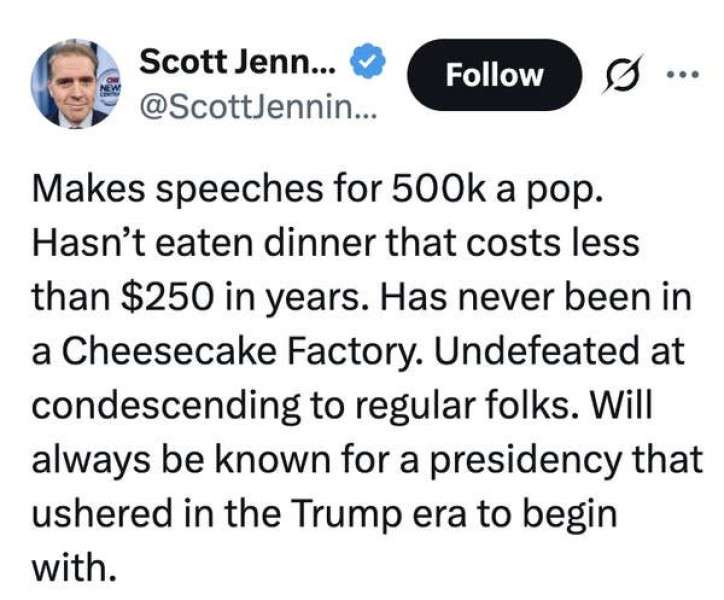
Scott Jennings fired back by criticizing the expensive lifestyle associated with Trump’s presidency. His response shifted the argument away from the restaurant’s decor and toward the broader question of who gets to mock luxury when politicians are surrounded by it.
2. Martha’s Vineyard Joins the Dinner Reservation
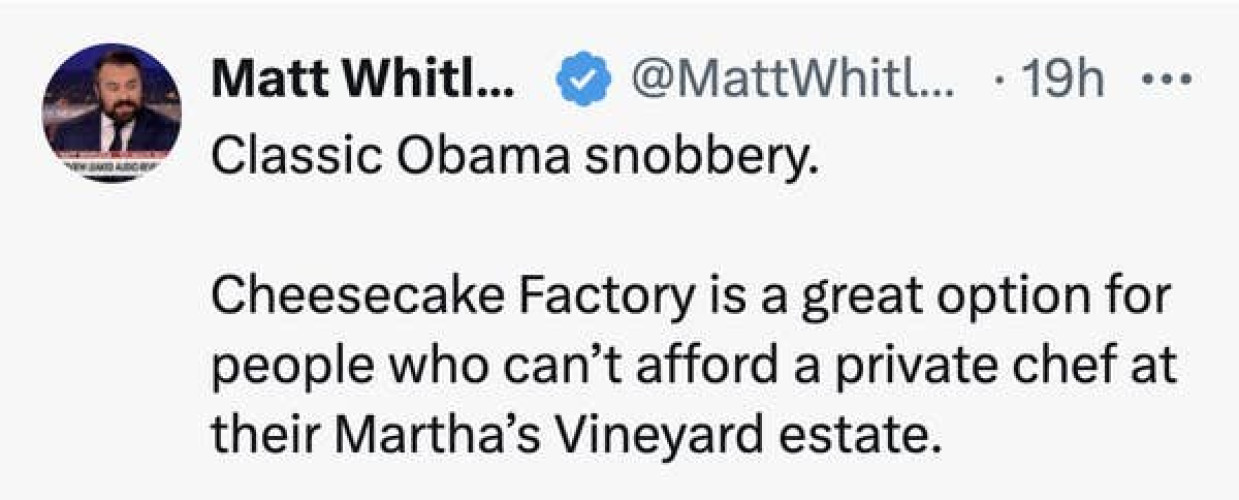
Another critic turned the spotlight back on Obama, suggesting that The Cheesecake Factory is for people who don’t have private chefs at Martha’s Vineyard. Suddenly, the issue wasn’t whether the restaurant’s interior is a lot. It was whether anyone in politics has the right to call anyone else out of touch.
3. The Menu Becomes a Political Strategy
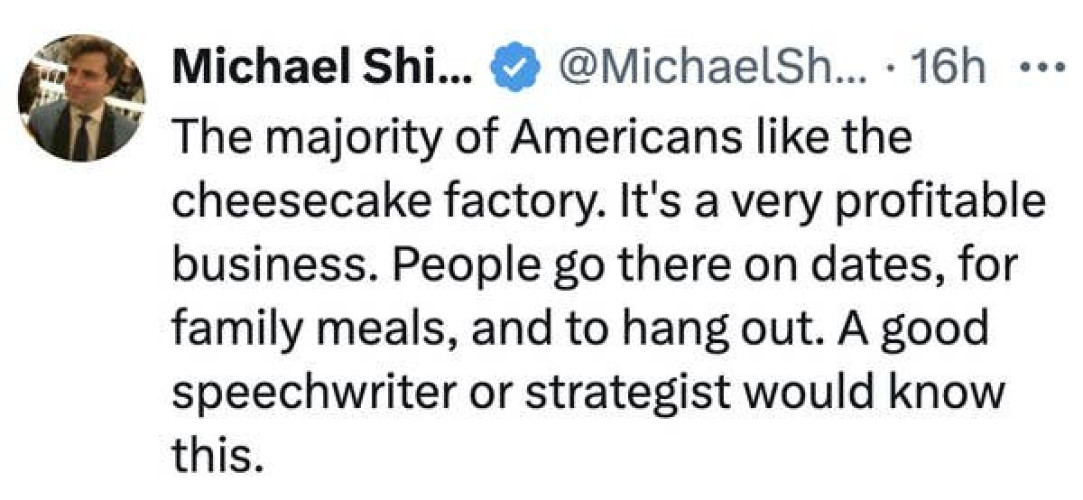
One response pointed out that The Cheesecake Factory is both popular and profitable, then suggested political strategists are perfectly aware of that. Which is a fascinating place for campaign logic to end up: somewhere between voter outreach and a menu long enough to require a table of contents.
4. Is It an American Institution?
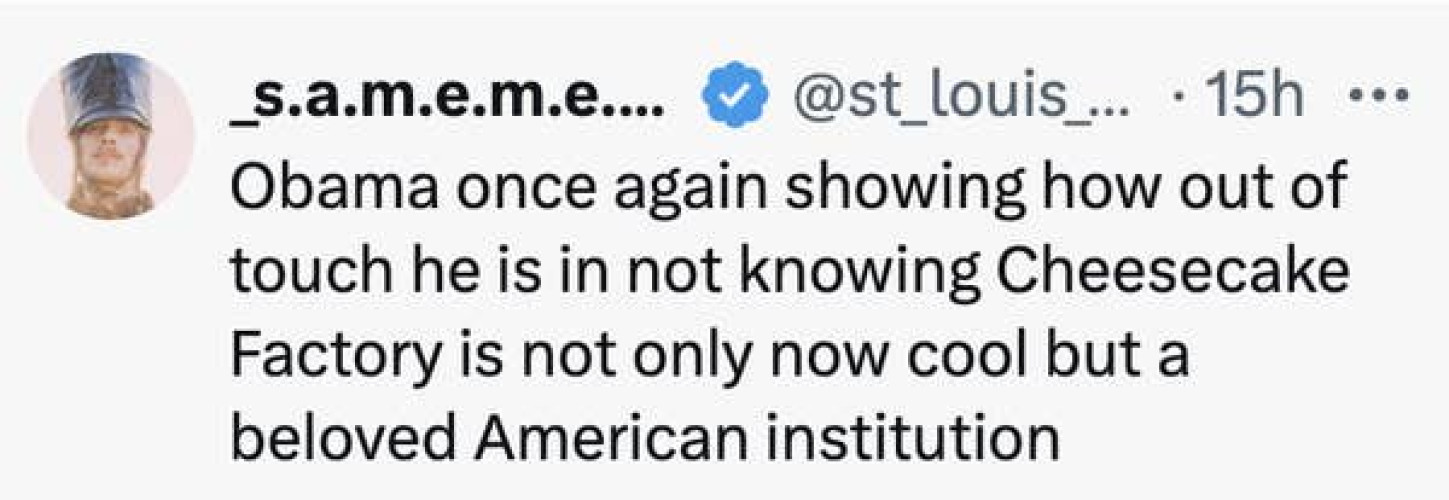
A critic accused Obama of failing to understand that The Cheesecake Factory is a popular American institution. At this point, the restaurant had been promoted from casual dining chain to national cultural treasure.
Somewhere, a brown bread basket was being asked to carry the weight of the republic.
5. The Portions Are Doing the Heavy Lifting
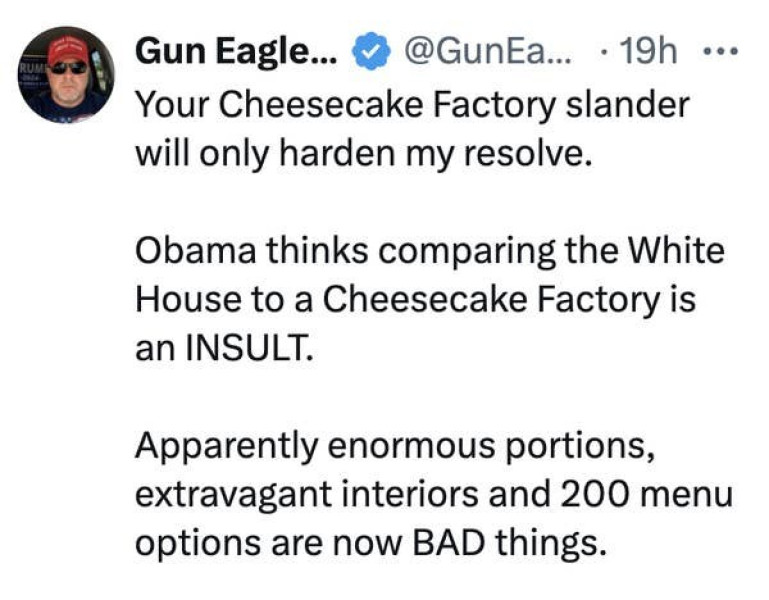
Another person defended the restaurant by comparing its strengths with the White House: big portions and plenty of choices. That argument is hard to dismiss. The Cheesecake Factory menu is so massive that ordering dinner can feel less like making a decision and more like applying for a small government grant.
6. Ellie A Hasn’t Been There Since 1993
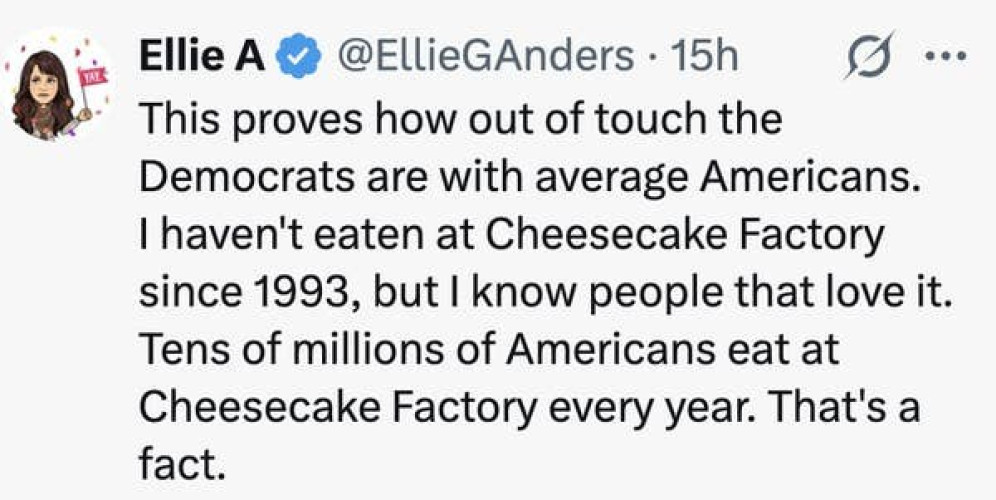
Ellie A accused Democrats of being out of touch, called The Cheesecake Factory popular, and added that she hadn’t eaten there since 1993.
That is an impressive combination: a forceful defense of a restaurant based on a visit that happened when “Jurassic Park” was still in theaters, cellphones were the size of bricks, and the internet was barely anyone’s problem.
7. Steve Guest Declares It High Class
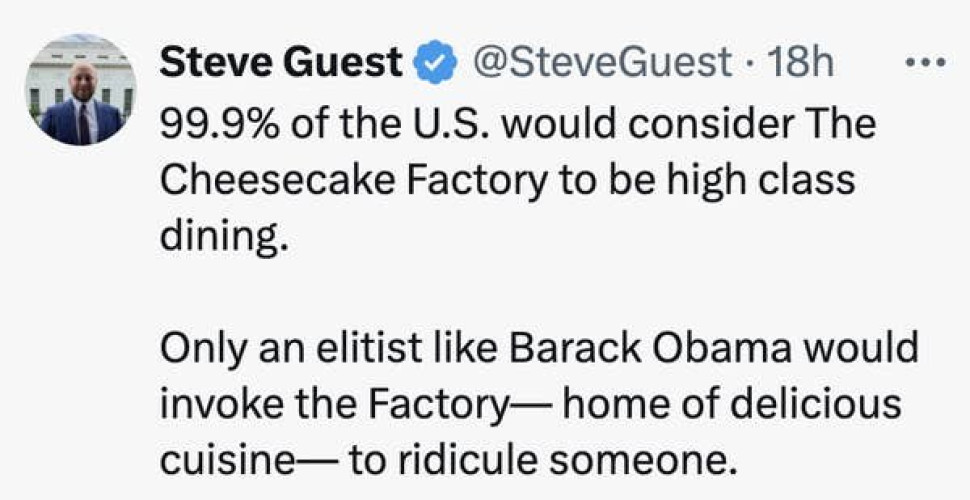
Steve Guest claimed that 99.9% of the country sees The Cheesecake Factory as high-class, then criticized Barack Obama for ridiculing it. In his framing, the restaurant isn’t merely a place where you order enough food to create leftovers for several unrelated meals. It’s a symbol of aspiration.
That is a lot of pressure to put on a slice of cheesecake.
8. The Restaurant Gets a Moment in the Spotlight
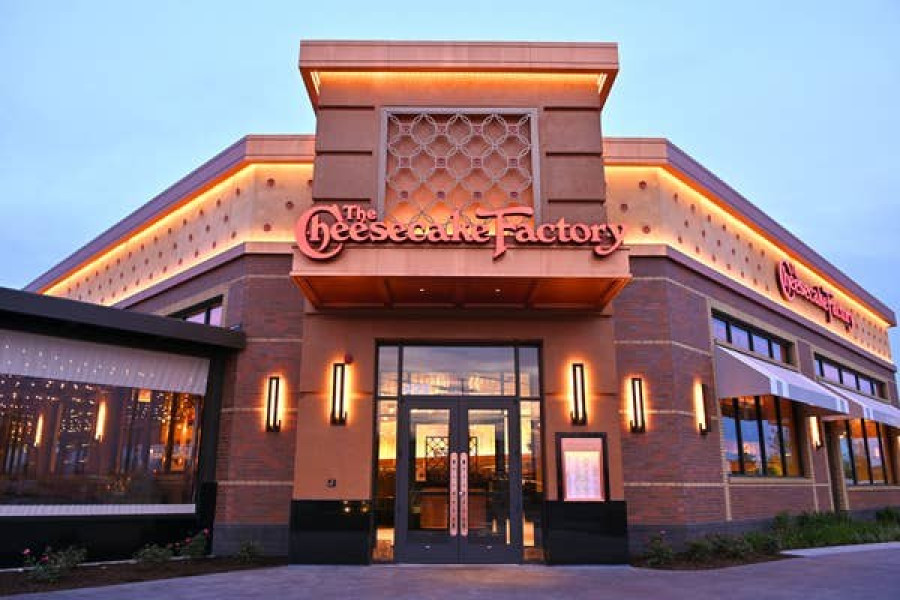
Amid all the arguments about class and culture, there was also a straightforward look at the restaurant itself: a Cheesecake Factory exterior with lit signage and a decorative facade.
And honestly, the building does have a look. The original joke was aimed at that maximalist design, not at the personal dignity of everyone who has ever ordered the avocado eggrolls.
9. Elaine Godfrey Makes the Bread Case
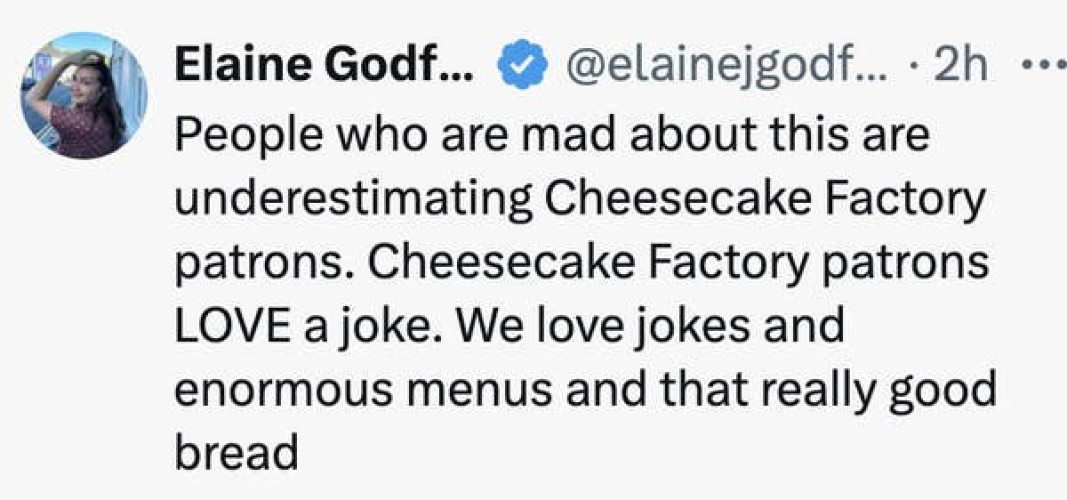
Elaine Godfrey joked that Cheesecake Factory customers love jokes, enormous menus, and good bread. It’s difficult to argue with that lineup. The bread arrives warm, the menu arrives looking like a novella, and suddenly the national debate feels slightly less urgent.
10. The Decor, Specifically
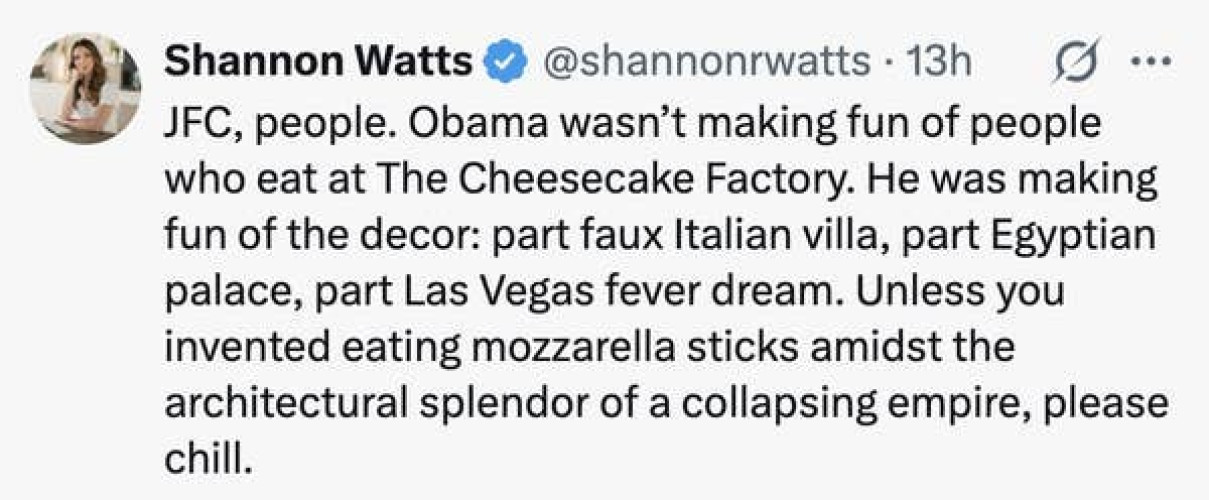
Another response clarified the point: Obama was mocking The Cheesecake Factory’s decor, not its customers. The restaurant’s style has been described as a collision of faux Italian, Egyptian, and Las Vegas influences, which is a remarkably specific design identity.
That clarification should have settled things. Instead, it made the argument even funnier. The country was no longer debating a joke about a building; it was litigating the restaurant’s interior design choices as though someone had submitted them for congressional review.
11. “Real Americans Love Cheesecake Factory”
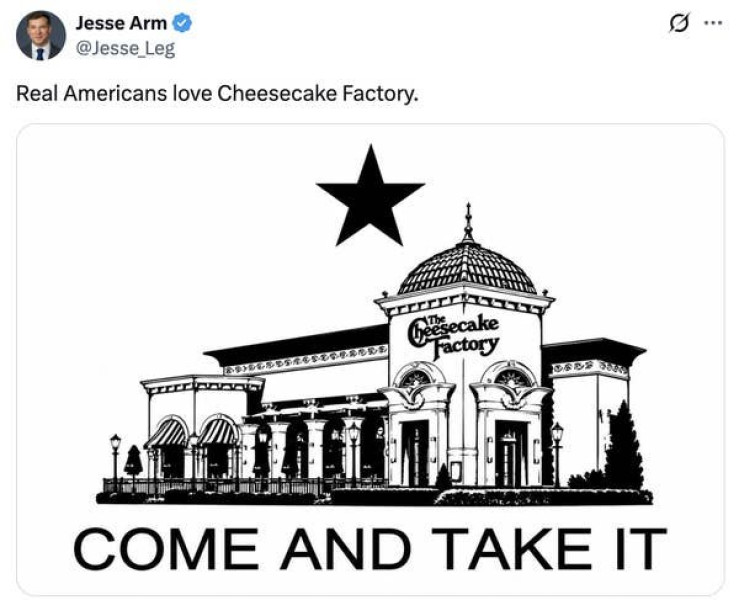
Jesse Arm’s response took the whole thing to its logical conclusion: “Real Americans love Cheesecake Factory.” The post paired the declaration with a parody “Come and Take It” logo, turning an ordinary restaurant preference into something closer to a rallying cry.
At that point, the Cheesecake Factory had survived criticism from both directions, been dragged into a class debate, defended as a national institution, and briefly transformed into a test of American identity. All because someone made a joke about a room looking like Saddam Hussein had discovered unlimited bread.
So yes, people can argue about the decor. They can argue about the menu, the prices, the portions, the social meaning of a chain restaurant, and whether anyone should be describing it as “high class.” But if this is what counts as a political food fight, at least somebody brought cheesecake.
Here’s how a throwaway line turned into a full-blown Cheesecake Factory crisis.
1. Scott Jennings Makes It About Trump’s Lifestyle
Scott Jennings fired back by criticizing the expensive lifestyle associated with Trump’s presidency. His response shifted the argument away from the restaurant’s decor and toward the broader question of who gets to mock luxury when politicians are surrounded by it.
2. Martha’s Vineyard Joins the Dinner Reservation
Another critic turned the spotlight back on Obama, suggesting that The Cheesecake Factory is for people who don’t have private chefs at Martha’s Vineyard. Suddenly, the issue wasn’t whether the restaurant’s interior is a lot. It was whether anyone in politics has the right to call anyone else out of touch.
3. The Menu Becomes a Political Strategy
One response pointed out that The Cheesecake Factory is both popular and profitable, then suggested political strategists are perfectly aware of that. Which is a fascinating place for campaign logic to end up: somewhere between voter outreach and a menu long enough to require a table of contents.
4. Is It an American Institution?
A critic accused Obama of failing to understand that The Cheesecake Factory is a popular American institution. At this point, the restaurant had been promoted from casual dining chain to national cultural treasure.
Somewhere, a brown bread basket was being asked to carry the weight of the republic.
5. The Portions Are Doing the Heavy Lifting
Another person defended the restaurant by comparing its strengths with the White House: big portions and plenty of choices. That argument is hard to dismiss. The Cheesecake Factory menu is so massive that ordering dinner can feel less like making a decision and more like applying for a small government grant.
6. Ellie A Hasn’t Been There Since 1993
Ellie A accused Democrats of being out of touch, called The Cheesecake Factory popular, and added that she hadn’t eaten there since 1993.
That is an impressive combination: a forceful defense of a restaurant based on a visit that happened when “Jurassic Park” was still in theaters, cellphones were the size of bricks, and the internet was barely anyone’s problem.
7. Steve Guest Declares It High Class
Steve Guest claimed that 99.9% of the country sees The Cheesecake Factory as high-class, then criticized Barack Obama for ridiculing it. In his framing, the restaurant isn’t merely a place where you order enough food to create leftovers for several unrelated meals. It’s a symbol of aspiration.
That is a lot of pressure to put on a slice of cheesecake.
8. The Restaurant Gets a Moment in the Spotlight
Amid all the arguments about class and culture, there was also a straightforward look at the restaurant itself: a Cheesecake Factory exterior with lit signage and a decorative facade.
And honestly, the building does have a look. The original joke was aimed at that maximalist design, not at the personal dignity of everyone who has ever ordered the avocado eggrolls.
9. Elaine Godfrey Makes the Bread Case
Elaine Godfrey joked that Cheesecake Factory customers love jokes, enormous menus, and good bread. It’s difficult to argue with that lineup. The bread arrives warm, the menu arrives looking like a novella, and suddenly the national debate feels slightly less urgent.
10. The Decor, Specifically
Another response clarified the point: Obama was mocking The Cheesecake Factory’s decor, not its customers. The restaurant’s style has been described as a collision of faux Italian, Egyptian, and Las Vegas influences, which is a remarkably specific design identity.
That clarification should have settled things. Instead, it made the argument even funnier. The country was no longer debating a joke about a building; it was litigating the restaurant’s interior design choices as though someone had submitted them for congressional review.
11. “Real Americans Love Cheesecake Factory”
Jesse Arm’s response took the whole thing to its logical conclusion: “Real Americans love Cheesecake Factory.” The post paired the declaration with a parody “Come and Take It” logo, turning an ordinary restaurant preference into something closer to a rallying cry.
At that point, the Cheesecake Factory had survived criticism from both directions, been dragged into a class debate, defended as a national institution, and briefly transformed into a test of American identity. All because someone made a joke about a room looking like Saddam Hussein had discovered unlimited bread.
So yes, people can argue about the decor. They can argue about the menu, the prices, the portions, the social meaning of a chain restaurant, and whether anyone should be describing it as “high class.” But if this is what counts as a political food fight, at least somebody brought cheesecake.