
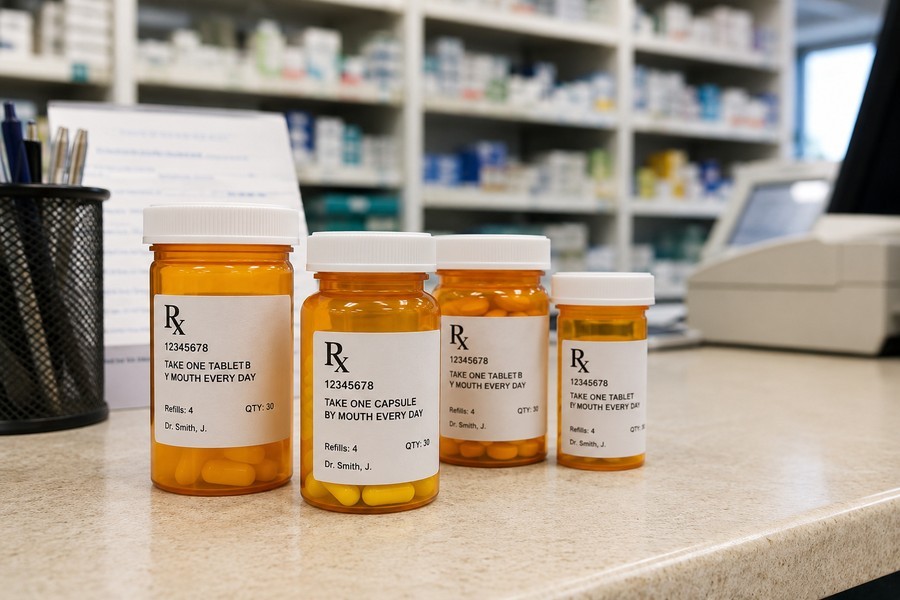
Federal Government and Major Retail Chain Resolve Long-Running Prescription Lawsuit
The nation’s largest retail corporation has reached an agreement with the federal government to end a major lawsuit. The legal battle accused the massive chain of contributing to the country’s serious prescription drug crisis by allowing its pharmacies to fill unlawful prescriptions. Both federal prosecutors and the retail giant confirmed they have settled the case, though neither side has shared the exact details or financial terms of the deal.
Details of the Legal Settlement
While the exact amount of money involved in the deal remains private, the retail giant stated in financial documents that the settlement cost was not large enough to hurt its business. To put this into perspective, the company reported a massive net income of over eleven billion dollars during a recent six-month period. Because of this high profit, the company described the settlement payment as minor.
In the agreement, the retail corporation did not admit to any wrongdoing. Federal prosecutors also chose not to share specific comments about the money involved. However, representatives from the government expressed satisfaction with the outcome. They emphasized that the agreement helps hold companies accountable when their prescription practices put local communities at risk.
The company also shared a positive message about the resolution, stating that they are glad to put the legal matter behind them. They added that they will keep supporting their pharmacy staff as they work to care for patients every day.
The Impact of the Prescription Crisis
The lawsuit was one of the most significant legal actions taken by the government against a single business regarding prescription pain medicines. Over a span of more than two and a half decades, more than 905,000 people in the country lost their lives to prescription drug overdoses, according to national health statistics. While yearly deaths have started to go down in recent years, the crisis remains a major public safety concern.
The government first brought the lawsuit forward several years ago, near the end of a presidential term. Prosecutors claimed that the retail giant repeatedly broke federal drug laws over a period of many years. Specifically, the government argued that the company's pharmacies ignored clear warning signs and failed to properly track and report suspicious orders for highly addictive pain medications.
When the case first started, officials warned that the retail chain could face billions of dollars in financial penalties if they lost in court. The recent resolution finally brings an end to this threat.
Other Legal Battles and Industry-Wide Pressure
This is not the first time the retail giant has faced legal trouble over prescription pain medications. A couple of years ago, the company agreed to pay over three billion dollars to settle thousands of different lawsuits brought by state, local, and tribal governments. Those lawsuits focused on the role the company's pharmacies played in the wider drug crisis.
Other major businesses in the healthcare and retail industries have faced similar legal battles:
- Other massive drug store chains reached even larger settlements to resolve similar claims about their pharmacy operations.
- A prominent painkiller manufacturer went bankrupt and pleaded guilty to criminal charges related to its highly addictive pain medicine.
- A major drug distribution company was also targeted by federal authorities for its role in supplying these medications.
How the Court Case Changed Over Time
Before the settlement was reached, a federal judge made decisions that significantly reduced the size of the government's lawsuit. Earlier this year, the judge threw out some of the government's major claims against the retailer.
The judge dismissed the following accusations:
- The claim that the retailer failed to report suspicious prescriptions to federal drug control officers.
- The claim that the company's pharmacists failed to properly document warning signs associated with certain prescriptions.