
Medical professionals regularly care for people in frightening, confusing, and unexpected situations. Most patients follow instructions carefully, but some misunderstand a treatment, misuse a medication, or make a risky decision that leads to an unforgettable emergency-room visit. The stories below describe 47 unusual patient situations shared by doctors, nurses, medical assistants, therapists, paramedics, and other healthcare workers. They range from harmless confusion to dangerous mistakes that required immediate medical attention.
Confusing Medical Advice
One emergency caller said he had accidentally stabbed himself in the torso while cutting something. The emergency operator told him not to remove the knife. The man then admitted that he had already pulled it out and asked what to do next. When the ambulance arrived, the responders discovered that he had put the knife back into his torso so he could follow the original instruction.
An employee at an obstetrics and gynecology clinic once received a call from a patient who said she needed a fallopian tube. The staff member asked whether she meant that she wanted her tubes tied. The patient explained that she was trying to become pregnant and believed she needed to obtain a fallopian tube. Instead, she was scheduled for an appointment focused on pregnancy planning and basic reproductive education.
Families sometimes misunderstand serious medical conditions as well. After a patient suffered a massive stroke and had no brain activity, relatives asked whether he could receive a brain transplant. In another case, a family was discussing organ donation after a severe stroke. The patient’s son solemnly offered to donate his own brain, apparently believing that the brain could be transferred to the patient.
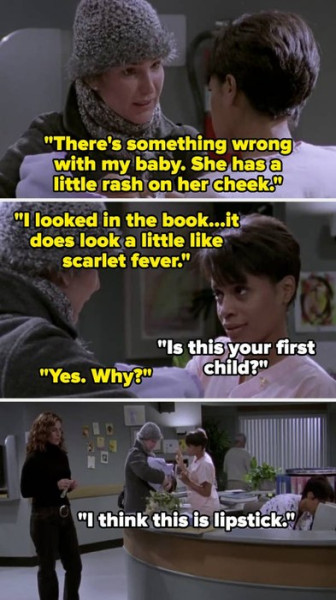
A mother brought her three-month-old baby to an emergency department because the child was laughing at what she considered an inappropriate time. The medical worker quickly confirmed that the infant was otherwise healthy and asked whether this was her first child. Another patient, preparing for eye surgery, was prescribed pills and returned only minutes later, worried about how she would place the medication into her eyes. A nurse had to explain that the pills should be swallowed.
Objects Used in the Wrong Way
During preparation for an MRI, a patient was handed orange earplugs to protect his hearing. Instead of placing them in his ears, he put them in his mouth and swallowed them. A different patient misunderstood how to use an inhaler. He had confused an albuterol inhaler with a nasal spray and pushed the mouthpiece into his nostril before spraying and inhaling. Staff then explained the difference between the two types of medication.
Another patient was given suppositories to treat a yeast infection. She called the clinic to report that she had swallowed all three but still had symptoms. The receptionist realized that the medication had been taken by mouth instead of being used as directed and transferred the matter to the doctor.

Some patients also place objects in parts of the body where they can become dangerous. A teenager inserted approximately 85 small magnetic beads into his penis. The magnets moved into his bladder, became looped together, and eventually required surgery. He said he had wanted to find out what the objects would feel like. Another young patient arrived after getting a fidget spinner stuck in the same area.
An older woman visited an emergency department because a cockroach had crawled across her ear. She knew the insect had fallen to the floor and understood that it was not inside her ear, but she still came in for emergency care. In another case, a patient with a history of knee replacements worried that the artificial joints would freeze during cold weather and would need to be thawed at a hospital. She was told that this could not happen.
Medication Mistakes and Dangerous Treatments
A person with arthritis decided to take the same medication prescribed for a dog because the pills appeared to be identical. The drug itself was the same, but the dosage for a small dog was much lower than the amount needed by a full-sized adult. The patient was advised not to take extra animal medication and learned that the human version was less expensive because insurance covered it.
One man with severe artery disease in his legs smoked heavily and complained that walking caused intense pain. He had been prescribed aspirin, a cholesterol-lowering medicine, and another medication to reduce his symptoms. He was also advised to stop smoking. Months later, his pain had become worse because he continued smoking and had taken none of the medications. When asked why, he said he disliked putting chemicals into his body.
During the COVID-19 pandemic, one patient with shortness of breath tested positive for the virus but said he did not believe COVID existed. Another patient with the same illness believed her symptoms were caused by a lack of boron. She took animal ivermectin, breathed in vaporized hydrogen peroxide, and ate borax, a substance found in some laundry and cleaning products. These actions created additional health risks instead of treating the infection.
A patient with severe seizures was discharged with a revised medication plan. Several months later, the seizures returned with greater intensity. The family explained that the patient’s wife had stopped giving the medicine because he seemed better and no longer appeared to have seizures. The treatment had controlled the symptoms, but stopping it allowed the condition to worsen.
Unexpected Explanations for Physical Symptoms
An older woman told emergency staff that green vines were growing from her vagina. Examination revealed a vine-like plant about six inches long. Doctors discovered that the woman had a mass caused by her uterus shifting downward. She had placed a potato inside her vagina to hold the uterus in place and later forgot about it. The plant had grown from the forgotten potato.
During a breast examination, another older patient said that one of her nipples was missing. The doctor showed her that it was still present by lifting the breast. She replied that she had not seen it in many years. During the same visit, she needed an injection in the buttock and was asked to lower her clothing slightly. She lifted her dress and revealed that she was not wearing underwear.
A patient arrived with what she believed were blue fingers and feared she was having a heart attack. The discoloration was actually dye from a new pair of jeans that had rubbed off onto her hands. A teenager who fell while hiking panicked because he could not feel his legs. However, he was moving them constantly while being treated. When questioned, he admitted that he had never really noticed what his legs felt like before. He later made a full recovery.
Another patient nearly severed a finger while chopping wood after drinking alcohol. The injury was especially serious because the person had already lost two fingers in earlier wood-cutting accidents. In a separate emergency, a woman injected melted pills into a large vein in her neck. She had tied a tourniquet around her neck, apparently applying the same idea used when injecting into an arm. She passed out from restricted oxygen rather than overdosing and regained consciousness while being taken to the hospital.
Misunderstood Requests and Hospital Expectations
A man accompanied his very pregnant wife to request a vasectomy. During the consultation, he asked whether he could keep his testicles after the procedure because he believed the operation involved removing them. Once the doctor explained that a vasectomy blocks the tubes that carry sperm and does not remove the testicles, he was visibly relieved.
A pregnant woman was asked to bring a urine sample to her next appointment. Instead of providing a small container, another patient saved her urine for two weeks. She arrived with seven large containers filled with urine, several glass jars, and bags carried by both her and her husband. She had misunderstood the request completely.
Hospital food can also lead to unrealistic demands. Some patients have asked for meals prepared specially by the cafeteria’s head chef, as though they were staying at a luxury resort. In reality, hospital cafeterias have limited menus and are designed to provide appropriate meals for patients, not custom restaurant service.
These accounts show how quickly a misunderstanding can become a medical problem. A misplaced object, an incorrectly used prescription, or a mistaken belief about the body may seem minor at first but can lead to injury, infection, or emergency treatment. Clear instructions, follow-up questions, and honest communication with healthcare workers can help prevent many of these situations. Even when the mistake seems embarrassing, telling medical staff exactly what happened gives them the best chance to provide safe and effective care.
Confusing Medical Advice
One emergency caller said he had accidentally stabbed himself in the torso while cutting something. The emergency operator told him not to remove the knife. The man then admitted that he had already pulled it out and asked what to do next. When the ambulance arrived, the responders discovered that he had put the knife back into his torso so he could follow the original instruction.
An employee at an obstetrics and gynecology clinic once received a call from a patient who said she needed a fallopian tube. The staff member asked whether she meant that she wanted her tubes tied. The patient explained that she was trying to become pregnant and believed she needed to obtain a fallopian tube. Instead, she was scheduled for an appointment focused on pregnancy planning and basic reproductive education.
Families sometimes misunderstand serious medical conditions as well. After a patient suffered a massive stroke and had no brain activity, relatives asked whether he could receive a brain transplant. In another case, a family was discussing organ donation after a severe stroke. The patient’s son solemnly offered to donate his own brain, apparently believing that the brain could be transferred to the patient.
A mother brought her three-month-old baby to an emergency department because the child was laughing at what she considered an inappropriate time. The medical worker quickly confirmed that the infant was otherwise healthy and asked whether this was her first child. Another patient, preparing for eye surgery, was prescribed pills and returned only minutes later, worried about how she would place the medication into her eyes. A nurse had to explain that the pills should be swallowed.
Objects Used in the Wrong Way
During preparation for an MRI, a patient was handed orange earplugs to protect his hearing. Instead of placing them in his ears, he put them in his mouth and swallowed them. A different patient misunderstood how to use an inhaler. He had confused an albuterol inhaler with a nasal spray and pushed the mouthpiece into his nostril before spraying and inhaling. Staff then explained the difference between the two types of medication.
Another patient was given suppositories to treat a yeast infection. She called the clinic to report that she had swallowed all three but still had symptoms. The receptionist realized that the medication had been taken by mouth instead of being used as directed and transferred the matter to the doctor.
Some patients also place objects in parts of the body where they can become dangerous. A teenager inserted approximately 85 small magnetic beads into his penis. The magnets moved into his bladder, became looped together, and eventually required surgery. He said he had wanted to find out what the objects would feel like. Another young patient arrived after getting a fidget spinner stuck in the same area.
An older woman visited an emergency department because a cockroach had crawled across her ear. She knew the insect had fallen to the floor and understood that it was not inside her ear, but she still came in for emergency care. In another case, a patient with a history of knee replacements worried that the artificial joints would freeze during cold weather and would need to be thawed at a hospital. She was told that this could not happen.
Medication Mistakes and Dangerous Treatments
A person with arthritis decided to take the same medication prescribed for a dog because the pills appeared to be identical. The drug itself was the same, but the dosage for a small dog was much lower than the amount needed by a full-sized adult. The patient was advised not to take extra animal medication and learned that the human version was less expensive because insurance covered it.
One man with severe artery disease in his legs smoked heavily and complained that walking caused intense pain. He had been prescribed aspirin, a cholesterol-lowering medicine, and another medication to reduce his symptoms. He was also advised to stop smoking. Months later, his pain had become worse because he continued smoking and had taken none of the medications. When asked why, he said he disliked putting chemicals into his body.
During the COVID-19 pandemic, one patient with shortness of breath tested positive for the virus but said he did not believe COVID existed. Another patient with the same illness believed her symptoms were caused by a lack of boron. She took animal ivermectin, breathed in vaporized hydrogen peroxide, and ate borax, a substance found in some laundry and cleaning products. These actions created additional health risks instead of treating the infection.
A patient with severe seizures was discharged with a revised medication plan. Several months later, the seizures returned with greater intensity. The family explained that the patient’s wife had stopped giving the medicine because he seemed better and no longer appeared to have seizures. The treatment had controlled the symptoms, but stopping it allowed the condition to worsen.
Unexpected Explanations for Physical Symptoms
An older woman told emergency staff that green vines were growing from her vagina. Examination revealed a vine-like plant about six inches long. Doctors discovered that the woman had a mass caused by her uterus shifting downward. She had placed a potato inside her vagina to hold the uterus in place and later forgot about it. The plant had grown from the forgotten potato.
During a breast examination, another older patient said that one of her nipples was missing. The doctor showed her that it was still present by lifting the breast. She replied that she had not seen it in many years. During the same visit, she needed an injection in the buttock and was asked to lower her clothing slightly. She lifted her dress and revealed that she was not wearing underwear.
A patient arrived with what she believed were blue fingers and feared she was having a heart attack. The discoloration was actually dye from a new pair of jeans that had rubbed off onto her hands. A teenager who fell while hiking panicked because he could not feel his legs. However, he was moving them constantly while being treated. When questioned, he admitted that he had never really noticed what his legs felt like before. He later made a full recovery.
Another patient nearly severed a finger while chopping wood after drinking alcohol. The injury was especially serious because the person had already lost two fingers in earlier wood-cutting accidents. In a separate emergency, a woman injected melted pills into a large vein in her neck. She had tied a tourniquet around her neck, apparently applying the same idea used when injecting into an arm. She passed out from restricted oxygen rather than overdosing and regained consciousness while being taken to the hospital.
Misunderstood Requests and Hospital Expectations
A man accompanied his very pregnant wife to request a vasectomy. During the consultation, he asked whether he could keep his testicles after the procedure because he believed the operation involved removing them. Once the doctor explained that a vasectomy blocks the tubes that carry sperm and does not remove the testicles, he was visibly relieved.
A pregnant woman was asked to bring a urine sample to her next appointment. Instead of providing a small container, another patient saved her urine for two weeks. She arrived with seven large containers filled with urine, several glass jars, and bags carried by both her and her husband. She had misunderstood the request completely.
Hospital food can also lead to unrealistic demands. Some patients have asked for meals prepared specially by the cafeteria’s head chef, as though they were staying at a luxury resort. In reality, hospital cafeterias have limited menus and are designed to provide appropriate meals for patients, not custom restaurant service.
These accounts show how quickly a misunderstanding can become a medical problem. A misplaced object, an incorrectly used prescription, or a mistaken belief about the body may seem minor at first but can lead to injury, infection, or emergency treatment. Clear instructions, follow-up questions, and honest communication with healthcare workers can help prevent many of these situations. Even when the mistake seems embarrassing, telling medical staff exactly what happened gives them the best chance to provide safe and effective care.