
Fear of Disease Keeps Expectant Mothers Away from Lifesaving Medical Care
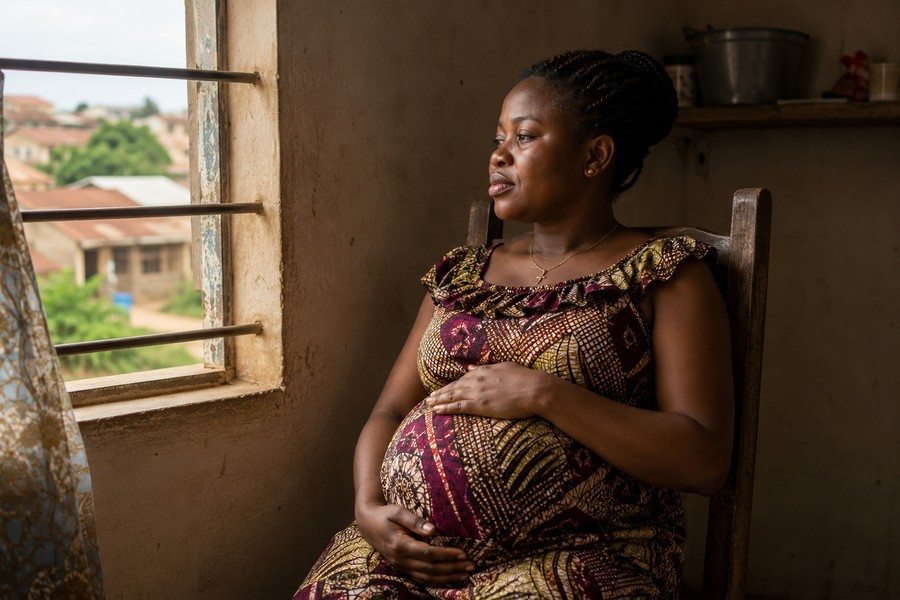
A pregnant woman named Esther Lutula made a difficult decision shortly after a dangerous disease outbreak began spreading in her region. At 26 years old and midway through her pregnancy, she stopped attending her regular prenatal checkups. She worried that if she developed a normal pregnancy fever, doctors would mistake it for the deadly virus and force her into isolation.
She decided to stay home in the city of Bunia, hoping to wait until the health crisis passed. However, medical experts warn that avoiding professional care can lead to tragic consequences for pregnant women and their unborn children.
A Hidden Crisis for New Mothers
In the region of Ituri, the number of women dying from childbirth complications has doubled since the start of the outbreak. Before the disease began to spread, an average of about three women died each week due to pregnancy-related issues. That number quickly climbed to nearly six deaths per week.
At the same time, more women are giving birth at home or in unsafe environments without professional help. The percentage of maternal deaths occurring outside of medical clinics nearly doubled, jumping from under 10% to over 17% in just a short period.
This situation is part of a larger, ongoing struggle with maternal health across Sub-Saharan Africa. The continent has the fastest-growing population in the world and accounts for 70% of all maternal deaths globally, with roughly 180,000 women dying every year from pregnancy complications.
Why Pregnant Women Are Avoiding Clinics
While it is common for people to avoid medical facilities during major health emergencies, the fear surrounding this particular virus is especially intense. Several factors are keeping expectant mothers away from the help they need:
- Fear of Quarantine: Many women worry that normal pregnancy symptoms, like a mild fever, will be misdiagnosed as the virus, causing them to be separated from their families.
- Rumors and Distrust: Misinformation has spread through communities, causing some residents to doubt whether the virus is even real, while others fear they will catch the illness just by visiting a clinic.
- Threats of Violence: Angry and confused residents have occasionally targeted treatment centers, making these locations feel unsafe for patients and staff alike.
- Dwindling Resources: Local clinics are struggling to cope. At one local facility, the number of women signing up for prenatal care dropped from 60 per month to only about 10.
Some pregnant residents explain that they plan to avoid hospitals as much as possible, choosing to trust that everything is fine as long as they can still feel their babies moving.
One of the Most Dangerous Places to Give Birth
Even in normal times, giving birth in this part of Africa carries high risks. Women in this nation have nearly six children on average. In a single recent year, approximately 19,000 women died from pregnancy-related complications, placing the country alongside India as having the second-highest number of maternal deaths in the world, behind only Nigeria.
The current outbreak has made a fragile situation much worse. The virus, which causes severe illness and is often fatal, has already claimed more than 1,600 lives. There is currently no approved vaccine or cure for this specific strain, which spreads easily through contact with bodily fluids or contaminated items like bedding.
A Healthcare System Under Extreme Strain
The outbreak has overwhelmed local clinics and hospitals. To fight the virus, medical facilities have had to redirect their staff and limited supplies away from standard services, leaving very few resources for maternity care.
The crisis has also taken a heavy toll on medical professionals. Dozens of healthcare workers have lost their lives after catching the virus. Many others have walked away from their jobs to protest unpaid wages, and there have been at least 12 recorded attacks on medical teams and clinics.
Local doctors and health teams continue to work day and night to educate the public about the dangers of the disease, even as they face safety risks and a lack of resources.
The Double Threat for Women
Women face a disproportionately high risk during this health crisis. Because women are typically the primary caregivers for sick family members and make up a large portion of the frontline medical workforce, they are highly exposed to the virus.
If a pregnant woman contracts the illness, she faces a much higher risk of severe complications, including miscarriage. However, health advocates point out that the fear of the virus is just as dangerous as the disease itself. When women stay home to avoid the clinics, they lose access to the basic, lifesaving care that could protect them during childbirth.