
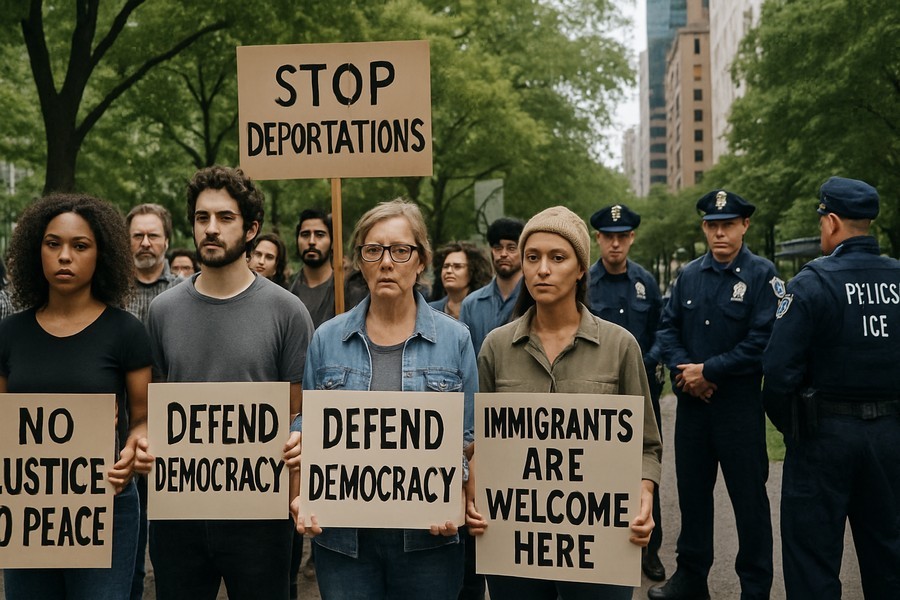
Large-Scale Anti-Immigration Enforcement Protests Slated to Occur Nationwide
Over the course of the impending weekend, an estimated 300 protest events are anticipated to take place all over the country. The rallying cry of the protesters is a call to have Immigration and Customs Enforcement (ICE) agents removed from communities. This nationwide call to action has been sparked by a string of tragic incidents linked to federal immigration officers.
Root Cause of the Protests
An organization at the forefront of this movement, which chooses to remain unnamed, has stated that the protests are a direct response to a series of fatal incidents involving federal immigration agents. The deaths include two fatal shootings in Minneapolis, a murder within a Texas immigration detention center, and an ICE officer's shooting in Los Angeles.
Activists argue that these events are part of a larger trend of excessive use of force, abuse within detention centers, and the militarization of immigration enforcement. They believe that these events have laid bare the severity of the current situation for many previously unaware citizens.
The Protest Agenda
The forms of protest planned are diverse. They range from vigils for the deceased and detainees of ICE, to banner actions on overpasses, sidewalk demonstrations, marches, and even community training sessions. The latter is aimed at educating individuals on how to observe ICE's actions and lobby elected officials to oppose stringent immigration policies.
Protests are set to occur in both large cities and smaller towns, from the West Coast to the East Coast. The locations targeted for these demonstrations include ICE detention centers, field offices, and the offices of lawmakers. Some protesters plan to gather at airports to voice their opposition to airlines involved in federal deportations.
Calls for Policy Changes
Protesters are not merely expressing dissatisfaction. They are also urging legislators to halt funding for the Department of Homeland Security until ICE and Customs and Border Protection agents are withdrawn from communities. Some lawmakers have already shown support for these demands by calling for reforms in ICE as part of a broader government spending bill. The proposed changes include implementing a code of conduct for ICE and initiating independent investigations into ICE operations.
Economic Pressure and Boycotts
Besides street protests, demonstrators are also seeking to apply economic pressure on entities they believe support ICE's operations. Campaigns such as "No Housing for ICE" encourage people to boycott hotels that offer accommodation to immigration enforcement officers during operations. Another campaign urges local businesses, including restaurants and retailers, to deny service to federal immigration agents.
Major corporations that are perceived to be supportive of ICE operations are also targeted. In recent years, ICE has detained individuals at these retailers, leading protesters to demand that these corporations take a stand against immigration enforcement.
Building Momentum
These nationwide protests are the culmination of several weeks of demonstrations sparked by a tragic incident involving ICE in early January. Tens of thousands of citizens marched in Minnesota to demand that ICE leave their city. The protest gained further momentum when local businesses closed in solidarity with the protesters.
Despite the scale of the protests, organizers say their demands, particularly calls for legal accountability for ICE officers involved in civilian deaths, remain unmet. However, they remain hopeful, expressing gratitude for the continued action and encouraging more people to raise their voices until their demands are met.