My mother kept asking why I didn’t have children. I kept giving her the same answer, while keeping the real one to myself: my husband had HIV, and we had promised not to tell anyone.
As a little girl in Brooklyn, I loved my Betsy Wetsy doll, a 1950s toy you could feed with a bottle before it soaked its diaper. “Oops! She has to be changed,” I’d call to my mother. Taking care of Betsy made me feel like a mom. I figured I’d be one someday, too. Life had other plans.
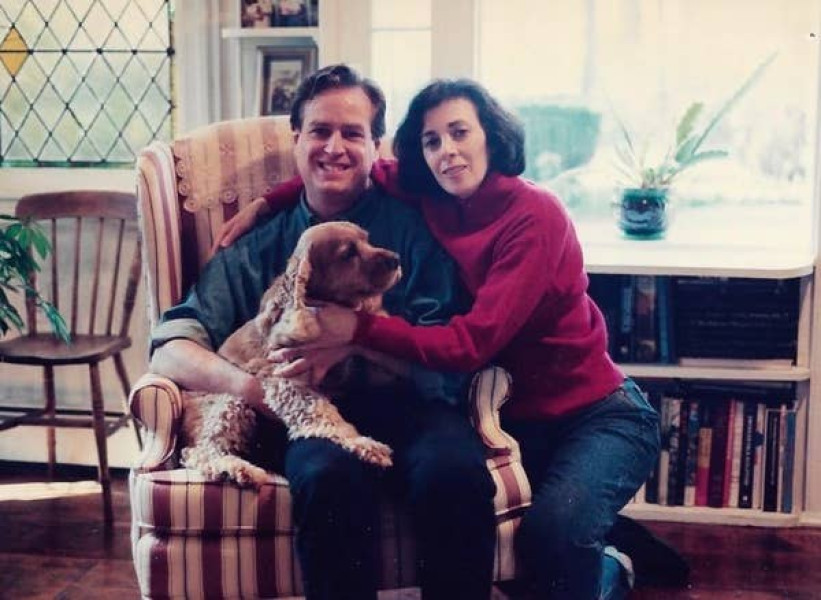
Steve, the love of my life, and I were married for 45 years. We loved each other deeply, but we never had children. People around us treated that as a public problem they’d been assigned to solve.
The decision we thought we could revisit
Three months after our wedding, I found out I was pregnant. We hadn’t planned it, and we didn’t think we were ready. Our Greenwich Village apartment was in a tenement, four flights up with no elevator. I had just started a master’s program, and Steve hated his new teaching job.
“It’s just too soon for us now,” he said.
Abortion had recently become legal in New York. I called Planned Parenthood, made an appointment, and paid $175 in cash. We told each other we were doing the right thing and that we’d have other chances. At the time, the decision seemed easy. We didn’t know there wouldn’t be other chances.
A year later, my gynecologist found huge fibroids pressing against my uterus. He said its shape could make it difficult to carry a pregnancy to term and that I would probably miscarry. Steve and I were ambivalent about having children then. He often said he didn’t have a “burning desire.” Neither did I, not yet.
That changed when I turned 37 in 1985. Steve was 36. Our jobs were secure, we were happy together, and suddenly I wanted a child desperately. I wondered if this was our moment. Then something else demanded our attention.
A test changed the question
AIDS was appearing more often in the news, but people around us knew little about the disease or how it spread. In the West Village, I saw people with AIDS becoming visibly ill as they made their way along familiar streets. They were facing a deadly disease and terrible stigma, with little information and no medications. A blood test to detect HIV had just become available.
Steve and I had both had other partners before our marriage, and occasionally during it. Before trying for a baby, we decided to get tested. In 1986, I tested negative. Steve tested positive.
The test couldn’t tell us when he had contracted HIV. Steve pleaded with me to keep his diagnosis secret. He planned to tell his brothers he had a blood disorder in case he became ill. I agreed. My life felt like a nightmare.
We told our personal doctors, but Steve asked me to promise not to tell anyone else. I promised. Then came the rule that shaped the rest of our marriage: we couldn’t have sex.
There would be no baby for us. My mother kept asking why we didn’t have children. I kept answering that it wasn’t right for us. She didn’t know what we were carrying, and we couldn’t tell her.
Everyone had an opinion
My mother called me selfish. She said I cared more about my work and lifestyle than becoming a parent. My cousin Susan, a Southern Baptist and mother of two, had a different verdict: not having a child was against the Lord’s will. My mother’s second husband had his own question: why get married if you never intended to have children?
As my childbearing years began to run out, my mother warned that I’d regret it when I was older, like her Aunt Laura, who was alone. She didn’t know I wanted a child by then. She didn’t know why having one had become so complicated.
Doctors and my therapist offered suggestions, but none made the choice easy. My therapist thought I was too young to go without sex and suggested affairs. My gynecologist raised artificial insemination, then told me to consider the possibility of becoming a single mother. He had already warned me that my uterus could make carrying a pregnancy difficult. I couldn’t imagine life without Steve. And the more I understood that my chances of becoming pregnant were shrinking, the more I fantasized about motherhood.
We also looked into adoption. After talking with several agencies, we learned we’d have a hard time being accepted, perhaps an impossible one. They didn’t want to risk placing a baby in a household that might become a single-parent home.
So Steve and I built the life we could. We focused on our careers, bought a house in the country, and adopted Cassie, a brown-and-white cocker spaniel from a local shelter. She wasn’t a child, but we adored her. In many ways, she was our baby.
Steve’s HIV never progressed to AIDS. Experimental medications, a careful diet, a healthy lifestyle, and good luck all played a part. For years, we kept going together, with his diagnosis tucked away in our private life.
Steve’s last gift
Cassie died shortly before COVID hit. In 2022, when I was 71, Steve went into intensive care with a highly contagious strain of pneumonia that developed after cancer surgery. While he was in the hospital, he used his iPad to search for a puppy.
“Annie, you need a dog,” he typed. “I found one—Romeo.”
Several weeks later, the night before Steve died, I held his hand as nurses prepared to disconnect him from life support. I told him, “I love you. I would not have chosen any other life than the one we’ve had together.”
He smiled.
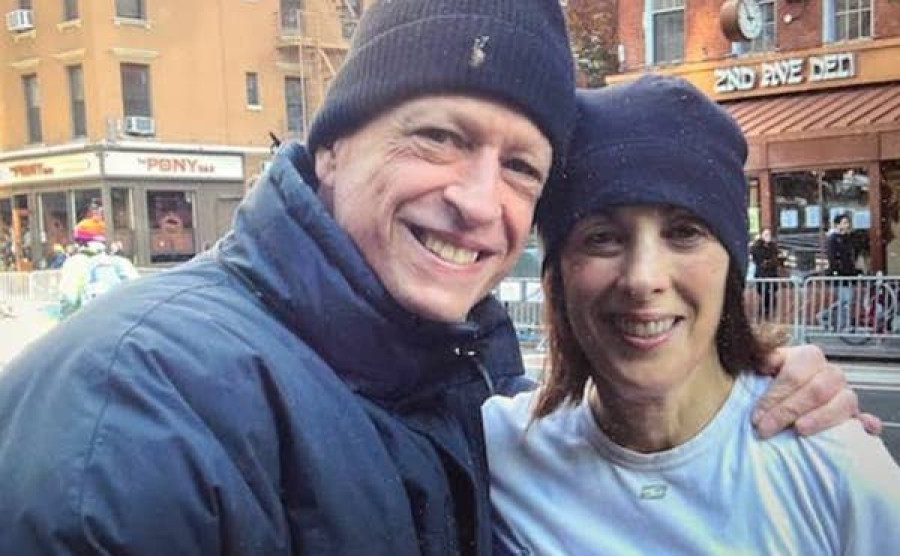
I meant it. I never wished I’d married someone else. Steve and I had a wonderful life, despite the illness and the hardships it brought. We had each other.
I did wish I could have had a child. But not having children didn’t leave me alone. My brother and stepsister have children and grandchildren who have been a huge part of my life. I’ve watched them grow, and we care deeply about each other. I have close friends and a vibrant community, too.
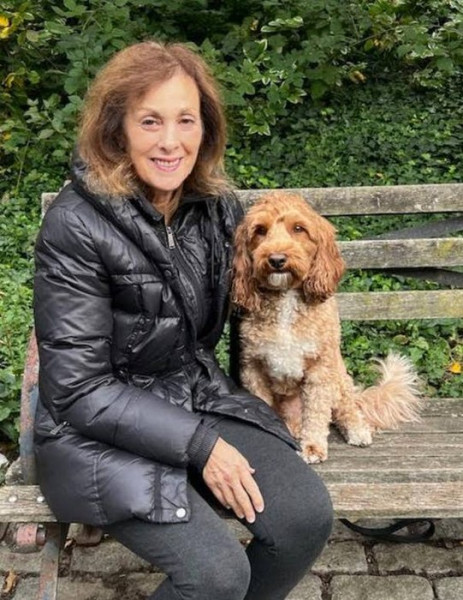
And I have Romeo, the mini goldendoodle Steve found for me. I met him a few weeks after Steve died. He follows me from room to room and has brought joy into the middle of my grief. I think of him as Steve’s parting gift: one last way he looked out for my happiness.
My mother was right that I would have loved to have a child. She was wrong about what my life would mean without one. When she was close to death, I finally told her about Steve’s diagnosis. She had tears in her eyes and whispered, “I understand.”
My life didn’t turn out the way my mother expected, or the way I once imagined. It was still beautiful. I spent 45 years with a man who loved me, and found ways to feel motherly love and stay connected to the people around me.
Have you ever kept a life-changing secret from someone you love?
As a little girl in Brooklyn, I loved my Betsy Wetsy doll, a 1950s toy you could feed with a bottle before it soaked its diaper. “Oops! She has to be changed,” I’d call to my mother. Taking care of Betsy made me feel like a mom. I figured I’d be one someday, too. Life had other plans.
Steve, the love of my life, and I were married for 45 years. We loved each other deeply, but we never had children. People around us treated that as a public problem they’d been assigned to solve.
The decision we thought we could revisit
Three months after our wedding, I found out I was pregnant. We hadn’t planned it, and we didn’t think we were ready. Our Greenwich Village apartment was in a tenement, four flights up with no elevator. I had just started a master’s program, and Steve hated his new teaching job.
“It’s just too soon for us now,” he said.
Abortion had recently become legal in New York. I called Planned Parenthood, made an appointment, and paid $175 in cash. We told each other we were doing the right thing and that we’d have other chances. At the time, the decision seemed easy. We didn’t know there wouldn’t be other chances.
A year later, my gynecologist found huge fibroids pressing against my uterus. He said its shape could make it difficult to carry a pregnancy to term and that I would probably miscarry. Steve and I were ambivalent about having children then. He often said he didn’t have a “burning desire.” Neither did I, not yet.
That changed when I turned 37 in 1985. Steve was 36. Our jobs were secure, we were happy together, and suddenly I wanted a child desperately. I wondered if this was our moment. Then something else demanded our attention.
A test changed the question
AIDS was appearing more often in the news, but people around us knew little about the disease or how it spread. In the West Village, I saw people with AIDS becoming visibly ill as they made their way along familiar streets. They were facing a deadly disease and terrible stigma, with little information and no medications. A blood test to detect HIV had just become available.
Steve and I had both had other partners before our marriage, and occasionally during it. Before trying for a baby, we decided to get tested. In 1986, I tested negative. Steve tested positive.
The test couldn’t tell us when he had contracted HIV. Steve pleaded with me to keep his diagnosis secret. He planned to tell his brothers he had a blood disorder in case he became ill. I agreed. My life felt like a nightmare.
We told our personal doctors, but Steve asked me to promise not to tell anyone else. I promised. Then came the rule that shaped the rest of our marriage: we couldn’t have sex.
There would be no baby for us. My mother kept asking why we didn’t have children. I kept answering that it wasn’t right for us. She didn’t know what we were carrying, and we couldn’t tell her.
Everyone had an opinion
My mother called me selfish. She said I cared more about my work and lifestyle than becoming a parent. My cousin Susan, a Southern Baptist and mother of two, had a different verdict: not having a child was against the Lord’s will. My mother’s second husband had his own question: why get married if you never intended to have children?
As my childbearing years began to run out, my mother warned that I’d regret it when I was older, like her Aunt Laura, who was alone. She didn’t know I wanted a child by then. She didn’t know why having one had become so complicated.
Doctors and my therapist offered suggestions, but none made the choice easy. My therapist thought I was too young to go without sex and suggested affairs. My gynecologist raised artificial insemination, then told me to consider the possibility of becoming a single mother. He had already warned me that my uterus could make carrying a pregnancy difficult. I couldn’t imagine life without Steve. And the more I understood that my chances of becoming pregnant were shrinking, the more I fantasized about motherhood.
We also looked into adoption. After talking with several agencies, we learned we’d have a hard time being accepted, perhaps an impossible one. They didn’t want to risk placing a baby in a household that might become a single-parent home.
So Steve and I built the life we could. We focused on our careers, bought a house in the country, and adopted Cassie, a brown-and-white cocker spaniel from a local shelter. She wasn’t a child, but we adored her. In many ways, she was our baby.
Steve’s HIV never progressed to AIDS. Experimental medications, a careful diet, a healthy lifestyle, and good luck all played a part. For years, we kept going together, with his diagnosis tucked away in our private life.
Steve’s last gift
Cassie died shortly before COVID hit. In 2022, when I was 71, Steve went into intensive care with a highly contagious strain of pneumonia that developed after cancer surgery. While he was in the hospital, he used his iPad to search for a puppy.
“Annie, you need a dog,” he typed. “I found one—Romeo.”
Several weeks later, the night before Steve died, I held his hand as nurses prepared to disconnect him from life support. I told him, “I love you. I would not have chosen any other life than the one we’ve had together.”
He smiled.
I meant it. I never wished I’d married someone else. Steve and I had a wonderful life, despite the illness and the hardships it brought. We had each other.
I did wish I could have had a child. But not having children didn’t leave me alone. My brother and stepsister have children and grandchildren who have been a huge part of my life. I’ve watched them grow, and we care deeply about each other. I have close friends and a vibrant community, too.
And I have Romeo, the mini goldendoodle Steve found for me. I met him a few weeks after Steve died. He follows me from room to room and has brought joy into the middle of my grief. I think of him as Steve’s parting gift: one last way he looked out for my happiness.
My mother was right that I would have loved to have a child. She was wrong about what my life would mean without one. When she was close to death, I finally told her about Steve’s diagnosis. She had tears in her eyes and whispered, “I understand.”
My life didn’t turn out the way my mother expected, or the way I once imagined. It was still beautiful. I spent 45 years with a man who loved me, and found ways to feel motherly love and stay connected to the people around me.
Have you ever kept a life-changing secret from someone you love?