
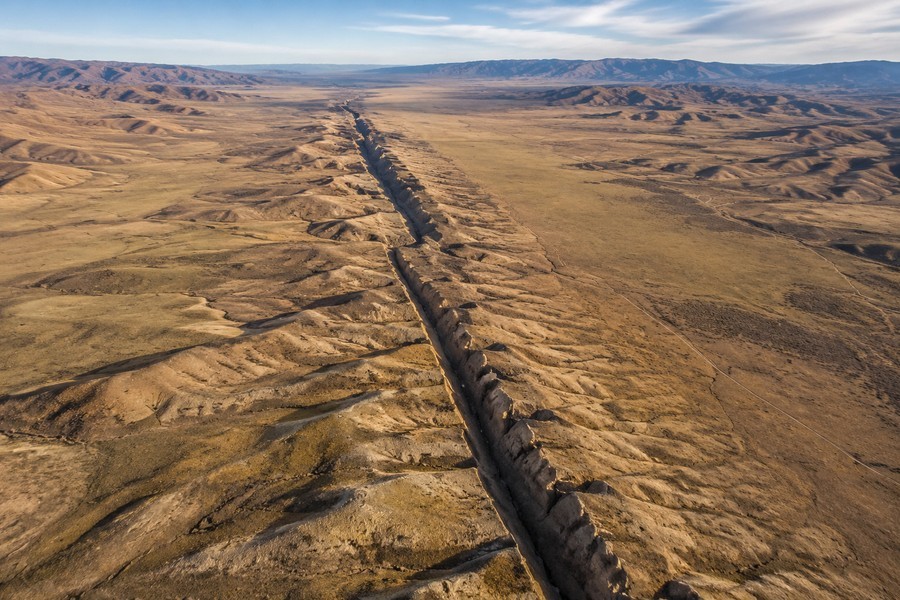
New Studies Reveal the San Andreas Fault Is Moving Faster Than Expected
A recent minor earthquake shook the ground near a local zoo, serving as a quick reminder of the active earth beneath our feet. The small tremor, which registered around a 3.8 magnitude, was felt by residents many miles away. While this specific event caused no major damage, it has drawn fresh attention to a much larger hazard nearby. New scientific investigations show that the famous San Andreas Fault is slipping at a faster rate than previously estimated.
This discovery comes from researchers who have been studying the physical landscape to understand how the earth has shifted over thousands of years. By analyzing these natural landforms, scientists can paint a clearer picture of past seismic activity and estimate what might happen in the future.
A Constant and Rapid Shift
The research took place in a county park, where scientists examined how previous earthquakes altered the terrain. The lead geologist on the project explained that the land preserves a physical record of past movements. By studying these patterns, the team was able to track the fault's behavior over a 10,000-year timeframe.
Before this study, many believed that the movement along this particular section of the fault might be slowing down. However, the new data reveals a different story. The rate of movement is actually staying constant. Even more concerning is that this rate matches the faster-moving northern section of the fault line. The fact that the fault is maintaining this high speed over thousands of years suggests that the underground forces are much more active than older models predicted.
Why Faster Movement Matters
Why does the speed of a fault line matter so much to the average person? The answer lies in how energy builds up underground. Earthquakes happen when tectonic plates grind past each other, get stuck, and then suddenly slip. When a fault moves at a faster rate, it accumulates stress more quickly. Because of this, faster-moving faults generally produce earthquakes more frequently than slower ones.
The region has a long history of major seismic events. Two of the most famous and destructive earthquakes in regional history occurred along this very fault zone:
- The devastating historical disaster of 1906, which caused widespread damage to major cities.
- The powerful 1989 Loma Prieta earthquake, which collapsed infrastructure and caused significant damage.
Treating Preparedness Like Insurance
Although this new study is still waiting to be officially published and peer-reviewed by other experts, the researchers emphasize that residents should not wait to take action. Living near a major plate boundary means that future earthquakes are inevitable. While we cannot predict exactly when the ground will shake, we can control how ready we are.
The lead scientist compared earthquake preparation to buying insurance. Most people purchase car or home insurance with the hope that they will never actually have to use it. However, having that protection provides peace of mind and vital support during a crisis. In the same way, preparing an emergency kit and a household plan can help families manage the physical and emotional trauma of a major natural disaster.
To protect yourself and your household, experts recommend taking several basic steps to prepare:
- Build an emergency kit containing at least three days of water and non-perishable food for everyone in the home.
- Keep a well-stocked first-aid kit, essential medications, and copies of important documents in a waterproof container.
- Store flashlights, portable radios, and extra batteries in easily accessible locations.
- Create a family communication plan so everyone knows where to meet and how to contact each other if phone lines are down.
- Secure heavy furniture, such as bookshelves and television sets, to the walls to prevent them from tipping over during shaking.
While the new findings about the fault's speed might seem alarming, they also provide valuable information. Having accurate data allows scientists, city planners, and emergency services to better understand the risks and build safer, more resilient communities. For everyday residents, it serves as a reminder to check emergency supplies and make sure their families are ready for the next shift in the earth.