
Preparing for Disasters: Your Questions Answered
Many people have been asking questions about how to prepare for disasters. We have invited an Emergency Management Specialist to answer some of these questions and help the public understand what to do in case of a disaster.
Storing Emergency Supplies
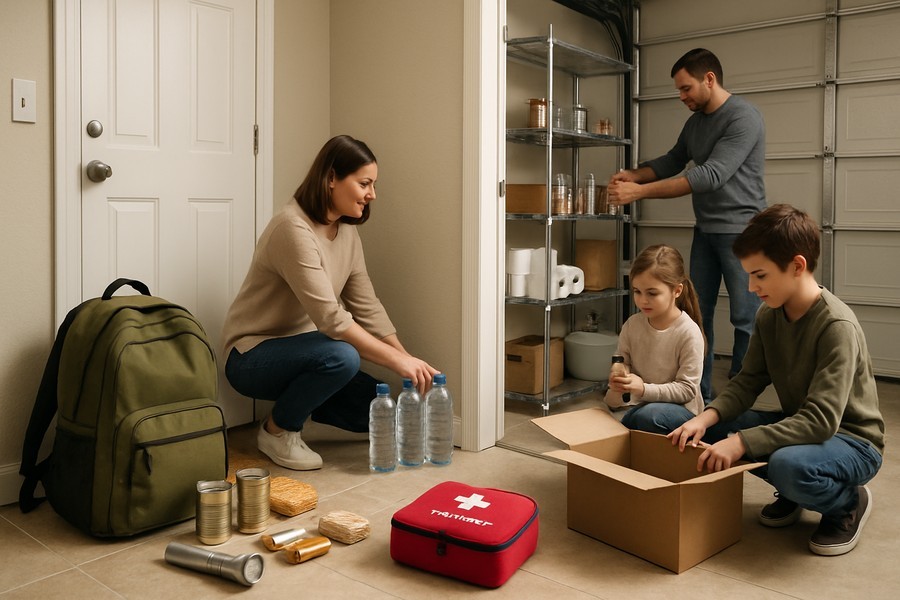
One of the main questions people ask is where they should store their emergency supplies. It's recommended to keep your emergency bag near the front door, preferably in a closet if you have one. However, it's important to remember that in an earthquake, door frames can become warped and doors may become difficult to open. Therefore, it's a good idea to have an alternative place to store your bag, such as a garage with an exterior door.
Also, remember that after an earthquake, you're likely to be evacuating your house rather than your community. So, it may be more important to ensure you have keys to your car, as this can serve as an immediate shelter. It's advisable to have enough food, water, and supplies in your car to last you the first 72 hours after a disaster.
Storing Two-Week Supplies
Another question that often comes up is how to store the two-week supply of provisions. Some people worry about their stored supplies being buried under rubble after a disaster. While it's true that every house reacts differently to a disaster, there are a few things you can do to prepare.
Firstly, study your house. Look at its natural divisions and the structure of your roofline. This will give you an idea of how your house might be affected by an earthquake. Also, consider the type of foundation your house is built on. This will also affect how your house behaves during a disaster. Remember, it's not just the initial shock you need to prepare for, there will also be continuous aftershocks.
When deciding where to store your supplies, choose a location near an exterior door or window that can be easily accessed. Friendly neighbors and members of the community are likely to help you retrieve supplies from your house once the aftershocks have subsided.
Emergency Bags for Different Locations
Some people wonder whether they should have the same emergency bag in their car, at work, etc. In reality, you should have a basic emergency kit in your car that can sustain you for about 72 hours. This should include water, a way to stay warm, food, and sanitation supplies. If you have pets or children who travel with you, make sure you have food for them as well.
If you need to evacuate your home due to a wildfire or hazardous material incident, your go bag should have extra changes of clothes, additional hygiene supplies, medications, important documents, and communication information. This bag should provide you with another 72 to 96 hours of supplies.
Rotating and Storing Water
When it comes to storing water, it's crucial to use food-grade containers and sanitize them before filling. Water stored for long periods should be sanitized before consuming. This can be done by boiling the water, adding a few drops of bleach, or using a secondary water filter. It's recommended to rotate your stored water at least once a year.
If you have a hot tub or pool, remember that chemically contaminated water cannot be filtered for consumption. However, you can use the water for sanitation purposes like flushing a toilet or washing hands.
When storing water, it's important to consider the temperature. It's best to store water inside an insulated place rather than outside where temperatures can exceed safe limits. If you store water outside, remember to sanitize it before consuming.
Overall Preparedness
Many people are becoming more aware of what they need to do to be prepared for a disaster. Having a detailed family emergency plan can be very helpful. This plan should include all necessary details and be ready to go in case you need to leave your home.
Remember, being prepared is a continuous process. Your to-do list may grow as you learn more about what you need to do, but each step you take brings you closer to being ready for a disaster.