
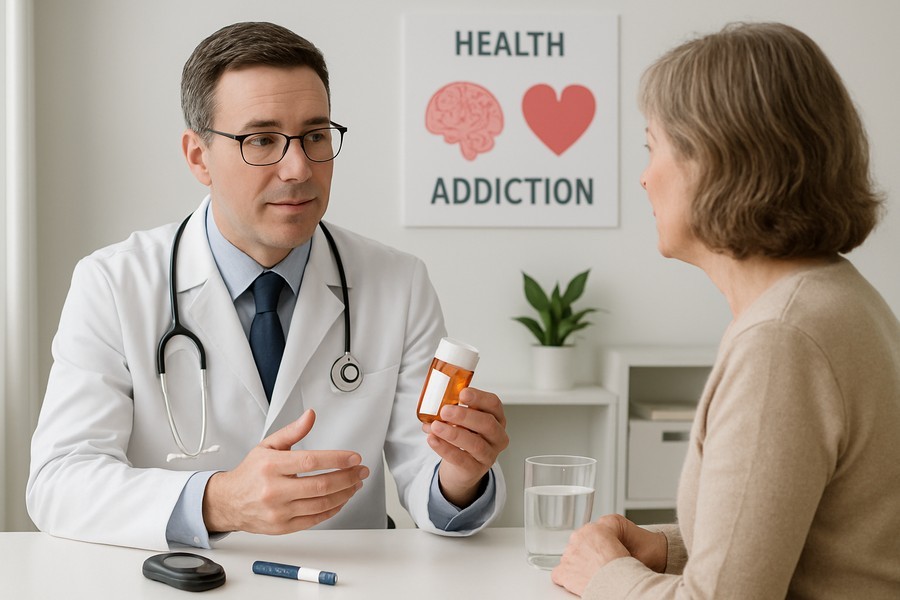
Medications for Diabetes Might Also Help With Addiction
A recent study has revealed that certain medications, typically used for treating diabetes and obesity, could also be useful in reducing the risk of addiction. Furthermore, these drugs may also be beneficial for those already struggling with addiction issues.
The medicines in question belong to a group of drugs called GLP-1 (glucagon-like peptide-1) receptor agonists, which replicate a hormone that plays a key role in managing blood sugar levels and appetite. Over the past ten years, there has been growing interest in the potential of these drugs in combating addiction. This interest was spurred by observations that some patients using these medications for their diabetes or weight loss reported drinking or smoking less.
Evidence of Reduced Risk of Substance Addiction
Previous studies on animals suggested that these drugs could possibly curb cravings and minimize the risk of a relapse. Large-scale studies using health records indicated similar trends. The most recent study discovered that initiating a GLP-1 drug could reduce the overall risk of developing new substance use disorders, like alcohol, cannabis, cocaine, nicotine, and opioids, by 14%.
For those already dealing with a substance use disorder, the use of a GLP-1 drug was linked with a 26% reduction in hospital admissions related to substance use.
Details of the Research
To arrive at these findings, the researchers analyzed electronic health records of over 600,000 veterans with diabetes who received treatment through a national healthcare system. They compared patients who were newly prescribed a GLP-1 drug with those who were started on a different class of diabetes medication known as SGLT2 inhibitors.
The researchers followed the participants for up to three years, examining whether those on GLP-1 drugs were less likely to develop an addiction or experience serious harms such as hospitalization, overdose, emergency department visits, or death.
Impressive Results but Caution Needed
Despite the promising results, it's important to note that these are associations and not definitive proof. Ongoing randomized trials will be necessary to determine whether GLP-1 drugs genuinely cause these benefits, or whether there's another factor at work.
Limited Applicability of the Findings
The results might not be applicable to everyone. The study group consisted of 90% males with an average age of 65, so the findings might not extend to women, younger people, or those without type 2 diabetes. The group also had significant health complexity including high cholesterol, high blood pressure, heart disease, and mental health conditions.
A Greater Issue at Hand
Despite the promising potential of GLP-1 drugs, it's essential to remember that substance use disorders are highly treatable with existing, evidence-based medications and a wide range of psychological therapies. Unfortunately, only a small fraction of people who could benefit from these treatments ever receive them, often due to stigma, shame, fear of judgment, and discrimination.
While the research on GLP-1 drugs is encouraging, the more immediate message is that effective treatments for substance use disorders are already available and that addiction should be viewed as a health condition rather than a moral failing.