
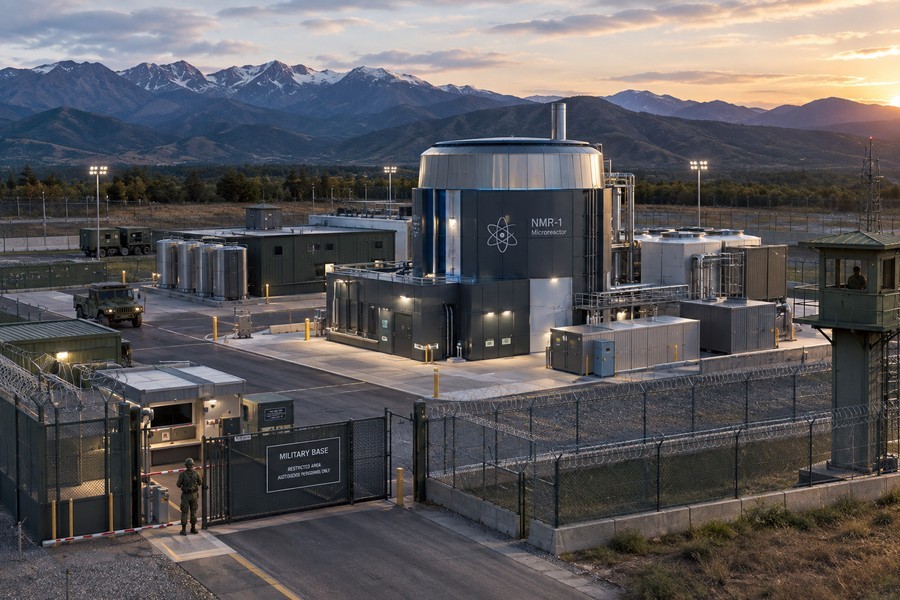
New Military Nuclear Power Plan Sparks Major Debate
A new plan to build next-generation nuclear power plants on five military bases across the country is facing strong pushback. One of the military facilities chosen to receive one of these small power systems is Fort Drum. While supporters believe these new systems will make military bases safer and more independent, opponents argue that the project is too expensive, untested, and potentially dangerous.
The goal of the program is to install what are known as microreactors. These are very small nuclear power plants designed to generate electricity. By placing these reactors directly on military bases, the military hopes to secure a constant, reliable source of power. This would allow the bases to keep operating even if the local civilian power grid fails due to extreme weather, physical damage, or cyberattacks.
The Argument for Military Microreactors
Supporters of the plan state that these advanced energy systems are necessary for modern defense. Having an independent power source directly on-site helps the military maintain its operations and project strength around the world without having to worry about weak or vulnerable public power grids.
Project supporters highlight several key benefits of the technology:
- Constant power: Unlike solar or wind energy, nuclear power can run continuously day and night, regardless of the weather.
- Self-contained safety: The small reactors are designed to shut down automatically and safely on their own if a system failure occurs.
- No local waste storage: The military plans to cooperate with national energy officials to safely remove radioactive waste, meaning no hazardous materials will be stored on the bases long-term.
The military also hopes this program will serve as a starting point for wider adoption of advanced nuclear technology. By testing these reactors on military installations first, the technology can transition from experimental designs into practical, long-term energy solutions for the rest of the country.
Why Critics Oppose the Project
Despite these promised benefits, critics have raised serious concerns about the safety, cost, and overall purpose of the program. A major point of criticism is that these next-generation reactors do not actually exist yet. The military bases selected for the program will be the very first customers to test these unproven designs.
Opponents point out several major issues with the plan:
- High financial cost: These reactors are incredibly expensive compared to other clean energy alternatives, such as solar power, wind power, or battery storage.
- Hidden subsidies: Critics argue that the military is using its massive budget to help private nuclear companies. These companies have struggled to find private-sector buyers because their reactor designs are too expensive and unproven. The military program essentially acts as a financial cushion for these businesses.
- Safety and regulation worries: Instead of being reviewed and licensed by the civilian agency that normally oversees nuclear power, these reactors will be licensed by the military itself. Critics call this regulatory shortcut a dangerous decision that bypasses standard safety checks.
Looking Toward the Future
To address safety concerns, project organizers explain that they are trying to align the military's licensing process with civilian standards. The goal is to make sure the designs can eventually be approved by civilian regulators without requiring major changes. This would make it easier for the private sector to adopt the technology later on.
Funding for this massive undertaking is expected to come from multiple sources. In addition to government funding, organizers expect billions of dollars in private investment to help develop and build these new energy systems. The project represents a major gamble on the future of nuclear energy, balancing the need for military readiness against high costs and public safety concerns.