
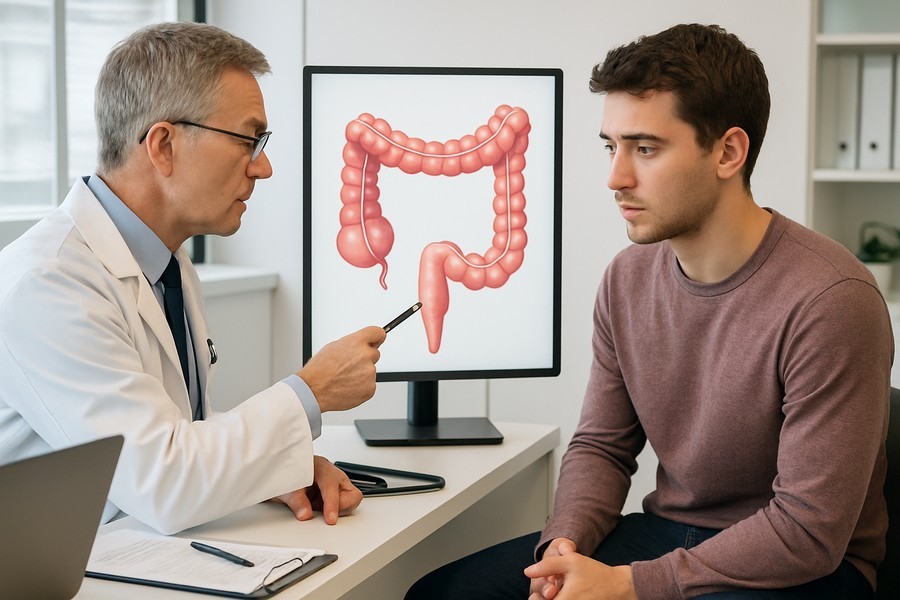
Warning Signs for Colorectal Cancer that Necessitate Pre-45 Screenings
Colorectal cancer has become the top killer among adults below 50 and is the second deadliest form of cancer in the nation, underscoring the necessity of regular check-ups.
Remarkably, almost half (45%) of all new instances are found in individuals 65 and younger. This is a considerable uptick from 27% in 1995.
Increasing Incidence Among Younger Populations
An alarming fact is that there is an uptick in this type of cancer among people in their 20s, 30s, and 40s. As a result, it's critical not to overlook symptoms on the basis of age, as stated by a leading medical expert based in Virginia.
Early Detection Methods
Health authorities recommend regular screenings for adults aged 45 to 75 who are at an “average risk.” Stool-based tests, which can detect blood or changes in DNA that may signify cancer, are one of these methods. Depending on the type of test, it is usually done every one to three years.
Additionally, a colonoscopy, a procedure that allows a doctor to visually inspect a patient’s colon and rectum using a slender, flexible tube with a camera on the end, is typically recommended every 10 years for average-risk adults.
"Colonoscopy is the gold standard because it not only detects cancer early but can also prevent it by identifying and removing precancerous polyps," the Virginia-based expert remarked.
Colonoscopy: A Preferred Method for Younger Patients
A physician from California emphasized that a colonoscopy is generally recommended for younger patients who are clearly at higher risk. He mentioned that while stool-based tests are suitable for average-risk adults, they may not be the best option for those with significant family history, inflammatory bowel disease, hereditary syndromes, or alarm symptoms.
Reasons for Early Screening
Doctors may recommend early screenings for people belonging to high-risk groups. These include:
- Strong family history: If a first-degree relative is diagnosed with colorectal cancer or an advanced polyp before age 60, or if two first-degree relatives are diagnosed at any age, early screening is advisable.
- Significant symptoms: Symptoms such as rectal bleeding with bright-red blood, dark or black stools, blood in the stool, persistent changes in bowel habits, unexplained iron-deficiency anemia, ongoing abdominal pain or cramping, unexplained weight loss, and a persistent sensation that the bowel is not emptying fully should not be ignored.
- Certain genetic conditions: Some inherited DNA mutations significantly increase the risk of colorectal cancer and may necessitate earlier screenings.
- Inflammatory bowel disease: Those diagnosed with inflammatory bowel disease (IBD) have a higher lifetime risk of developing colorectal cancer, and may need to start screenings before the age of 45.
Importance of Early Detection
No matter the cause of these symptoms, it's crucial to seek medical advice and possibly a colonoscopy. "If something feels new, persistent, or worrying, don’t wait. Early evaluation can save your life," the Virginia expert advised.
Moreover, a California physician mentioned that if an early screening before 45 turns out normal, the period until the next one will depend on the specific risk factors. If the person's risk is closer to average than to high, the interval may be longer.
Most importantly, the good news is that colorectal cancer is often preventable. "Most cancers develop slowly from precancerous polyps over many years," the Virginia expert said. "Screening allows doctors to detect and remove these polyps before they turn into cancer."