
A New Way to Get Tech Devices Might Cost You More in the Long Run
A major technology company is reportedly planning to change how customers pay for their favorite gadgets. Instead of buying devices through a standard payment plan, shoppers might soon have to lease them. This new program could replace the current upgrade option for smartphones and expand to other devices like computers.
While this change might sound convenient, it introduces some major differences that could worry consumers. Understanding how these payment plans work is important before signing up for a new contract.
How the Current Upgrade Program Works
Right now, the technology company offers a straightforward way to buy their popular smartphone. Under the current system, the rules are simple:
- Full ownership: The total price of the smartphone is divided into 24 equal monthly payments.
- No extra fees: Customers do not have to pay any interest or financing fees.
- Keep or trade: At the end of the two years, the customer owns the device completely.
There is also an option to get a new phone early. After making payments for 12 months, customers can trade in their current phone for the newest model. When they do this, a new two-year contract starts. In simple terms, the customer gives back the old phone to cover the remaining balance, and they start paying for the new one.
The Shift to a Rental Model
The proposed new program would work differently. It is expected to cover more than just smartphones. Customers would also be able to get desktop and laptop computers under this plan, likely with a three-year payment term. However, the biggest change is how the payments are calculated.
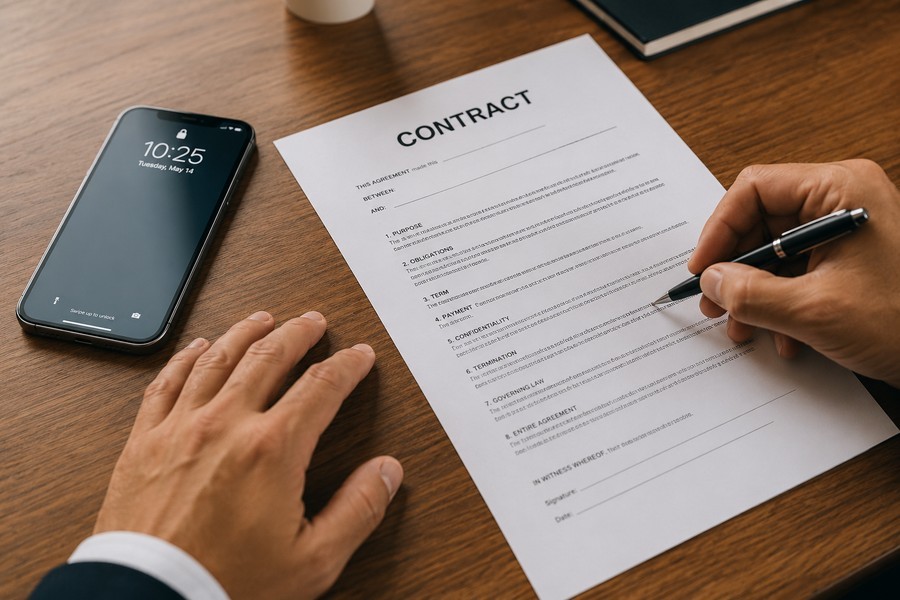
Instead of paying to own the device, the new program would work like a car lease. When you lease a car, your monthly payments do not go toward the total price of the vehicle. Instead, you are only paying for the value the product loses while you use it, plus extra interest charges. When the lease ends, you do not own the product. You have simply been renting it.
Under this system, when the contract ends, customers will have two choices:
- Return the device: Hand the smartphone or computer back to the company and walk away with nothing.
- Make a final payment: Pay a large, one-time fee to buy the device permanently. This is often called a balloon payment, and it represents the remaining value of the item.
The Hidden Trap of Continuous Payments
At first glance, a lease might look like a great deal. Because you are not paying for the full cost of the device, the monthly payments will likely be lower than they are under the current plan. This could make expensive smartphones and computers affordable for more people.
However, this setup has a major downside. Most average shoppers do not save extra money each month to prepare for a large final payment. When the contract ends, many people will not have the cash to buy the device. Instead, they will likely return the old device and start a new lease on a newer model.
This creates a continuous cycle of payments. Instead of buying a phone and keeping it for several years without any monthly bills, customers will be locked into paying the tech company forever. They will be forced to upgrade their smartphones every two years and their computers every three years just to keep having a working device. Even if there are no interest charges, the total cost of owning these devices over a lifetime will be much higher.
What Happens If the Device Gets Damaged?
Another major concern is how the company will handle accidental damage or loss. Under the current upgrade plan, a premium protection plan is often included in the monthly price. This protects the buyer if the phone gets cracked, lost, or stolen.
If the new program does not include a protection plan, customers could face a difficult situation. If a leased smartphone is lost or broken beyond repair, the customer is still legally responsible for the contract. They would have to keep making monthly payments for a device they can no longer use. Even worse, they would still have to pay the large final balloon payment at the end of the term.
A Better Path Forward for Consumers
It is easy to see why the tech giant would want to make this change. Having one single program for all of their products makes their business simpler. It also guarantees that they will receive a steady stream of money from customers month after month.
However, this is not the best setup for the average buyer. A better solution would be to offer both options. Giving consumers a choice allows those who want to own their devices to use the traditional payment plan, while those who prefer frequent upgrades can choose the lease. This keeps the power in the hands of the consumer, allowing them to decide how often they want to spend their money on new technology.