
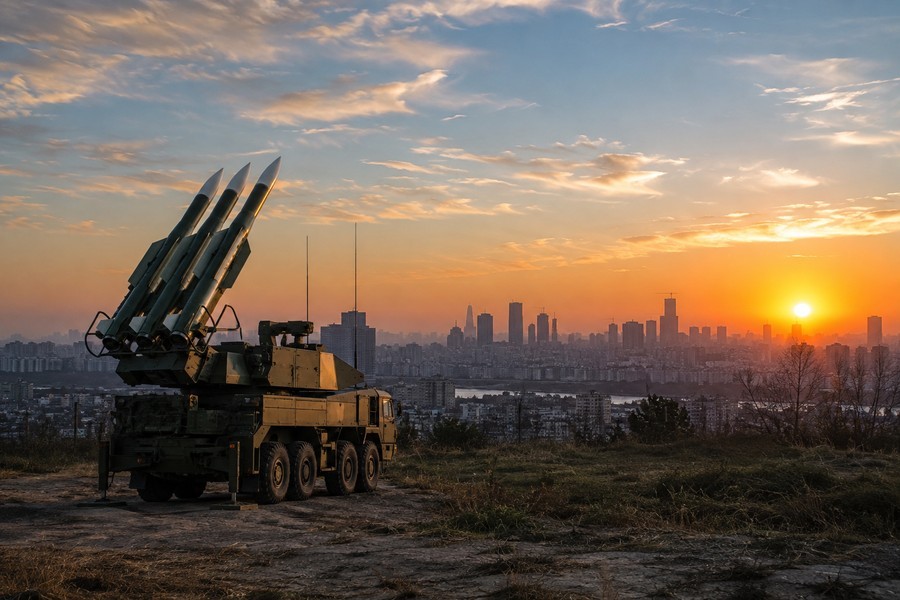
Lethal Overnight Air Strikes Devastate Kyiv Area Amid Defense Shortages
A massive overnight aerial bombardment on the capital region of Ukraine has left 17 people dead and dozens of others injured. The heavy barrage, which lasted for approximately two hours, completely overwhelmed local air defenses. None of the incoming ballistic missiles were stopped, highlighting a severe and growing shortage of defensive ammunition in the war-torn country.
The latest assault is part of a regular pattern of heavy airstrikes. Military analysts note that the attacking forces are taking advantage of a critical shortage of interceptor missiles. These specific interceptors are used in advanced, U.S.-built defense systems, which are currently the only weapons in the country's arsenal capable of stopping fast-moving ballistic missiles.
A Critical Shortage of Defensive Missiles
The Ukrainian president has repeatedly made urgent requests to international partners for more military aid. He explained that the supply of defensive missiles has run dangerously low, partly because global attention and resources have been divided by other international conflicts. To address this problem, the president has proposed two main ideas:
- Local production: Manufacturing the necessary defensive missiles directly inside Ukraine to avoid shipping delays.
- Targeting launchers: Obtaining permission to use advanced satellite communication networks to guide strikes against missile launchers located deep inside enemy territory.
The shortage is already having devastating consequences. During a previous aerial attack, defensive forces managed to stop only a single ballistic missile because they had run out of ammunition. The supply of these vital defensive missiles during the first half of the year fell to just one-third of the expected levels. Leadership warned that delays in delivering these defensive systems directly lead to more loss of life and destruction on the ground.
Differing Views on the Targets Destroyed
The overnight strikes damaged several civilian locations. The buildings hit included a brewery, a construction supply warehouse, and a mail sorting facility. A regional military leader announced a formal day of mourning to honor the 17 victims who lost their lives. In addition to the deaths, at least 44 people suffered injuries during the blasts.
However, the opposing military offered a very different explanation. They claimed that the targeted businesses were linked to the war effort and were being used for military logistics. A defense advisor in the capital countered this, stating that the attacks are completely indiscriminate, hitting food storage sites, retail hubs, and regular businesses. It remains difficult to independently verify which buildings had actual military value.
Survival Stories from the Ground
For those caught in the attack, the experience was terrifying. A local warehouse employee shared that the air raid sirens started blaring shortly after midnight. He immediately directed his coworkers to run to the safety of an underground shelter, even telling them not to go back inside to grab their personal belongings. Just minutes after they reached safety, they heard massive explosions nearby.
Other workers and visitors also had narrow escapes:
- A foreign truck driver from a neighboring country and his coworker had to abandon their vehicle after it was pelted with flying shrapnel. They fled for safety without even having time to grab their identification papers.
- A major home improvement chain reported that its large warehouse was destroyed in a matter of minutes. The company stated that decades of hard work were wiped out instantly, resulting in the death of one employee and injuries to three others.
- The country's largest private postal company reported that a cluster weapon destroyed one of its main sorting hubs. The attacking military claimed this facility was being used to store components for military drones and electronic warfare equipment.
Additionally, there were claims that three cargo ships carrying military gear were struck in the Black Sea, south of a key port city, though local officials did not comment on those claims.
Ukraine Responds with Long-Range Drone Strikes
With diplomatic peace efforts currently at a standstill, Ukraine has increased its own long-range drone attacks. The goal of these strikes is to damage key enemy infrastructure, such as oil refineries, to push the opposing side toward negotiations. While the Ukrainian president previously agreed to an unconditional ceasefire proposed by the U.S. president, the Russian president rejected the offer.
In a recent retaliatory move, Ukrainian drones targeted a massive warehouse belonging to a prominent Russian online retailer. This marks one of many strikes against this retail company's facilities, which Ukrainian officials claim are used to supply the military. The attacks are also designed to bring the reality of the war closer to the enemy's public.
The opposing military claimed it successfully shot down 475 Ukrainian drones over more than a dozen regions, including contested coastal waters. Meanwhile, the scale of the attack on the Ukrainian capital was immense, involving 24 ballistic missiles, several high-speed cruise missiles, and 115 fast, jet-powered drones that are particularly difficult to intercept.