
From Trash to Treats: How Scientists Are Turning Plastic Waste into Food
Imagine eating a cookie made from an old plastic water bottle. While it sounds like a scene from a science fiction movie, researchers have found a way to make it a reality. Scientists have successfully turned plastic waste into edible food, and they are using 3D printers to shape these unusual treats.
This project started as a way to solve a major problem for space travel. When astronauts go on long journeys, they cannot carry years of fresh food with them. They need a way to make food out of the things they already have on board, including their trash. By turning plastic waste into something nutritious, scientists hope to keep space travelers fed on long-distance voyages.
The Science Behind the Plastic Cookie
How do you turn a hard plastic bottle into a soft, edible snack? The process is highly scientific, but it relies on tiny living organisms called yeast. The researchers noted that both plastic and food are made of carbon, which is why this transformation is possible.
First, researchers take a very common type of plastic known as polyethylene terephthalate, or PET plastic. This is the material used to make most single-use water and soda bottles. To break this tough material down, scientists use a special process. They mix the plastic with water and oxygen, and then subject it to extreme heat and high pressure. This breaks the plastic down into smaller molecules that are rich in carbon.
Next, these carbon molecules are given to a special type of yeast. Scientists have reprogrammed the genetic makeup of the yeast so that it treats the broken-down plastic as its primary food source. As the yeast digests the carbon, it transforms it into basic food components, including:
- Proteins to help build muscle
- Fats to provide energy
- Essential nutrients to keep the body healthy
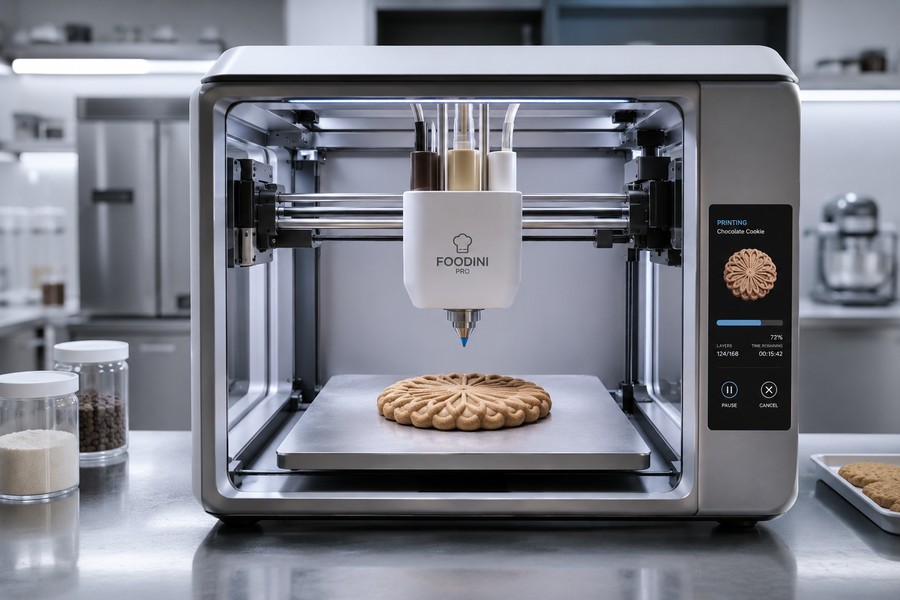
After the yeast does its job, the resulting mixture is combined with starch. Finally, this mixture is fed into a 3D printer, which squeezes out a disc-shaped cookie. To make the cookie taste better, the scientists use a different strain of yeast to create vanilla flavoring out of leftover plant material.
Why Space Travelers Need This Technology
The project was created to help with the extreme challenges of deep space exploration. It was funded as part of a space agency competition designed to find new ways to feed astronauts. For example, a round-trip journey to Mars is expected to take about three years. During such a long journey, astronauts cannot stop at a grocery store or receive food deliveries. They must survive in harsh conditions using only the supplies they bring with them.
In space, every single resource is valuable. By turning plastic packaging and other waste products into food, astronauts can reduce their trash while creating a sustainable food source. This system ensures that nothing goes to waste, which is critical when living in a spacecraft millions of miles from Earth.
Helping People on Earth
While this technology was designed for space, it could also help solve major problems on Earth. Scientists believe this method could be used in several extreme environments, such as:
- Submarines, where crew members spend months underwater with limited storage space.
- Disaster zones, where earthquakes, floods, or storms have cut off normal food supplies.
- Areas facing extreme poverty, where traditional farming is difficult.
The world's population is growing rapidly, and traditional farming may not be enough to feed everyone in the future. Experts estimate that the global demand for food will rise by 35% to 56% by the middle of this century. At the same time, nearly one-third of the world's population could face the risk of hunger. Using tiny microbes like yeast to turn waste into food could help close this gap and protect the environment at the same time.
What Do They Taste Like?
You might wonder what a plastic-derived cookie actually tastes like. Right now, no one knows for sure. The scientific team has not eaten the cookies yet because they are still waiting for official approval to test the food on humans. However, the researchers have given the cookies a sniff test. They report that the treats smell very good, thanks to the custom-made vanilla flavoring.
Currently, these cookies are very expensive to make. It costs about $60 to produce just one kilogram (about 2.2 pounds) of the food. However, the scientists are working to make the yeast more efficient. As the technology improves and is produced on a larger scale, the cost is expected to drop significantly.
Before these cookies can be sold in stores, there is another big hurdle to cross: convincing people to eat them. Many people may feel uneasy about the idea of eating food that used to be trash. Scientists acknowledge that it will take time for the public to get used to the idea of eating food made from recycled plastic. But as the planet faces more environmental challenges, these high-tech snacks might just become a normal part of our future diet.
