
Unraveling the Enigma of an Underestimated Human Organ
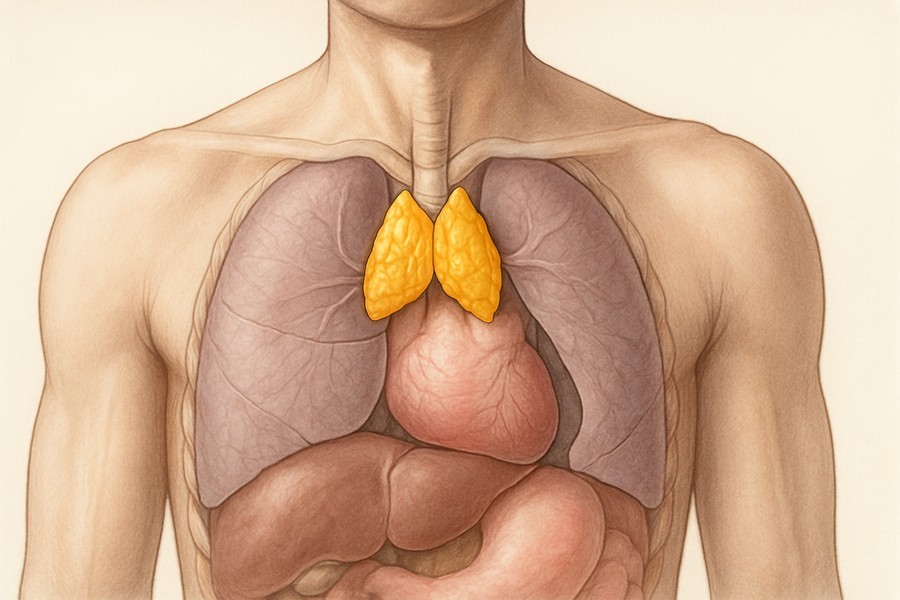
For a long time, a peculiar two-lobed organ tucked behind the breastbone was largely disregarded by medical professionals. This organ, known as the thymus, was believed to serve limited purpose beyond childhood. But recent research is increasingly suggesting that the thymus might have a much more significant role in human health than previously thought.
The Thymus: A Hidden Pillar of Health
The thymus has usually been viewed as a nearly pointless organ in adulthood. It was once believed that this piece of tissue was the location of the soul by ancient Greek philosophers. A Nobel laureate in the 1960s even called it an "evolutionary accident." However, we now know that the thymus plays a crucial role in establishing a functioning immune system during childhood, only to rapidly shrink and become less active after puberty.
Recent research is now suggesting that the thymus might not be as insignificant in adulthood as once thought. It could play a major role in controlling aging and immune health throughout a person's life.
Shedding New Light on the Thymus
Research is beginning to indicate that the thymus may be important in protecting against diseases like cancer, autoimmune disorders, and cardiovascular disease. This has sparked interest in finding ways to rejuvenate the thymus, slow down its decay, and understand its function better.
A groundbreaking study found that people with a healthier thymus were less likely to develop lung cancer or die of heart disease. They even responded better to treatments that stimulate the immune system to fight cancer. But many questions still remain. Is the thymus directly responsible for these health benefits or is it simply an indicator of overall health? Why does its decline vary among different individuals, and can this process be slowed or stopped?
The Thymus: A Critical Player in Childhood Immunity
The thymus plays a significant role in childhood, educating immune cells known as T cells on how to defend against viruses and other pathogens without attacking healthy tissue. If a child is born without a thymus, they can suffer from severe immune problems and may not survive without a transplant.
But as individuals move into their teenage years, the thymus starts to turn into fatty tissue. This has led many doctors to believe that it serves little purpose beyond childhood.
Reevaluating the Role of the Thymus
New research is connecting the thymus to a variety of health outcomes. This research used artificial intelligence to find patterns in large databases used to track diseases like cardiovascular disease and cancer. From this data, they were able to develop a score that indicated the overall health of the thymus and found that a healthier thymus predicted better health outcomes.
While this research doesn't definitively prove that the thymus is the cause of these improved health outcomes, it points to new areas for further investigation. Some researchers are even working on building a human thymus in the lab, with hopes of one day being able to use it to help transplant patients tolerate their new organ without severe side effects. They're also interested in exploring ways to slow down the thymus's natural deterioration, which could have wide-ranging applications in treating autoimmune diseases, improving responses to vaccinations in older individuals, and enhancing responses to cancer immunotherapies.