
Concerns Rise Over Lasting Impact of Massive Sewage Spill in the Potomac
In the early part of the year, a section of an old sewer line near the Potomac River in Maryland gave way. This unfortunate event led to the release of over 200 million gallons of untreated sewage into the Potomac, dangerously close to the nation's capital.
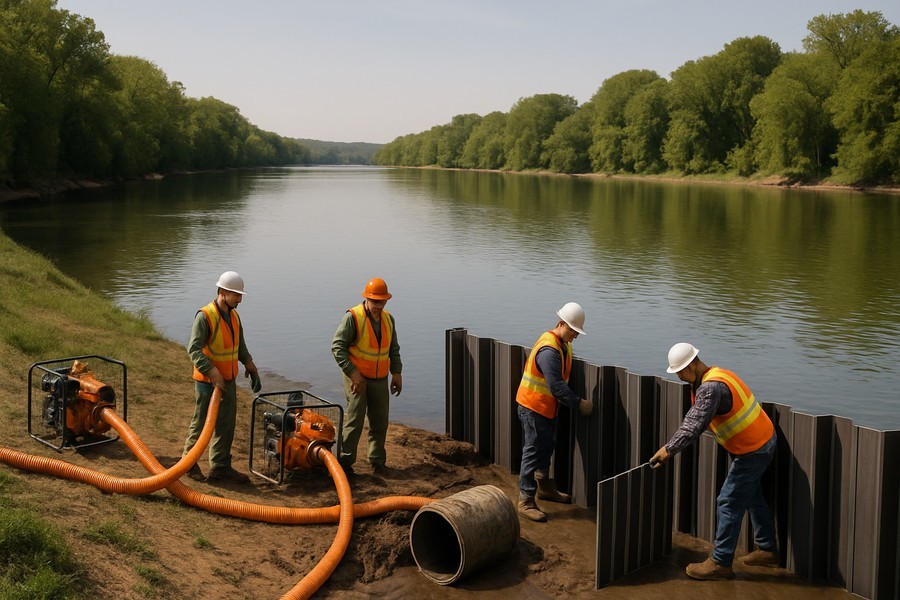
Now, the utility in charge of the sewer line has been busy setting up pumps and constructing a steel barrier to redirect the wastewater around the broken pipe. This allows repair teams to start their work. While the local drinking water remains safe, environmentalists and researchers worry that the spill could cause severe damage to the larger watershed that eventually leads to the Chesapeake Bay.
"Raw sewage is full of harmful material. It's not just waste and harmful bacteria, but it also contains many kinds of pharmaceuticals and various chemicals that people dispose of down their sinks or drains," said a senior director of a water protection advocacy group. "A lot of this stuff can sink to the bottom of the river, potentially affecting fish and bird reproduction, killing insects, and contaminating the soil."
The Bigger Picture: Widespread Sewage Spills in the U.S.
The unfortunate incident at the Potomac is one of the largest sewage spills in the nation's history. It shines a light on an ongoing issue that many U.S. communities face. Sewer systems, particularly those that handle a mix of wastewater and stormwater, frequently overflow during heavy rainfalls. The situation is made worse by the growth in population, which puts a strain on already aging infrastructure. Climate change is also playing a role, as rising temperatures lead to storms delivering more rain in shorter periods, thereby overwhelming sewer and stormwater systems.
"The intensity of these storms is a key factor," commented a staff scientist from a local environmental foundation. "It is undoubtedly a climate problem that will continue to get worse."
The Cause and Consequences of the Sewage Spill
It's still uncertain what caused the sewer line collapse in Maryland. The utility in charge mentioned finding signs of corrosion when they inspected the pipe, which dates back to the 1960s, about ten years ago. They had plans to repair the damaged parts.
As for the full effect of the spill, it's too early to say. The utility has found increased levels of E. coli bacteria at the overflow site. While bacteria struggle to survive in cold water, the warmer summer temperatures could lead to problematic algae blooms in the river that could result in fish deaths.
The spill may also have long-term effects on communities situated along the waterfront, as well as those who swim or boat in the river. An environmental advocate raised the question, "What are we going to do to bring people back and reassure them that the river's safe again?"
"Once you put 243 million gallons of raw sewage into a river, any river, you're not getting it back out," the advocate continued, pointing out that the waste will eventually make its way downstream to the Chesapeake Bay and out into the Atlantic Ocean.
Efforts to Clean the Chesapeake Bay
For many years, scientists and environmental advocates have been working hard to reduce pollution in the Chesapeake Bay. The bay, which spans 200 miles along the mid-Atlantic coast, is surrounded by Maryland and Virginia.
"This is not only a blow to the Potomac River," said the environmental advocate, "but a blow to the Chesapeake Bay."
The D.C. Mayor reached out for federal disaster support, including full compensation for the utility in charge of the sewer line. The Environmental Protection Agency (EPA) stated that it is "prepared to support our partners on the ground and is dedicated to ensuring that the response is carried out as quickly as possible."
Despite attempts to lay blame on local leaders for the sewage spill, it's important to note that the utility in charge is overseen by the EPA. The science manager at a local environmental foundation stated, "The ultimate authority that really needs to be aggressive in addressing this is the Environmental Protection Agency."
An investment in upgrading the country's infrastructure is the solution, the science manager said. "I love bridges, I love safe roads," he said, "but I also love unsexy pipes that are underground. We need to fix those."