
Menopause briefly made her feel like she had unlocked a secret level of womanhood: glowing skin, thick hair, bigger breasts, and a suddenly busy dating life in Paris. Then her body turned on her so spectacularly that one doctor’s three words sent her spiraling through old lovers, cancer fears, and the possibility that her entire anatomy was quietly staging a revolt.
The Best She Had Ever Felt
Perimenopause did not begin with the brain fog, bloating, and misery she had been warned about. At first, it felt almost luxurious. Her skin looked brighter, her hair became thick and glossy, and her breasts suddenly filled out by an entire cup size. Fresh from a long, sexless marriage and living in beautiful Paris, she also rediscovered her sex drive.
There was no shortage of opportunities to test it. She went on dates with French men who murmured “Magnifique!” over glasses of rosé and gazed into her eyes while brushing their fingers against hers. She was officially middle-aged, yet men still found her beautiful. That realization mattered to her far more than she wanted to admit.
She had built a successful professional life, raised two children, and surrounded herself with good friends. Still, deep down, she believed her real value depended on whether men desired her.
That belief had roots in childhood. She had experienced sexual abuse beginning at age 10, around the same time classmates circulated a list dividing girls into “pretty” and “smart.” A girl could apparently be one or the other. She was labeled “pretty,” and the compliment became a lifelong burden.
Her appearance became the scoreboard for her self-worth. A few extra pounds, a blemish, or a terrible hair day could make her forget every other good thing in her life. If she did not feel beautiful, she felt like she was nothing.
When the Compliments Stopped Working
After her marriage ended, she invested heavily in attracting men. She dyed her hair blonde, wore revealing clothes, flirted aggressively, and dated online. The attention made her feel wanted, even when the relationships themselves were not especially satisfying.
Then the hormonal surge vanished.
She began sleeping badly and sweating constantly. Fifteen pounds settled around her belly and hips. Her chin sagged, and the gray in her hair started growing faster than she could hide it. The idea of getting dressed up to attract a man suddenly seemed about as appealing as wading through a swamp full of leeches.
Her friends had a diagnosis: menopause. The options, they told her, were to tolerate it or get medication.

Conveniently, her annual Pap smear was scheduled right in the middle of this bodily mutiny. She asked her gynecologist, Dr. O, about hormone replacement therapy. Dr. O agreed it might help, pending the test results and blood work.
Ten sweaty, anxious days later, Dr. O called her back.
“You Have Vaginal Warts”
Dr. O used the same grave tone she had once used while confirming a pregnancy loss. The test results were abnormal.
Then came the three words: “You have vaginal warts.”
She laughed with relief. She already knew about them. Eighteen years earlier, after giving birth to her son, she had developed small, bumpy skin tags around her episiotomy scar. Dr. O had diagnosed them as warts and explained that HPV included more than 200 strains, most of them harmless. The dangerous strains, she had said, were 16 and 18.
But this time, Dr. O said these were the dangerous kind.
The patient immediately started mentally reviewing every possible source of a new infection: her ex-husband, her recent flings, and every carefree romantic decision that no longer felt carefree. Wart-covered penises and tombstones danced behind her eyes.
“Do I have cancer?”
“Probably not,” Dr. O replied, but she needed more information. The patient was referred for a colposcopy, an examination in which the vagina and cervix would be painted with purple vinegar and photographed for closer inspection.
She misheard the word as “colonoscopy” and briefly wondered whether the warts had spread into her intestines. That was not the procedure. Fortunately, her intestines were not part of the afternoon’s itinerary.

Dr. O also mentioned that she had a mild vaginal prolapse, a common effect of childbirth, along with vaginal atrophy associated with menopause. The colposcopy and any necessary treatment would come first.
The patient left with a prescription for her purple-vagina painting session and three frightening images in her head: her vagina shrinking, her organs falling, and warts somehow trailing behind her through the streets of Paris.
Then Paris Added a New Emergency
The doctor had not actually said she was leaving a trail of warts across the city. But the thought was stuck in her mind when she tripped on a cracked section of sidewalk.
Her sparkly wedge sneakers caught on the uneven pavement. She did not merely stumble. She launched herself forward and landed face-first, with her mouth taking most of the impact.
There was so much blood that it took hours to see what had happened. Her front teeth were cracked but still intact. Her lips were badly torn. She had scraped away part of her upper lip, bitten through the lower one, and collected some of the sidewalk in the wound. In Paris, she suspected, that debris may have included dog waste.
Emergency-room doctors stitched her up and promised she would look normal again soon. Two weeks later, she repeated that reassurance to the colposcopy specialist, who examined her swollen, stitched face before painting her vagina purple.
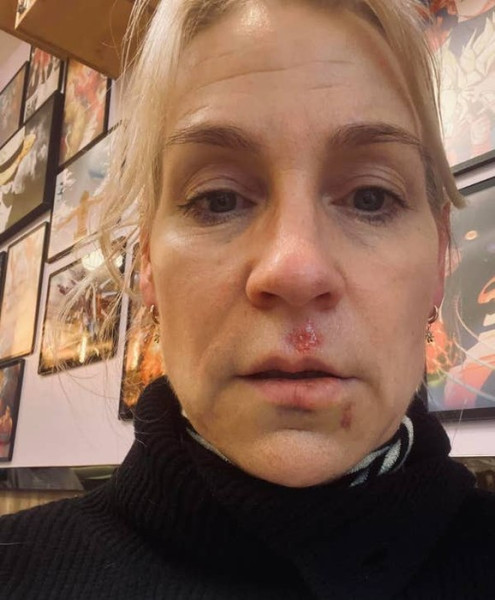
Hormone replacement therapy eventually turned out to be medically contraindicated for her situation, so she began taking Prozac instead. She was dealing with more than hot flashes. The accident had left her traumatized and disfigured by a golf-ball-sized keloid scar on her lower lip.
The scar bulged outward whenever she smiled, and she had stopped smiling. She had spent years believing beauty made her lovable. Now the physical features she had relied on were suddenly out of her control.
The Plastic Surgeon’s Unwanted Advice
After several miserable weeks, she saw a plastic surgeon. He examined the damaged lip, rolled the scar tissue between his fingers, and studied her face. Then he handed her a mirror and pointed to the lines across her forehead.
“Have you considered Botox?” he asked.
His explanation was blunt: there was no reason for her to look so old when she could do something about it.
The remark stayed with her while she waited for surgery on her lip. What, she wondered, was the actual reason to avoid looking old? Her children did not care. Her friends did not care. Her clients did not care.
The only answer she could find was men: anonymous men on the street and strangers she invited into her life online. She had spent money, time, and energy trying to look beautiful enough for them, while accepting their bald heads, paunches, double chins, and questionable outfits without demanding that they fix themselves first.
She did not get the Botox. She did have two operations on her lip because the scar hurt, affected her mental health, and kept getting bitten while she talked or ate. The lip never returned completely to normal. Damaged muscle, lost collagen, and thickened tissue left it permanently lopsided.
Walking Away From the Beauty Battle
With the lip consuming so much of her attention, she had little energy left for treating the prolapse or vaginal atrophy. She was still waiting to see whether the HPV-related warts would disappear on their own, which often happens.
She also stopped dating for two years. More importantly, she stopped organizing her life around being attractive to men. Without that pressure, she no longer felt compelled to decorate, disguise, or constantly repair herself.
Her hair is now silvery gray. She is 30 pounds heavier. She wears comfortable clothes and has learned to smile again, even with the uneven lip.
Eventually, she started dating again, but her standards had changed. A man who opened with comments about her appearance got rejected immediately. A man who asked about her interests or how she saw the world had a chance.
She was not claiming physical attraction was meaningless. She simply no longer wanted it to run her life. She had spent years hoping men would want her because she was beautiful, partly because she could not imagine another reason they might be interested.
Beauty culture had made the game impossible to win. She could be dismissed as vain for admitting it had harmed her, or told she was not attractive enough to complain. But aging and the accident forced her to stop playing. She lost the beauty battle, walked away from the war zone, and found that losing felt remarkably like freedom.
Would you have made the same changes after an experience like this, or is appearance still too powerful to ignore?
The Best She Had Ever Felt
Perimenopause did not begin with the brain fog, bloating, and misery she had been warned about. At first, it felt almost luxurious. Her skin looked brighter, her hair became thick and glossy, and her breasts suddenly filled out by an entire cup size. Fresh from a long, sexless marriage and living in beautiful Paris, she also rediscovered her sex drive.
There was no shortage of opportunities to test it. She went on dates with French men who murmured “Magnifique!” over glasses of rosé and gazed into her eyes while brushing their fingers against hers. She was officially middle-aged, yet men still found her beautiful. That realization mattered to her far more than she wanted to admit.
She had built a successful professional life, raised two children, and surrounded herself with good friends. Still, deep down, she believed her real value depended on whether men desired her.
That belief had roots in childhood. She had experienced sexual abuse beginning at age 10, around the same time classmates circulated a list dividing girls into “pretty” and “smart.” A girl could apparently be one or the other. She was labeled “pretty,” and the compliment became a lifelong burden.
Her appearance became the scoreboard for her self-worth. A few extra pounds, a blemish, or a terrible hair day could make her forget every other good thing in her life. If she did not feel beautiful, she felt like she was nothing.
When the Compliments Stopped Working
After her marriage ended, she invested heavily in attracting men. She dyed her hair blonde, wore revealing clothes, flirted aggressively, and dated online. The attention made her feel wanted, even when the relationships themselves were not especially satisfying.
Then the hormonal surge vanished.
She began sleeping badly and sweating constantly. Fifteen pounds settled around her belly and hips. Her chin sagged, and the gray in her hair started growing faster than she could hide it. The idea of getting dressed up to attract a man suddenly seemed about as appealing as wading through a swamp full of leeches.
Her friends had a diagnosis: menopause. The options, they told her, were to tolerate it or get medication.
Conveniently, her annual Pap smear was scheduled right in the middle of this bodily mutiny. She asked her gynecologist, Dr. O, about hormone replacement therapy. Dr. O agreed it might help, pending the test results and blood work.
Ten sweaty, anxious days later, Dr. O called her back.
“You Have Vaginal Warts”
Dr. O used the same grave tone she had once used while confirming a pregnancy loss. The test results were abnormal.
Then came the three words: “You have vaginal warts.”
She laughed with relief. She already knew about them. Eighteen years earlier, after giving birth to her son, she had developed small, bumpy skin tags around her episiotomy scar. Dr. O had diagnosed them as warts and explained that HPV included more than 200 strains, most of them harmless. The dangerous strains, she had said, were 16 and 18.
But this time, Dr. O said these were the dangerous kind.
The patient immediately started mentally reviewing every possible source of a new infection: her ex-husband, her recent flings, and every carefree romantic decision that no longer felt carefree. Wart-covered penises and tombstones danced behind her eyes.
“Do I have cancer?”
“Probably not,” Dr. O replied, but she needed more information. The patient was referred for a colposcopy, an examination in which the vagina and cervix would be painted with purple vinegar and photographed for closer inspection.
She misheard the word as “colonoscopy” and briefly wondered whether the warts had spread into her intestines. That was not the procedure. Fortunately, her intestines were not part of the afternoon’s itinerary.
Dr. O also mentioned that she had a mild vaginal prolapse, a common effect of childbirth, along with vaginal atrophy associated with menopause. The colposcopy and any necessary treatment would come first.
The patient left with a prescription for her purple-vagina painting session and three frightening images in her head: her vagina shrinking, her organs falling, and warts somehow trailing behind her through the streets of Paris.
Then Paris Added a New Emergency
The doctor had not actually said she was leaving a trail of warts across the city. But the thought was stuck in her mind when she tripped on a cracked section of sidewalk.
Her sparkly wedge sneakers caught on the uneven pavement. She did not merely stumble. She launched herself forward and landed face-first, with her mouth taking most of the impact.
There was so much blood that it took hours to see what had happened. Her front teeth were cracked but still intact. Her lips were badly torn. She had scraped away part of her upper lip, bitten through the lower one, and collected some of the sidewalk in the wound. In Paris, she suspected, that debris may have included dog waste.
Emergency-room doctors stitched her up and promised she would look normal again soon. Two weeks later, she repeated that reassurance to the colposcopy specialist, who examined her swollen, stitched face before painting her vagina purple.
Hormone replacement therapy eventually turned out to be medically contraindicated for her situation, so she began taking Prozac instead. She was dealing with more than hot flashes. The accident had left her traumatized and disfigured by a golf-ball-sized keloid scar on her lower lip.
The scar bulged outward whenever she smiled, and she had stopped smiling. She had spent years believing beauty made her lovable. Now the physical features she had relied on were suddenly out of her control.
The Plastic Surgeon’s Unwanted Advice
After several miserable weeks, she saw a plastic surgeon. He examined the damaged lip, rolled the scar tissue between his fingers, and studied her face. Then he handed her a mirror and pointed to the lines across her forehead.
“Have you considered Botox?” he asked.
His explanation was blunt: there was no reason for her to look so old when she could do something about it.
The remark stayed with her while she waited for surgery on her lip. What, she wondered, was the actual reason to avoid looking old? Her children did not care. Her friends did not care. Her clients did not care.
The only answer she could find was men: anonymous men on the street and strangers she invited into her life online. She had spent money, time, and energy trying to look beautiful enough for them, while accepting their bald heads, paunches, double chins, and questionable outfits without demanding that they fix themselves first.
She did not get the Botox. She did have two operations on her lip because the scar hurt, affected her mental health, and kept getting bitten while she talked or ate. The lip never returned completely to normal. Damaged muscle, lost collagen, and thickened tissue left it permanently lopsided.
Walking Away From the Beauty Battle
With the lip consuming so much of her attention, she had little energy left for treating the prolapse or vaginal atrophy. She was still waiting to see whether the HPV-related warts would disappear on their own, which often happens.
She also stopped dating for two years. More importantly, she stopped organizing her life around being attractive to men. Without that pressure, she no longer felt compelled to decorate, disguise, or constantly repair herself.
Her hair is now silvery gray. She is 30 pounds heavier. She wears comfortable clothes and has learned to smile again, even with the uneven lip.
Eventually, she started dating again, but her standards had changed. A man who opened with comments about her appearance got rejected immediately. A man who asked about her interests or how she saw the world had a chance.
She was not claiming physical attraction was meaningless. She simply no longer wanted it to run her life. She had spent years hoping men would want her because she was beautiful, partly because she could not imagine another reason they might be interested.
Beauty culture had made the game impossible to win. She could be dismissed as vain for admitting it had harmed her, or told she was not attractive enough to complain. But aging and the accident forced her to stop playing. She lost the beauty battle, walked away from the war zone, and found that losing felt remarkably like freedom.
Would you have made the same changes after an experience like this, or is appearance still too powerful to ignore?