
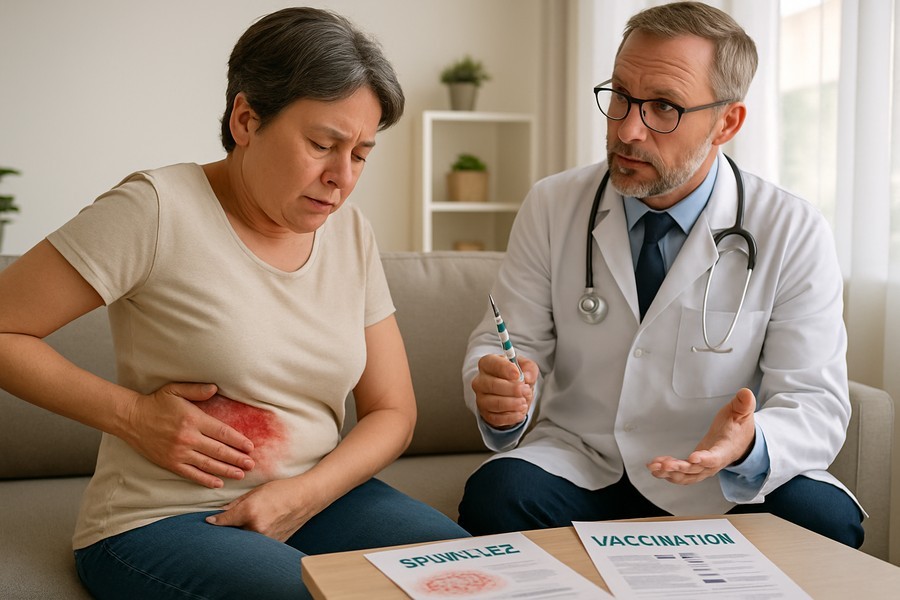
Don't Underestimate Shingles: It's More Than Just a Rash
Imagine feeling like your entire body side is under attack from a swarm of hornets. That's how one gentleman described his experience with shingles, a painful condition that started as a rash on his left side and quickly escalated to severe, stabbing pain.
Shingles is a consequence of the varicella-zoster virus, the same culprit behind chickenpox. Once you've had chickenpox, the virus doesn't leave your body. Instead, it hibernates in a nerve root and can reemerge as shingles, causing nerve inflammation, blisters, itching, and intense pain.
The Prevalence of Shingles and the Power of Vaccination
Approximately one-third of Americans will experience shingles at some point in their lives. Despite the availability of a vaccine that can prevent much of the associated pain and discomfort, only around 36% of adults over 50 have received at least one dose. The reluctance often stems from concerns about side effects. However, the vaccine's benefits far outweigh the risks considering that shingles can be debilitating and have long-lasting impacts.
Beyond preventing shingles, emerging research suggests that the vaccine may offer additional health benefits, including potential protection against dementia and slower biological aging. The vaccine requires two doses administered over several months.
Four Key Facts About Shingles, Its Vaccine, and Treatment
- Shingles Can Strike at Any Age
Although doctors typically advise individuals to get the vaccine around the age of 50, many people contract shingles at a much younger age. Stress, both emotional and physical, can trigger a bout of shingles. Intense physical activity, injuries, or skin trauma can also provoke the dormant virus to awaken and cause symptoms.
Since the mid-20th century, the number of people contracting shingles has quadrupled. The reasons for this increase remain unclear, but some suspect that lifestyle changes, including more stress and dietary changes, may contribute.
Those with chronic conditions like diabetes and asthma may be at a higher risk of contracting shingles at a younger age. However, children who received the chickenpox vaccine (widely available since 1995) seem to have a lower risk of developing shingles later on, although the possibility still exists.
- Shingles Vaccine: Beyond Shingles Prevention
Several studies have suggested that the shingles vaccine may have benefits beyond preventing shingles. Recent research has suggested that it may protect against dementia and even slow biological aging. Though the studies show correlation rather than causation, these findings are encouraging and warrant further exploration.
- Recognizing Shingles and Seeking Early Treatment
Recognizing the early signs of shingles can enable timely treatment. Symptoms can include tingling, skin sensitivity, a rash, or intense pain. Prompt treatment with antiviral drugs can be more effective at managing the condition.
- Long-Term Effects of Shingles
For some, the pain from shingles can persist long after the rash has disappeared, a condition known as post-herpetic neuralgia. This ongoing nerve pain can significantly impact a person's quality of life. For these individuals, the thought of a shingles recurrence can be terrifying, leading some to opt for vaccination even if they need to pay out of pocket.
Thankfully, there are pain management options available. While some medications may cause side effects such as headaches and brain fog, others are better tolerated and can significantly reduce pain and improve quality of life.
Given the potential severity of shingles and the available preventive measures, it is advisable for individuals, especially those over 50, to discuss the shingles vaccine with their healthcare provider.
