
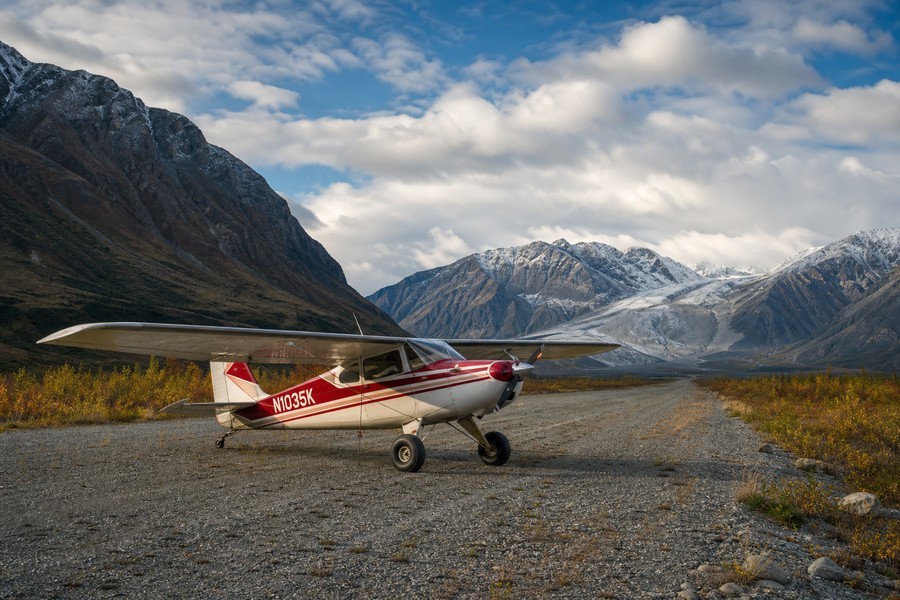
A Six-Pack of Beer and a $95,000 Plane: High Court to Decide on Government Seizure
The highest court in the nation has agreed to hear a case that could decide how far the government can go when taking personal property. The legal battle involves an elderly bush pilot, his expensive airplane, and a single six-pack of beer. At the heart of the issue is a simple question: Can the state permanently take a valuable aircraft because a passenger brought a small amount of alcohol on board?
The pilot, who is now in his 80s, has been fighting the state government for many years to keep his plane. The aircraft, valued at $95,000, is a vital tool for flying in remote areas. However, state officials want to take the plane permanently under laws that allow the government to seize property used in crimes. The pilot argues that losing his plane for such a minor offense is unfair and violates the United States Constitution.
The Flight That Started the Battle
The trouble began when the pilot prepared to fly a passenger from a larger city to a small, remote village. In this remote community, local laws strictly ban alcohol to help keep the peace and protect residents. These types of communities are often called "dry" towns.
Before the flight could take off, state troopers searched the aircraft. Inside a grocery bag belonging to the passenger, officers discovered a six-pack of beer. Because alcohol is illegal in the destination village, both the pilot and the passenger faced legal trouble. The passenger, the pilot, and his flying company were all charged with a misdemeanor for trying to bring alcohol into a dry community.
The passenger admitted guilt, while the pilot went to trial and was convicted by a jury. A local judge sentenced the pilot to serve three days in jail. During the trial, the judge suggested that taking the plane would send a strong warning to other pilots. The goal was to show that helping transport alcohol into dry areas would carry a very high cost.
The Fight Over the Constitution
After the conviction, state officials moved to take the pilot's plane permanently. The pilot sued to stop them, pointing to the Eighth Amendment of the Constitution. This amendment contains a rule known as the "Excessive Fines Clause," which prevents the government from handing out punishments or fines that are far too harsh for the crime committed.
The pilot’s legal team argues that taking a $95,000 plane over a six-pack of beer is the definition of an excessive fine. They point out several key facts about the situation:
- The pilot was not running a major smuggling operation.
- This was an isolated incident rather than a pattern of criminal behavior.
- The value of the plane is vastly higher than the typical fine for a minor misdemeanor.
The state’s highest court previously ruled against the pilot, deciding that taking the plane was a fair punishment. That court looked at the situation in general terms and decided the state had the right to enforce its laws strictly to protect remote villages from illegal alcohol. But the pilot and his lawyers refused to give up, taking their appeal all the way to the nation's highest court.
Two Opposing Views on Justice
The two sides in this case see the law very differently. The pilot believes his fight is about protecting the basic rights of all citizens from government overreach. He expressed relief that the highest court agreed to review his case, noting that he has spent a large portion of his later years fighting this battle to ensure constitutional protections remain meaningful for everyone.
On the other side, lawyers representing the state argue that the previous court decision should stand. They believe that courts must look at many different factors to decide if a punishment is too harsh. According to the state, the local courts did their job correctly by weighing the seriousness of illegal alcohol transport against the loss of the plane. They argue that the pilot has not proven that losing his plane is completely out of line with the gravity of his actions.
What Lies Ahead
To be heard by the highest court, at least four of the nine justices must agree that a case is important enough to review. The justices voted to accept this case, and formal legal arguments are scheduled to take place later this year.
The final decision could have a major impact on how government agencies across the country use forfeiture laws. If the court rules in favor of the pilot, it could limit the government's ability to seize expensive cars, boats, and planes for minor offenses. If the court sides with the state, it could give law enforcement more power to use property seizure as a way to deter illegal activity.