
After his wife Lori died, Jon found a four-word message in her diary that he couldn’t ignore: “Say Yes to Everything!” So, less than a year into widowerhood and after 30 years away from dating, he said yes to a five-day bike trip through Montana. Ten miles in, he was stranded on a ridge, wondering how a person could be both this exhausted and this angry at a bicycle.
The trip meant 250 miles and 25,000 feet of climbing. Jon had never ridden a gravel bike. Being athletic, he discovered, is not the same thing as being ready to pedal up mountains, then steer down them over loose gravel and sharp rocks. The hills had an 8% grade. His hands went numb. His shoulders ached. His brakes ground. The scenery was spectacular, which was almost rude of it, given how badly he was suffering.
He’d come because his brother promised lifelong friends and an unforgettable experience. So far, Jon felt alone among riders who looked like they’d been born clipped into their pedals. He was angry at the trip, angry at himself, and angry at a life that had already taken enough turns without adding a mountain bike.
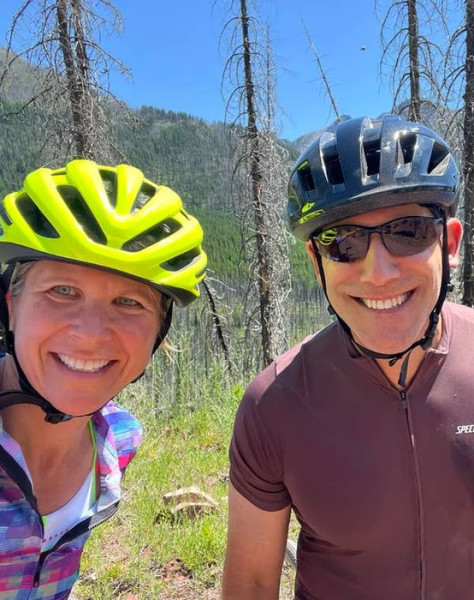
Then a woman rolled up beside him. She wore a blue cycling jersey, a yellow helmet, and pink-hued glasses. She looked relaxed on her bike; Jon looked like every muscle had filed a complaint.
“What brings you here?” she asked, smiling.
Jon had been struggling with that question all trip. The other riders had easy answers: they loved cycling, they did this kind of trip every year, they came for the mountains, glacial lakes, campsites, and climbs. Jon’s answers were harder to fit into a casual conversation.
Where do you ride? He didn’t. Had he done this before? No. Why was he there? He wasn’t sure.
But something about her made him tell the truth. “My wife died,” he said. “And she told me to say ‘yes’ to everything, so here I am.”
She nodded. “This is my Divorce Camp,” she said.
And there they were: two people on a mountain, each carrying a life that had come apart in a different way. No grand speech. No instant fix. Just a quiet pause under an enormous blue sky.
The Ride He Never Expected to Take
When the woman pedaled off, she floated down the trail. Jon followed, fighting the bike, the gravel, and apparently his own shoulders. His brother caught up and offered gentle advice: loosen his arms, sit farther back, relax his pedal strokes, and stop trying to fight the terrain.
“I’ll do better tomorrow,” Jon promised.
“You’re already doing better,” his brother replied. “You’ve got this.”
Jon chose to believe him, even though he knew exactly how hard it could be to accept encouragement when you didn’t feel it yourself.
He and Lori had been married for 23 years. She was diagnosed with a brain tumor at 28, and doctors expected it to kill her within months. Instead, Lori lived with it for 23 years, through a long, uncertain stretch of life that included quarterly MRIs and all the worry those scans could deliver.
They learned to live in three-month windows. They traveled, skied, hiked, and ate out, making plans without pretending they could control what the next scan would say. Some results offered brief hope; others were devastating. Either way, they kept living. Lori had a hunger for life that Jon had never seen in anyone else. He was determined to keep pace and help her through every new challenge.
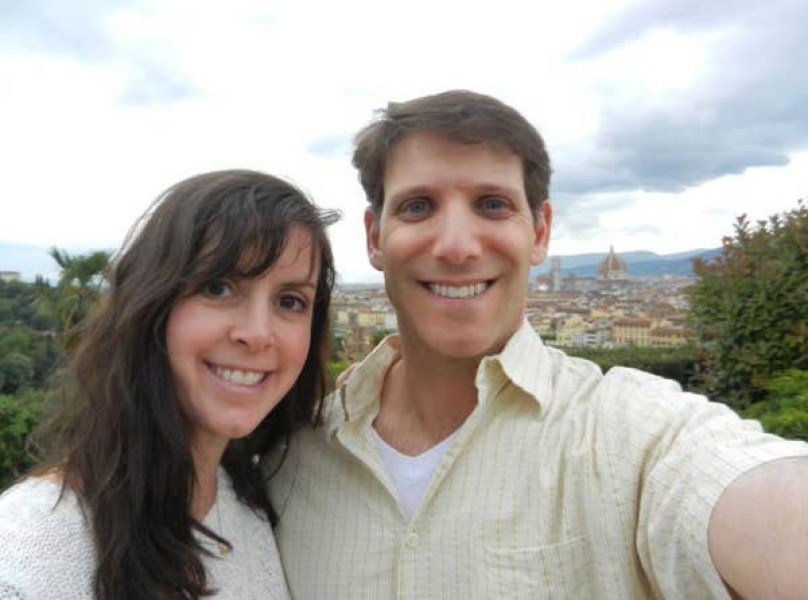
After she died during the COVID pandemic, Jon felt as if the future had disappeared with her. He kept going, but it felt like an act. He no longer knew how to live without Lori.
The Note That Was More Than a Reminder
In the first year after her death, one of the few comforts Jon could bear was reading Lori’s writing. She had filled diary after diary and left thousands of notes. He’d assumed many were reminders, especially as her short-term memory became affected by the illness. But they held much more: poems, quotes, private worries, hopes, promises, and messages for him and her friends.
He spent mornings and evenings on the couch, reading through them. While Lori was alive, he says, he would never have read her private diaries. Now, they felt like the next part of a conversation that had begun when they met on a college quad.
He found her thoughts about early boyfriends, then her certainty that Jon was the person she wanted to marry: the man she wanted to have children with and grow old beside. He read about the day the illness became a diagnosis. In one entry, Lori wrote, “It’s funny, you don’t realize how strong you are until something tries to take that away.”
She could be brave, but she wasn’t made of stone. Her pages also held fear about “ending” and the ache of hoping for better days. And she could make him laugh. Her account of their first visit to a sex shop had him laughing hard enough to cry.
Then came the note on a napkin. Four words, written like a message to herself, but landing squarely with Jon:
Say Yes to Everything!
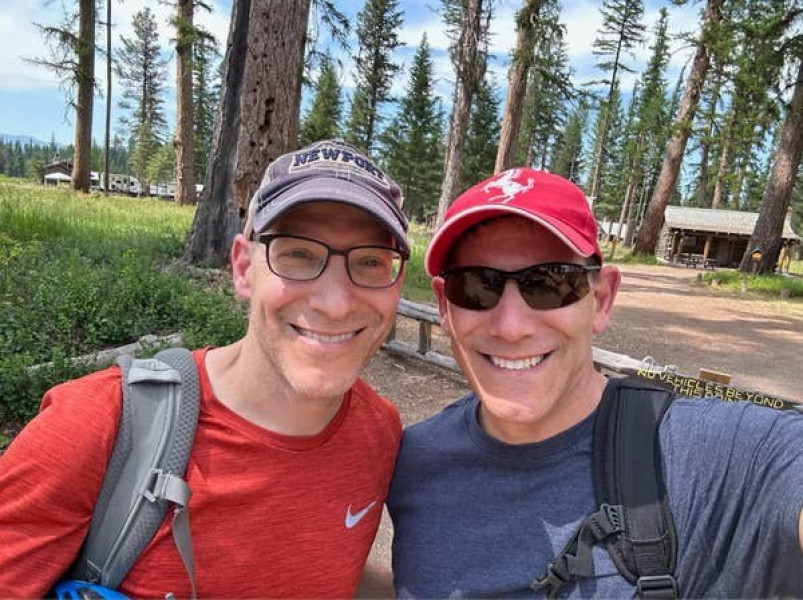
That was the promise he made. It turned out to be much harder than reading it. He said yes to invitations he didn’t want, places he didn’t want to go, opportunities that made him nervous, and people he wasn’t sure he wanted to meet. Including, eventually, a five-day cycling trip that sounded punishing before he even got on the bike.
From “Divorce Camp” to Something New
On the third evening of the trip, Jon explained to the woman he’d met on the ridge why he’d come. She listened, then asked him about Lori. Where had they met? What did they like doing together? What made Lori special?
That mattered. Most people wanted details about the illness, Lori’s death, or how Jon had managed afterward. This woman asked about the life they’d shared. As he told her stories, he found himself opening up to a kind of closeness he hadn’t thought was possible anymore.
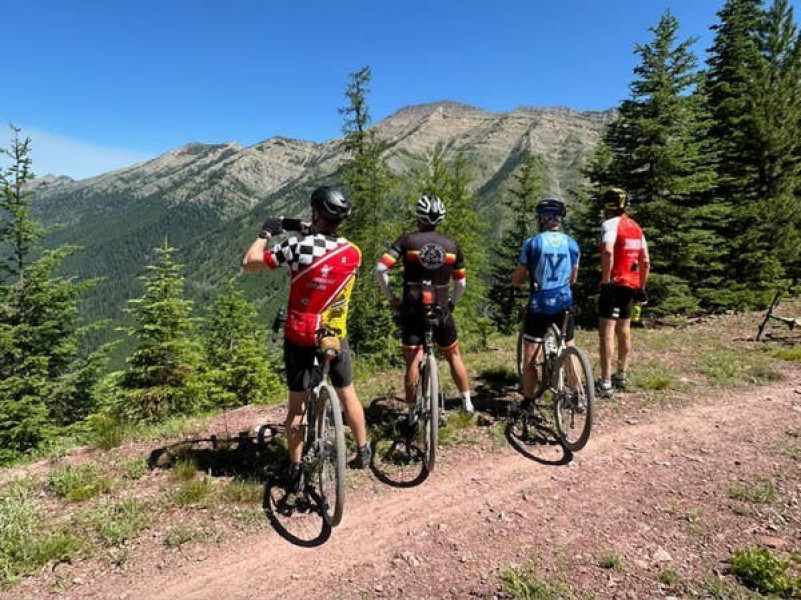
The rides kept getting tougher. The climbs grew longer and steeper. The descents ran over single-track trails crowded with trees, branches, and rocks, with no obvious place to slow down. But Jon began to find a rhythm. He loosened his grip, tried the harder paths, and pushed himself uphill. Riders would catch up, tell him he was doing well, and chat until the trail pulled them apart.
Even the solitude changed. He looked around and saw mountains and sky that made him cry for reasons other than grief. He passed a smiley face drawn in the dirt and smiled back. Small things, maybe. But they were proof he was noticing the world again.
After each ride, everyone put on swimsuits, grabbed beers, and floated in inner tubes on a glacial lake. They laughed and talked about the turns that had brought them there: hopes, disappointments, dreams, and the messy routes their lives had taken. Jon listened, shared more than he expected, and clinked bottles with his brother, who knew how much it had taken for Jon simply to feel good enough to float.
A Number Saved as a Memory
On the next-to-last night, Jon asked the woman about her life—not the details of her divorce, but who she was and how she saw the world. Her ability to look for something good even in unfair, difficult experiences reminded him of lessons he’d learned beside Lori, then lost in the fog after her death.
Nearly a year later, she still appears in his phone as “NW Bike Trip Montana.” The code name is a little reminder of where they met, and perhaps a sensible way to label a relationship that hasn’t settled into a neat category. They’re more than friends, but not something serious. Jon is a widower in New York City; she’s a divorcee in Vermont. Dating at this stage of life comes with history attached. Still, somehow, they connect.
Jon doesn’t claim the trip healed him. It didn’t erase Lori or make grief simple. But he says he no longer has to pretend when he tries something new. He’s curious about what might come next. He’s learning to loosen his grip, look around, and recognize that some moments are better than okay. He can feel at peace—and eager for the ride.
Would you have said yes to that Montana trip, or would Lori’s note have sent you somewhere completely different?
The trip meant 250 miles and 25,000 feet of climbing. Jon had never ridden a gravel bike. Being athletic, he discovered, is not the same thing as being ready to pedal up mountains, then steer down them over loose gravel and sharp rocks. The hills had an 8% grade. His hands went numb. His shoulders ached. His brakes ground. The scenery was spectacular, which was almost rude of it, given how badly he was suffering.
He’d come because his brother promised lifelong friends and an unforgettable experience. So far, Jon felt alone among riders who looked like they’d been born clipped into their pedals. He was angry at the trip, angry at himself, and angry at a life that had already taken enough turns without adding a mountain bike.
Then a woman rolled up beside him. She wore a blue cycling jersey, a yellow helmet, and pink-hued glasses. She looked relaxed on her bike; Jon looked like every muscle had filed a complaint.
“What brings you here?” she asked, smiling.
Jon had been struggling with that question all trip. The other riders had easy answers: they loved cycling, they did this kind of trip every year, they came for the mountains, glacial lakes, campsites, and climbs. Jon’s answers were harder to fit into a casual conversation.
Where do you ride? He didn’t. Had he done this before? No. Why was he there? He wasn’t sure.
But something about her made him tell the truth. “My wife died,” he said. “And she told me to say ‘yes’ to everything, so here I am.”
She nodded. “This is my Divorce Camp,” she said.
And there they were: two people on a mountain, each carrying a life that had come apart in a different way. No grand speech. No instant fix. Just a quiet pause under an enormous blue sky.
The Ride He Never Expected to Take
When the woman pedaled off, she floated down the trail. Jon followed, fighting the bike, the gravel, and apparently his own shoulders. His brother caught up and offered gentle advice: loosen his arms, sit farther back, relax his pedal strokes, and stop trying to fight the terrain.
“I’ll do better tomorrow,” Jon promised.
“You’re already doing better,” his brother replied. “You’ve got this.”
Jon chose to believe him, even though he knew exactly how hard it could be to accept encouragement when you didn’t feel it yourself.
He and Lori had been married for 23 years. She was diagnosed with a brain tumor at 28, and doctors expected it to kill her within months. Instead, Lori lived with it for 23 years, through a long, uncertain stretch of life that included quarterly MRIs and all the worry those scans could deliver.
They learned to live in three-month windows. They traveled, skied, hiked, and ate out, making plans without pretending they could control what the next scan would say. Some results offered brief hope; others were devastating. Either way, they kept living. Lori had a hunger for life that Jon had never seen in anyone else. He was determined to keep pace and help her through every new challenge.
After she died during the COVID pandemic, Jon felt as if the future had disappeared with her. He kept going, but it felt like an act. He no longer knew how to live without Lori.
The Note That Was More Than a Reminder
In the first year after her death, one of the few comforts Jon could bear was reading Lori’s writing. She had filled diary after diary and left thousands of notes. He’d assumed many were reminders, especially as her short-term memory became affected by the illness. But they held much more: poems, quotes, private worries, hopes, promises, and messages for him and her friends.
He spent mornings and evenings on the couch, reading through them. While Lori was alive, he says, he would never have read her private diaries. Now, they felt like the next part of a conversation that had begun when they met on a college quad.
He found her thoughts about early boyfriends, then her certainty that Jon was the person she wanted to marry: the man she wanted to have children with and grow old beside. He read about the day the illness became a diagnosis. In one entry, Lori wrote, “It’s funny, you don’t realize how strong you are until something tries to take that away.”
She could be brave, but she wasn’t made of stone. Her pages also held fear about “ending” and the ache of hoping for better days. And she could make him laugh. Her account of their first visit to a sex shop had him laughing hard enough to cry.
Then came the note on a napkin. Four words, written like a message to herself, but landing squarely with Jon:
Say Yes to Everything!
That was the promise he made. It turned out to be much harder than reading it. He said yes to invitations he didn’t want, places he didn’t want to go, opportunities that made him nervous, and people he wasn’t sure he wanted to meet. Including, eventually, a five-day cycling trip that sounded punishing before he even got on the bike.
From “Divorce Camp” to Something New
On the third evening of the trip, Jon explained to the woman he’d met on the ridge why he’d come. She listened, then asked him about Lori. Where had they met? What did they like doing together? What made Lori special?
That mattered. Most people wanted details about the illness, Lori’s death, or how Jon had managed afterward. This woman asked about the life they’d shared. As he told her stories, he found himself opening up to a kind of closeness he hadn’t thought was possible anymore.
The rides kept getting tougher. The climbs grew longer and steeper. The descents ran over single-track trails crowded with trees, branches, and rocks, with no obvious place to slow down. But Jon began to find a rhythm. He loosened his grip, tried the harder paths, and pushed himself uphill. Riders would catch up, tell him he was doing well, and chat until the trail pulled them apart.
Even the solitude changed. He looked around and saw mountains and sky that made him cry for reasons other than grief. He passed a smiley face drawn in the dirt and smiled back. Small things, maybe. But they were proof he was noticing the world again.
After each ride, everyone put on swimsuits, grabbed beers, and floated in inner tubes on a glacial lake. They laughed and talked about the turns that had brought them there: hopes, disappointments, dreams, and the messy routes their lives had taken. Jon listened, shared more than he expected, and clinked bottles with his brother, who knew how much it had taken for Jon simply to feel good enough to float.
A Number Saved as a Memory
On the next-to-last night, Jon asked the woman about her life—not the details of her divorce, but who she was and how she saw the world. Her ability to look for something good even in unfair, difficult experiences reminded him of lessons he’d learned beside Lori, then lost in the fog after her death.
Nearly a year later, she still appears in his phone as “NW Bike Trip Montana.” The code name is a little reminder of where they met, and perhaps a sensible way to label a relationship that hasn’t settled into a neat category. They’re more than friends, but not something serious. Jon is a widower in New York City; she’s a divorcee in Vermont. Dating at this stage of life comes with history attached. Still, somehow, they connect.
Jon doesn’t claim the trip healed him. It didn’t erase Lori or make grief simple. But he says he no longer has to pretend when he tries something new. He’s curious about what might come next. He’s learning to loosen his grip, look around, and recognize that some moments are better than okay. He can feel at peace—and eager for the ride.
Would you have said yes to that Montana trip, or would Lori’s note have sent you somewhere completely different?