
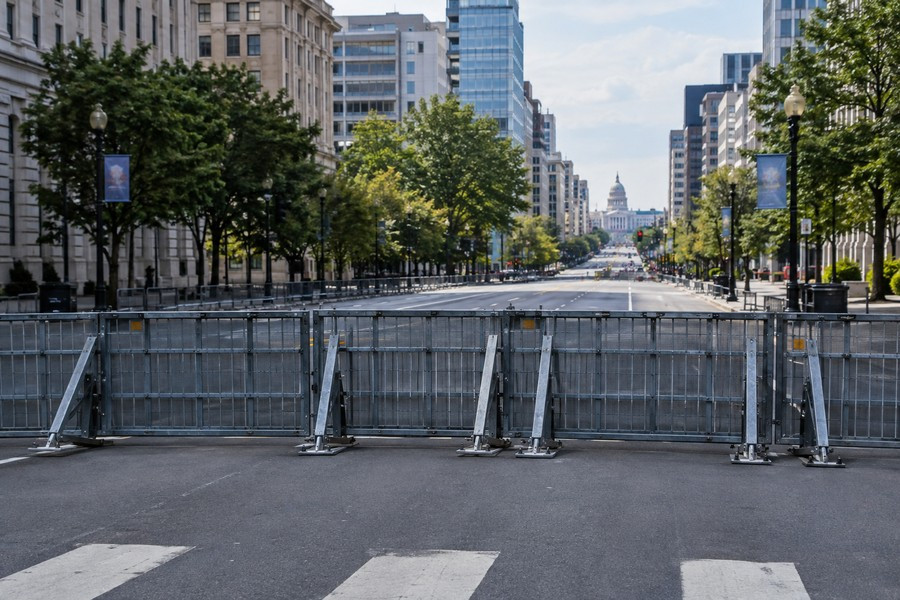
Huge Security Deployment Locks Down Capital City Ahead of Youth Protest
Tens of thousands of security officers have taken over key parts of India's capital city, Delhi, setting up heavy barricades and closing down transportation lines. The massive show of force comes as a popular youth group prepares to hold a major demonstration. Streets normally packed with cars are now blocked, and key travel routes face massive delays as authorities attempt to keep people away from the center of the city.
More than 30,000 police and paramilitary officers are guarding roads, checking travelers, and monitoring areas from the sky using drones. Several train services entering the city have been canceled, and dozens of subway stations are completely closed to stop crowds from gathering.
Why Are People Gathering to Demonstrate?
The demonstration is being organized by a youth-led group known as the Cockroach Janata Party, which grew out of a popular online satirical movement. The group is demanding major changes to how national elections are run in the country. Specifically, leaders of the movement are calling for the resignation of the top election official, Gyanesh Kumar, who oversees the country's voter lists.
At the center of the dispute is a recent update to the national voter rolls called the Special Intensive Revision. During this process, government workers removed about 130 million names from the official voter lists. Election officials stated that this effort was meant to remove duplicate or fake entries. However, critics, activist groups, and rival political leaders argue that many eligible voters were wrongly erased to help Prime Minister Narendra Modi and his ruling party win future elections. Both the election agency and the ruling party strongly deny these accusations.
Heavy Disruption Across the Capital
The heavy security measures have turned parts of the capital city into a fortress, creating severe travel problems for local residents. Traffic diversions have caused long delays across the region, turning typical 15-minute drives into trips lasting over an hour.
At the main demonstration site, Jantar Mantar, officers have placed heavy metal barricades, ropes, and checkpoints to stop people from entering. Security personnel have already questioned several early arrivals and detained a small group of individuals near the site. Authorities have also set up designated areas to keep journalists separate from the main public spaces, while loudspeakers at nearby intersections repeatedly play recorded messages asking people to obey police orders.
Key actions taken by law enforcement include:
- Closing multiple subway stations to prevent groups from traveling to the demonstration area.
- Canceling incoming train trips carrying people toward the capital city.
- Setting up metal barricades and drone surveillance around public squares.
- Detaining individuals who attempted to reach the central protest venue early.
Police Stance and Official Rules
Local law enforcement officials maintain that these extreme steps are necessary to protect public safety and prevent dangerous overcrowding. Official rules state that the central protest venue at Jantar Mantar can safely hold only about 1,000 people at one time, making large-scale crowds a safety hazard.
Officials also pointed out several reasons for denying the group permission to gather at the site:
- Lack of required notice: Rules require groups to submit an event application at least 10 days before any planned gathering.
- Past non-compliance: Organizers previously failed to follow official safety orders during past public events.
- Traffic and safety concerns: The size of the expected crowd poses a risk to citywide movement and public order.
Despite the official ban, movement leader Abhijeet Dipke stated that supporters intend to march to the central location regardless of police actions. Group leaders argue that citizens only need to inform authorities about public gatherings rather than ask for permission.
The Rising Power of the Youth Movement
This latest event follows months of growing tension driven by young activists. The group first gained national attention over the summer when thousands of young people protested over education system reforms. Those summer demonstrations involved intense clashes with police and ultimately led to the resignation of the country's education minister, Dharmendra Pradhan.
Since then, the group has expanded its focus to broader political issues, drawing support from a wide range of organizations. Recent public rallies led by the group took place in major regional hubs, including Mumbai and Bengaluru, drawing widespread attention across the nation.
The latest effort has gained backing from several key groups, making it one of the largest coordinated public efforts in recent history:
- Student unions demanding political transparency.
- Farmer organizations joining forces with young activists.
- Opposition political parties seeking changes to election rules.
Despite heavy security and official warnings for citizens to stay away, activist leaders claim that authorities are actively blocking supporters from entering the capital city, setting up a major standoff between public forces and thousands of young demonstrators.