
Protecting the Power Grid: New Security Rules Target Foreign Equipment
The President has declared a national emergency to protect the country's electricity network from potential foreign threats. A new official order aims to restrict the purchase and installation of certain foreign-made technology inside the electric grid.
The electric grid is a vital piece of infrastructure. It keeps the lights on in homes, powers life-saving equipment in hospitals, and runs schools and businesses. If foreign adversaries can access or control this system, they could cause widespread blackouts or steal sensitive information. This is why the government is taking steps to secure the technology that keeps the power flowing.
What the New Policy Does
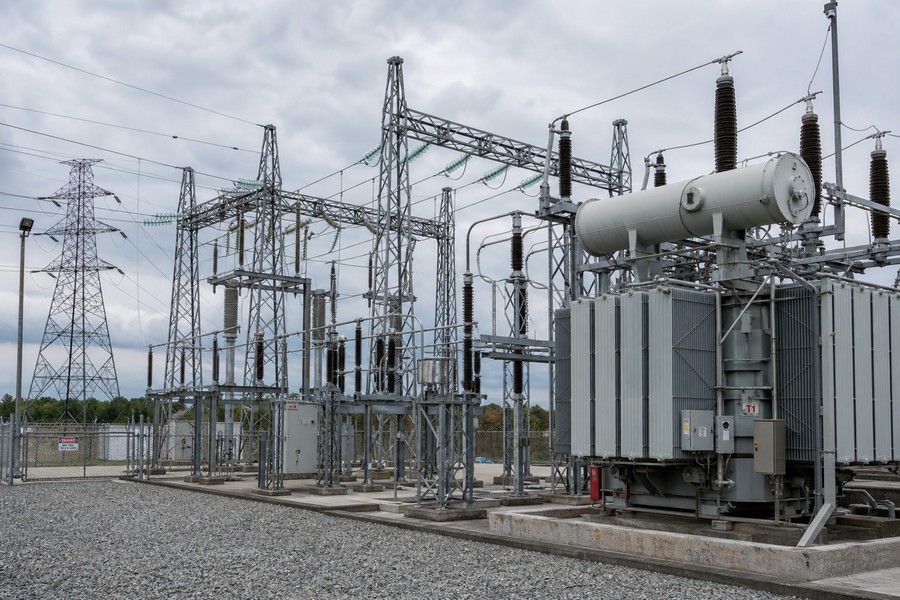
The new directive focuses on what is known as the bulk-power system. This is the large network of power plants, control rooms, and high-voltage transmission lines that move electricity across long distances. The order blocks specific foreign hardware, software, and digital systems that could allow outsiders to disrupt the grid or launch cyberattacks.
By stopping these purchases, the government hopes to close security gaps before hackers can exploit them. However, putting these changes into action will require a lot of coordination and effort from both the government and private companies. The goal is to create a shield around the most sensitive parts of the energy network.
The Big Challenge for Utility Companies
The government department in charge of energy has exactly 120 days to create the official rules for this policy. While those guidelines are being written, local power companies face a massive task. They must figure out exactly what equipment they are currently using and where it came from.
Industry experts point out that stopping new purchases of foreign equipment is the simple part of the job. The real difficulty lies in searching through existing systems. Many power companies have thousands of parts from different countries, and finding out which ones are safe is a slow, complicated process. Power companies are now on a tight schedule to check their systems.
Some of the main challenges utilities face include:
- Creating a complete list of every piece of equipment currently in use across the network.
- Identifying the origin of all software and digital components.
- Checking for hidden security risks in older systems that have been running for years.
- Managing the costs of replacing parts that do not meet the new safety standards.
Previous Security Concerns
This new action is part of a larger, ongoing effort to secure the nation's energy systems. In the past, security researchers discovered unlisted communication tools hidden inside foreign-made solar power equipment. These hidden tools could allow outsiders to send signals to the devices without the utility company ever knowing.
Because of these discoveries, federal regulators previously stopped the import of certain foreign power devices that had remote communication features. The latest order builds on those earlier safety steps to prevent similar vulnerabilities in other parts of the grid. By learning from these past events, officials hope to stay one step ahead of potential threats.
Finding a Balance for the Future
It is important to note that the new policy does not ban all foreign-made equipment. Doing so would cause major disruptions because many parts of the power grid rely on global supply chains. Replacing everything at once would be nearly impossible and could lead to power outages.
Instead, the Energy Secretary will set specific rules. These rules will decide how companies can safely keep using some of their existing foreign equipment. The goal is to find a balance between keeping the power flowing and keeping the system secure.
Experts agree that giving power companies the tools to spot high-risk equipment without shutting down the lights is the most important next step. The country needs a clear, step-by-step plan to make the grid safer day by day, ensuring that the transition to more secure equipment does not interrupt daily life.