
Evaluating The President's Commitment to Reducing Energy Prices
During his campaign, the President made a pledge to halve the energy costs for Americans, making gasoline and electricity more affordable. Additionally, he expressed a desire to boost American energy production through increased drilling. A year on, let's delve into whether or not these promises have been fulfilled.
More Affordable Gasoline
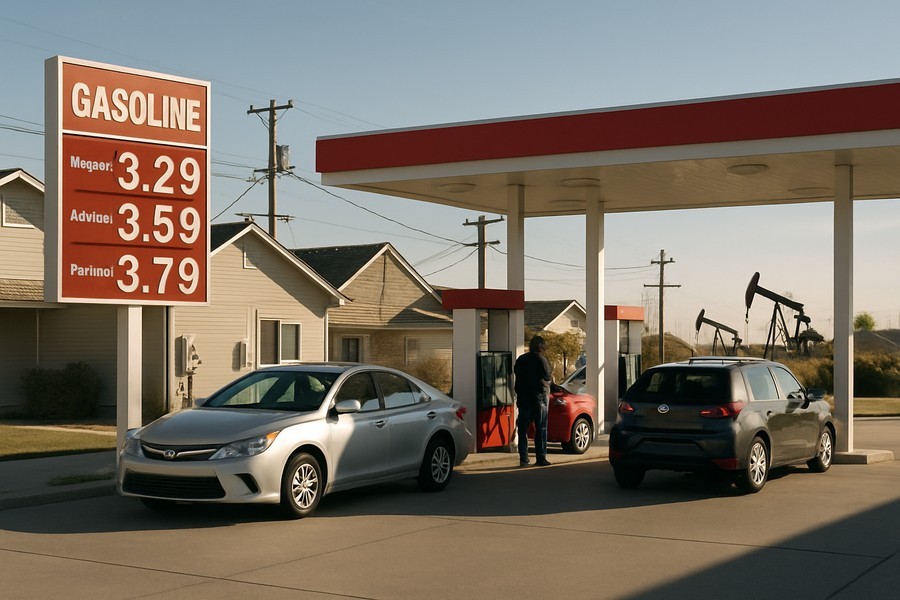
One year later, the cost of gasoline has dropped by roughly 20%. However, this price decrease does not necessarily mean that American oil companies have ramped up their drilling activity. Since the price of oil is currently relatively low, it doesn't encourage more drilling. Nevertheless, there have been significant lobby victories within the oil industry that have softened the blow of these low prices. Meanwhile, the cost of electricity seems to be on an upward trend.
When it comes to gasoline prices, the President doesn't have direct control over these. The cost of crude oil, which is the primary factor in determining gas prices, is influenced by a multitude of factors in the complex global marketplace.
Over the past year, an oversupply of oil on a global scale, driven largely by the oil cartel OPEC+'s decisions to flood the market with more oil, has led to the reduction in crude oil prices. While this has led to lower global prices, it has also allowed OPEC+ members to grab a larger share of the market. However, it's also been noted that the President applied significant pressure on OPEC to reduce global crude oil prices, with some attributing partial credit to him for the current low prices.
Looking ahead, the President's push to increase oil production from Venezuela could help keep global crude prices low for an extended period, provided he can persuade companies to invest. It's been found that U.S. households spent an average of $177 less on gasoline, thanks to these lower prices, and it's predicted that this trend of reduced expenditure will continue into the next year, saving Americans a collective $11 billion.
Increased Drilling Activity?
Despite lower oil prices, the much-touted "Drill, baby, drill" strategy has not materialized. The number of active drilling rigs in the U.S, the world's largest oil producer, has decreased by over 6% year-over-year. This means fewer new wells are being drilled, even as the current administration has made it easier for companies to initiate new projects, including by making more federal lands and waters available for leases.
With U.S. oil prices below $60 a barrel and an oversupply of crude oil in the global market, it's currently unprofitable for companies to drill new wells. This fact has led to a divide between the administration and its allies in the U.S. oil industry, as while the President prefers cheap oil, companies would rather have higher prices.
Increasing Electricity Costs
Electricity prices have been on the rise for several years, and this trend continued. While oil and gasoline are cheap, natural gas — which is used for home heating and power plants — has become over 50% more expensive than the previous year's average. This price increase is due to an increase in U.S. exports of natural gas, which means less is available domestically.
These rising costs are a result of three main factors: an aging power grid, the cost of natural disasters, and higher fuel costs, especially for natural gas. Over 80 million Americans are struggling to pay their utility bills. The administration's electricity policy has not focused on lowering natural gas costs, improving the grid, or mitigating the effects of natural disasters. Instead, it has focused on reversing previous climate policies, ordering coal-powered power plants to stay open for longer, even though these plants are typically expensive to operate.
Some policies from the administration could potentially increase electricity bills in the future. They have ended federal tax credits for solar and wind projects early and canceled funds for green energy projects. Furthermore, the administration has attempted to halt offshore wind projects already under construction, creating uncertainty and discouraging investments in projects that could be supplying more energy into the grid.
The administration is also reducing efficiency standards for appliances, which could increase consumer bills by increasing energy use. On the other hand, some strategies that could significantly cut costs have not been prioritized by the administration. The President has recently been discussing ensuring that AI data centers pay their fair share for electricity costs. Depending on how costs are spread out, there is a genuine opportunity to reduce energy bills for ordinary Americans as data center demand for electricity increases. However, for now, the administration's commitment to reducing utility bills remains unfulfilled.