
Efforts to Reduce High Fuel Costs Ahead of Elections
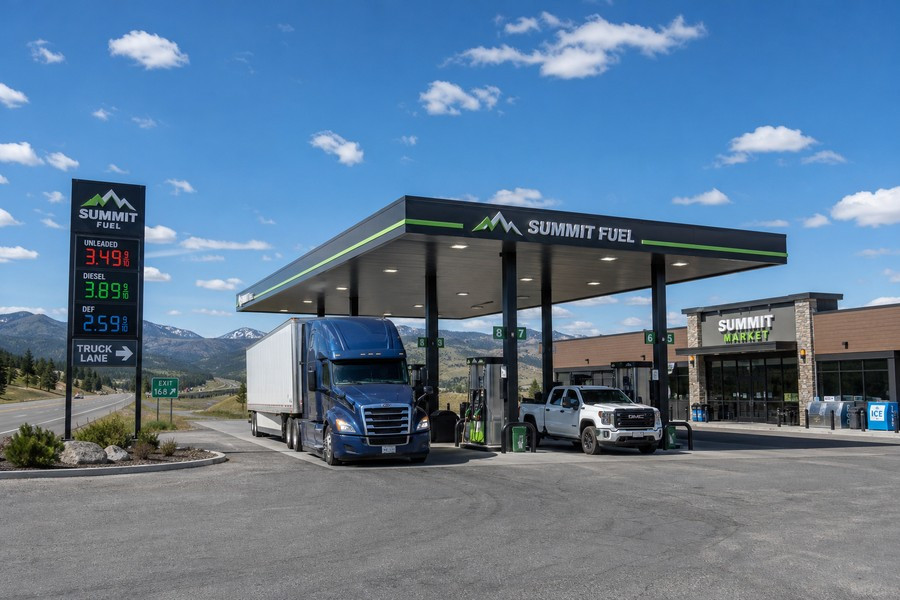
Gasoline and diesel prices have jumped sharply over recent months following military conflict in the Middle East. High energy expenses are straining household budgets across the country, affecting commuters, truckers, and farmers alike. With upcoming midterm elections approaching, public concern over the cost of living has placed heavy pressure on government leaders to lower fuel prices.
Several proposals and policy adjustments have been introduced to address the problem. These steps aim to increase the availability of fuel and provide financial relief at the pump, though some solutions may only offer short-term results.
Securing More Diesel and Tapping Reserves
To increase the overall supply of fuel, an agreement was reached to import diesel from Russia directly into the domestic market. The planned shipments include:
- An initial delivery of 300,000 tonnes of diesel to arrive right away.
- A second shipment of 500,000 tonnes scheduled for the following month.
- An additional 1 million tonnes planned shortly after.
- Up to 3 million more tonnes in the future, depending on the operational status of overseas refining facilities.
In addition to these imports, international partner nations agreed to release 100 million barrels of oil and diesel from emergency reserves. While opening these reserves has helped slow price increases, drawing down emergency stocks is a temporary fix. These reserves will eventually need to be refilled, which could keep energy prices high in the long run.
Tax Relief Ideas and Off-Road Fuel Rules
Another effort involves temporary changes to fuel taxes and regulations to lower costs for drivers:
Using Red Dye Diesel on Highways: A temporary rule allows drivers to use off-road "red dye" diesel on public highways without paying federal taxes. Red dye diesel is functionally identical to standard highway diesel, but it is marked with dye to show it is intended for tax-exempt equipment like farm machinery or trains. However, this policy presents challenges:
- The red dye remains in fuel tanks for a long time, exposing drivers to potential tax evasion fines once the temporary rule expires.
- Using off-road diesel for regular highway driving reduces the available supply needed for farming and rail transport.
Gas Tax Cuts: Federal leaders are considering a temporary pause on the national gasoline tax, though this would require approval from lawmakers. Meanwhile, several state governments have already reduced or paused their own state fuel taxes to help local drivers. While these tax cuts lower pump prices, they also reduce state government funding significantly.
Proposed Export Restrictions and Market Reality
To keep more fuel inside the country, there has been support for limiting or banning diesel exports to other nations. While this could help lower prices in certain central and southern regions, it would offer little relief to the West Coast or the Northeast. Stopping exports could also lead to storage facilities filling up completely, forcing refineries to slow down overall production.
Despite these efforts, global energy markets remain tight. Conflict near major ocean shipping routes has disrupted the flow of crude oil, keeping prices well above normal levels. Even if international conflicts end soon, repairing damaged energy infrastructure could take four to six months. As a result, fuel prices are likely to stay elevated for the foreseeable future.