
Donald Trump was asked a simple yes-or-no question on live television, and somehow the answer arrived surrounded by election conspiracies, vote-counting complaints, and a history lesson that was off by two decades. Fox News had just called Minnesota’s Senate race for Democrat Peggy Flanagan when the interview veered into a full tour of Trump’s explanations for why Republicans had lost.
Then host Bret Baier asked whether Trump would accept the results of the election, which gave Democrats control of both the Senate and the House of Representatives. Trump’s answer was brief. Everything around it was considerably less tidy.
The Race Call Changed The Mood Immediately
After Baier announced Flanagan’s victory, Trump began talking about Minnesota’s political history. His version of that history got tangled almost instantly.
“But Minnesota, it’s been 1952; Richard Nixon was the last to win it, and it’s a joke because I won it three times, and the people that count the votes are much more important than the candidates,” Trump said. “So that’s what I complain about, but it’s not gonna matter because the end result is what you saw tonight on television.”
Trump appeared to mean 1972, not 1952. Richard Nixon was the last Republican presidential candidate to win Minnesota, doing so in 1972. The correction was the easy part of the moment. The rest of the comment took the conversation somewhere much stranger.
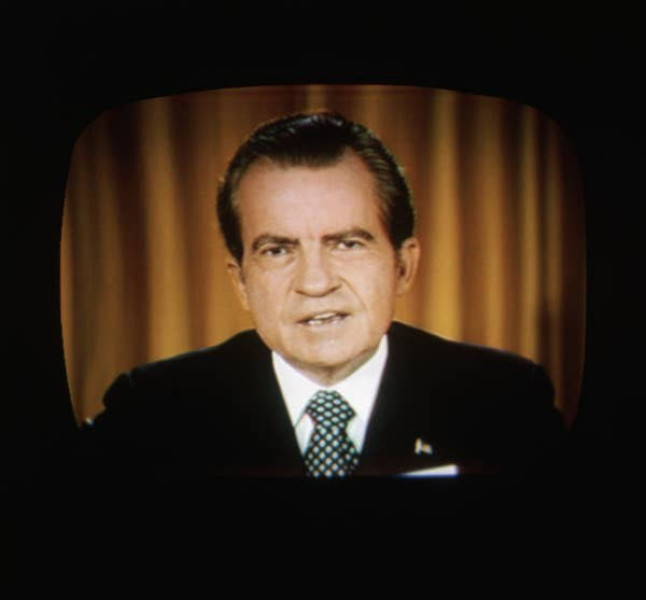
Trump accused Minnesota of having a voting system that was “a joke” and complained that the people counting the votes were “much more important than the candidates.” He also said the complaints would not change the result because viewers had already seen the outcome on television.
That is a remarkable combination to deliver right after a race call: the result is final, but the process that produced it is supposedly a joke. Trump seemed willing to accept what had happened only after taking several swings at the machinery behind it.
Baier Asked For A Straight Answer
Baier then pressed Trump on whether he would accept the results of Tuesday’s election. Democrats had won control of both chambers of Congress, turning the night into a massive setback for Republicans.
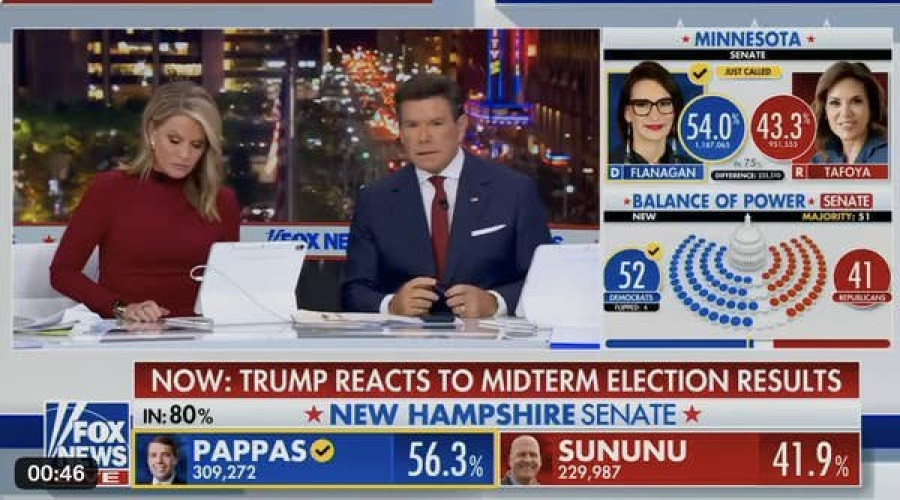
“Yeah, sure I’ll accept them,” Trump said.
There it was: the clean answer the question demanded. But by that point, Trump had already spent much of the exchange suggesting that election workers and the counting process deserved more scrutiny than the candidates did.
That made the answer land with an odd thud. He was not responding to an unresolved recount or a race that remained too close to call. Fox News had called the Minnesota Senate race for Flanagan, and the broader results had handed Democrats control of the Senate and House. Trump accepted the outcome in a sentence, then immediately returned to the reasons he believed the outcome did not tell the full story.
Trump Had Plenty Of Explanations Ready
The Minnesota comments were only one part of Trump’s reaction to the Republican losses. He had already started pointing to causes outside his own performance and his party’s campaign.
Trump told the Wall Street Journal that the Iran war was partly responsible for the GOP’s problems. He also claimed that his absence from the ballot had affected the election results.
Then he blamed Texas Republican Gov. Gregg Abbott for losing his reelection bid to Democrat Gina Hinojosa.
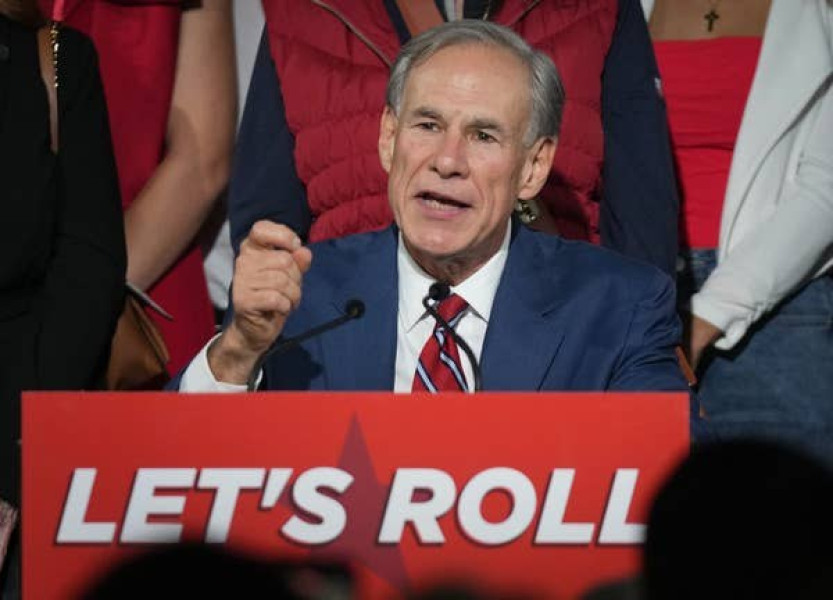
Trump later sharpened that criticism in a post on Truth Social.
“If Greg Abbott, the Governor of Texas, hadn’t become a RINO in the last six months of his Political Life, he wouldn’t have lost,” Trump wrote. “He went back to his original formula, and it wasn’t pretty!”
“RINO” means “Republican in name only,” so the message was not exactly a gentle suggestion that Abbott revisit his campaign strategy. Trump’s explanation for the losses now stretched across election workers, an international conflict, his own absence from the ballot, and the political choices of a Republican governor.
One Sentence, Several Complications
The awkwardness of the interview came from the gap between Trump’s direct answer and everything surrounding it. Asked whether he would accept the results, he said yes. Before that answer, he had questioned Minnesota’s election system and criticized the people counting the votes. Afterward, he continued offering explanations for why Republicans had been beaten.
Baier managed to pin him down for a moment, but the moment did not stay pinned down for long. Trump’s response followed a familiar pattern: acknowledge the result, then challenge the process and search for someone else to blame.
By the end of the exchange, the facts were straightforward. Fox News had called Minnesota’s Senate race for Peggy Flanagan. Democrats had won control of both the Senate and the House. Trump said he would accept the results, while also arguing that the vote-counting system was deeply suspect and that several outside factors had caused the Republican losses.
So yes, he accepted the election results. He just made sure to surround that acceptance with enough complaints, accusations, and blame to keep the answer from sounding simple.
What did you make of Trump’s live response after Fox News called the Minnesota race?
Then host Bret Baier asked whether Trump would accept the results of the election, which gave Democrats control of both the Senate and the House of Representatives. Trump’s answer was brief. Everything around it was considerably less tidy.
The Race Call Changed The Mood Immediately
After Baier announced Flanagan’s victory, Trump began talking about Minnesota’s political history. His version of that history got tangled almost instantly.
“But Minnesota, it’s been 1952; Richard Nixon was the last to win it, and it’s a joke because I won it three times, and the people that count the votes are much more important than the candidates,” Trump said. “So that’s what I complain about, but it’s not gonna matter because the end result is what you saw tonight on television.”
Trump appeared to mean 1972, not 1952. Richard Nixon was the last Republican presidential candidate to win Minnesota, doing so in 1972. The correction was the easy part of the moment. The rest of the comment took the conversation somewhere much stranger.
Trump accused Minnesota of having a voting system that was “a joke” and complained that the people counting the votes were “much more important than the candidates.” He also said the complaints would not change the result because viewers had already seen the outcome on television.
That is a remarkable combination to deliver right after a race call: the result is final, but the process that produced it is supposedly a joke. Trump seemed willing to accept what had happened only after taking several swings at the machinery behind it.
Baier Asked For A Straight Answer
Baier then pressed Trump on whether he would accept the results of Tuesday’s election. Democrats had won control of both chambers of Congress, turning the night into a massive setback for Republicans.
“Yeah, sure I’ll accept them,” Trump said.
There it was: the clean answer the question demanded. But by that point, Trump had already spent much of the exchange suggesting that election workers and the counting process deserved more scrutiny than the candidates did.
That made the answer land with an odd thud. He was not responding to an unresolved recount or a race that remained too close to call. Fox News had called the Minnesota Senate race for Flanagan, and the broader results had handed Democrats control of the Senate and House. Trump accepted the outcome in a sentence, then immediately returned to the reasons he believed the outcome did not tell the full story.
Trump Had Plenty Of Explanations Ready
The Minnesota comments were only one part of Trump’s reaction to the Republican losses. He had already started pointing to causes outside his own performance and his party’s campaign.
Trump told the Wall Street Journal that the Iran war was partly responsible for the GOP’s problems. He also claimed that his absence from the ballot had affected the election results.
Then he blamed Texas Republican Gov. Gregg Abbott for losing his reelection bid to Democrat Gina Hinojosa.
Trump later sharpened that criticism in a post on Truth Social.
“If Greg Abbott, the Governor of Texas, hadn’t become a RINO in the last six months of his Political Life, he wouldn’t have lost,” Trump wrote. “He went back to his original formula, and it wasn’t pretty!”
“RINO” means “Republican in name only,” so the message was not exactly a gentle suggestion that Abbott revisit his campaign strategy. Trump’s explanation for the losses now stretched across election workers, an international conflict, his own absence from the ballot, and the political choices of a Republican governor.
One Sentence, Several Complications
The awkwardness of the interview came from the gap between Trump’s direct answer and everything surrounding it. Asked whether he would accept the results, he said yes. Before that answer, he had questioned Minnesota’s election system and criticized the people counting the votes. Afterward, he continued offering explanations for why Republicans had been beaten.
Baier managed to pin him down for a moment, but the moment did not stay pinned down for long. Trump’s response followed a familiar pattern: acknowledge the result, then challenge the process and search for someone else to blame.
By the end of the exchange, the facts were straightforward. Fox News had called Minnesota’s Senate race for Peggy Flanagan. Democrats had won control of both the Senate and the House. Trump said he would accept the results, while also arguing that the vote-counting system was deeply suspect and that several outside factors had caused the Republican losses.
So yes, he accepted the election results. He just made sure to surround that acceptance with enough complaints, accusations, and blame to keep the answer from sounding simple.
What did you make of Trump’s live response after Fox News called the Minnesota race?