
One accidental shot of a QR code turned a dinner in Japan into a live audience-participation event. Twitch streamer Lacy says viewers used it to order food for his table, then watched him try to figure out who was paying for the feast.
Lacy, whose real name is Nicholas “Nick” Fosco, was dining with his girlfriend, TikTok influencer Darla Claire, during an Oct. 28 livestream. The restaurant’s ordering system used a QR code tied to each table. Customers scanned it to browse the menu and place orders. Lacy accidentally showed his table’s code to the camera, and some of his 3.5 million followers apparently spotted their chance.
Viewers could access the menu remotely and order food for the table. Soon, dishes were arriving that Lacy said he hadn’t ordered.
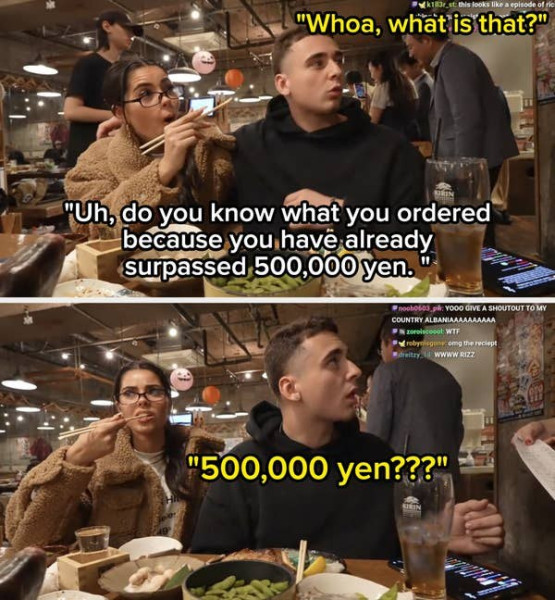
A server approached with questions about the additional food. Lacy looked confused and insisted they hadn’t ordered more. Then he figured out what might have happened.
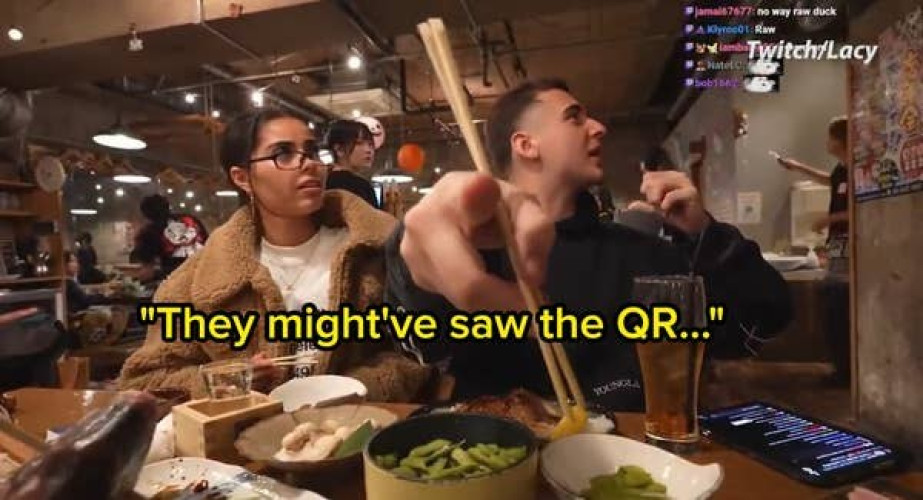
“Ohh, they might’ve saw the QR,” he said, pointing at the camera. The menu had gone from dinner-table convenience to a direct line between his viewers and the restaurant’s kitchen.
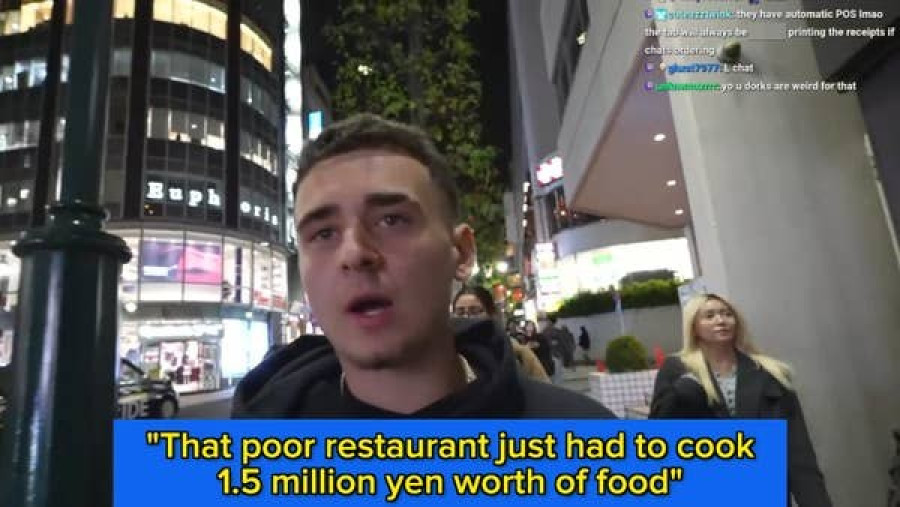
Lacy tried to stop any more orders, but the ones already sent to the kitchen were another matter. Later in the stream, he addressed his audience and said the prank had left him with a $12,000 bill. “Because you guys thought it would be funny,” he told them.
The receipts start arriving
The stream showed one receipt totaling 500,000 Japanese yen, about $3,167. Lacy said two more receipts followed, bringing the total to around 1.6 million yen. That was his account of the bill; the restaurant would later give a different version.
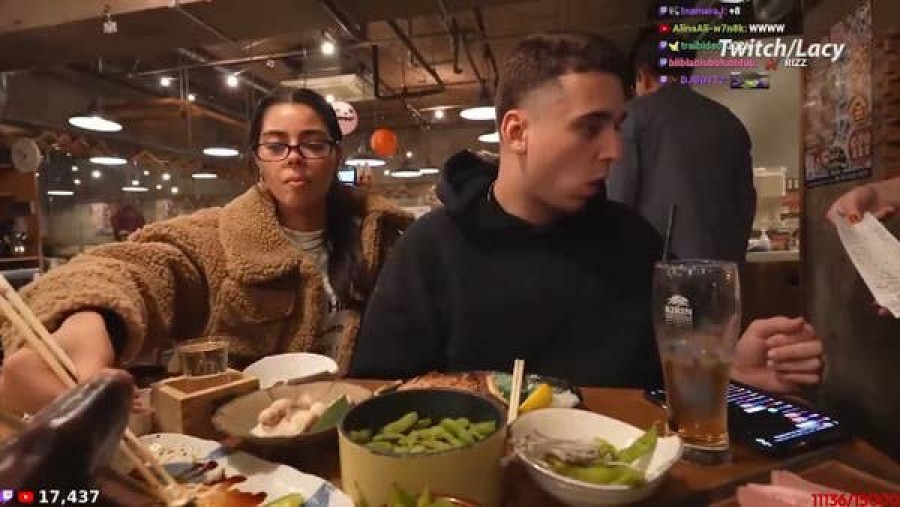
He also said 15 plates of food came out that the table hadn’t ordered. “And then they come out with 15 plates of food that just had to go to waste, so that poor restaurant just had to cook 1.5 million yen worth of food,” he said.
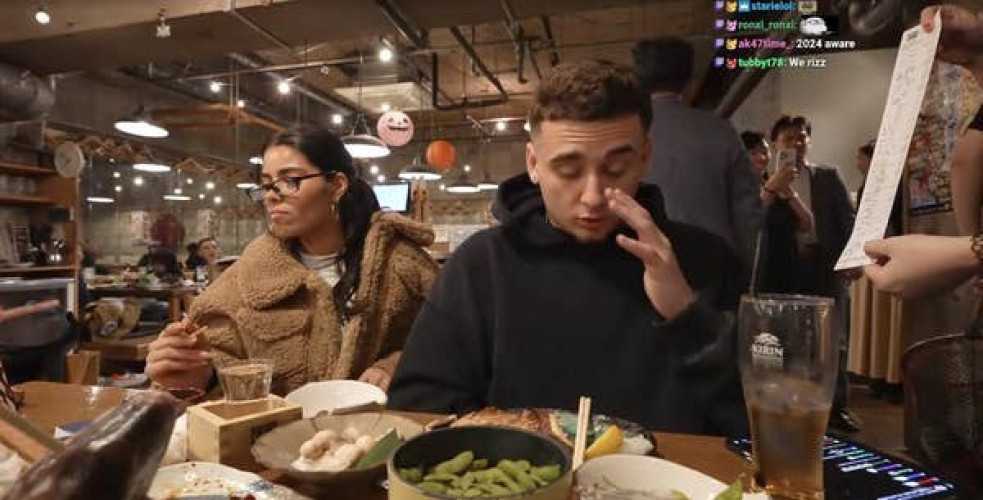
Lacy’s frustration wasn’t only about the money. He said he felt bad for the employee caught between a kitchen full of orders and a table saying they hadn’t placed them. “I’ll pay for it, sorry about that, you can hand out the food to all the families here,” he said he told the server.
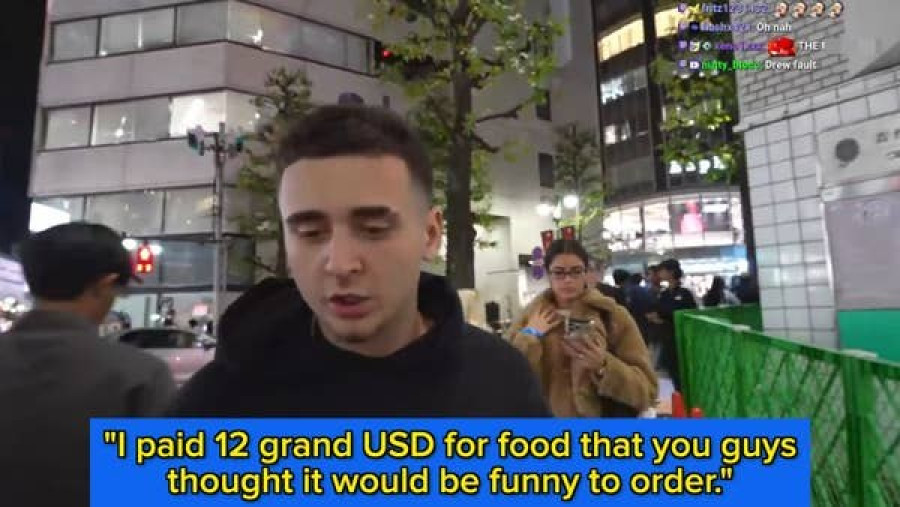
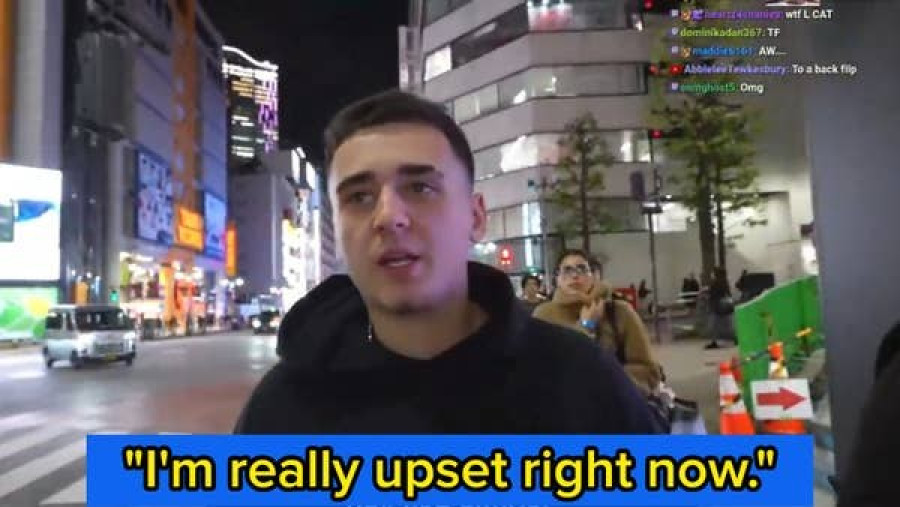
The viewers may have been entertained. Lacy wasn’t. “I’ve never seen anything like that,” he said. “That was, like, weird, chat. I’m really upset right now.”
The restaurant tells a different story
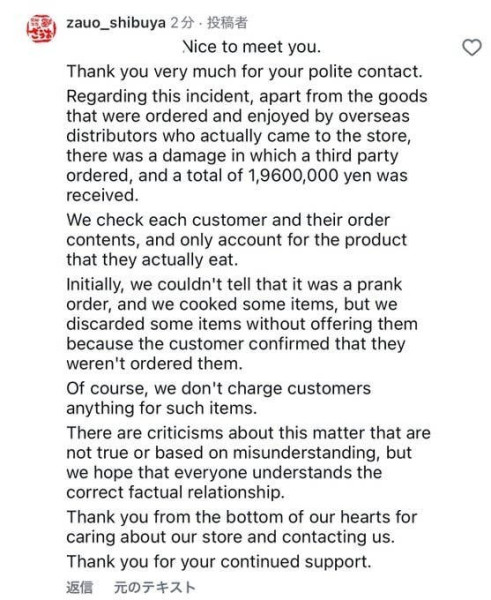
There was a catch in Lacy’s account: screenshots shared by an X user appeared to show a statement from Zauo Shibuya, the restaurant, disputing that he paid for all the unwanted food. According to the screenshots, the restaurant charged him only for what he actually ate.
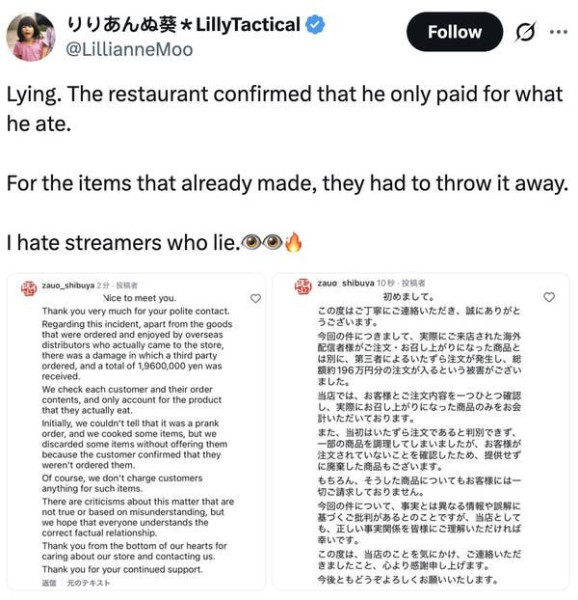
The purported statement said the restaurant received prank orders worth 1.96 million yen, more than Lacy’s estimate of about 1.6 million. “We carefully reviewed each order with the customer and charged them only for the items they actually consumed,” it said in Japanese, according to a translation of the statement.
The restaurant’s account also differed on what happened to the extra food. It said some items were discarded, rather than handed out to other diners. The statement said the restaurant hoped people would understand what had happened, after receiving criticism based on what it called a misunderstanding.
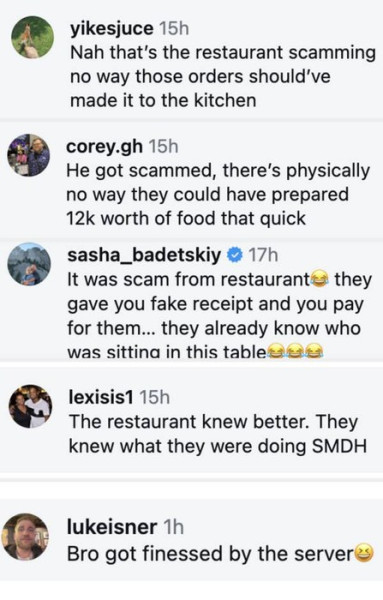
Online, the restaurant’s statement didn’t settle the argument. Some commenters accused it of scamming Lacy. Others questioned his version of events: Why would staff fulfill such a huge order without checking with the table? And why didn’t the livestream show all those extra dishes arriving?
Some viewers also wondered how many of Lacy’s audience members were fans in any meaningful sense. One X user put it bluntly: “this is what it looks like in real time to realize you hate the very people that you make all of your money off of.”
The exact final bill remains unclear, and the restaurant’s account conflicts with Lacy’s. But the prank itself put restaurant employees in the middle of a mess they didn’t create. A few taps on a screen were enough to send orders toward a real kitchen, where people had to prepare them and deal with the confusion. That’s a lot less funny when somebody else has to clean up after your bit.
Would you have paid for the unwanted orders, or tried to make the viewers cover the bill?
Lacy, whose real name is Nicholas “Nick” Fosco, was dining with his girlfriend, TikTok influencer Darla Claire, during an Oct. 28 livestream. The restaurant’s ordering system used a QR code tied to each table. Customers scanned it to browse the menu and place orders. Lacy accidentally showed his table’s code to the camera, and some of his 3.5 million followers apparently spotted their chance.
Viewers could access the menu remotely and order food for the table. Soon, dishes were arriving that Lacy said he hadn’t ordered.
A server approached with questions about the additional food. Lacy looked confused and insisted they hadn’t ordered more. Then he figured out what might have happened.
“Ohh, they might’ve saw the QR,” he said, pointing at the camera. The menu had gone from dinner-table convenience to a direct line between his viewers and the restaurant’s kitchen.
Lacy tried to stop any more orders, but the ones already sent to the kitchen were another matter. Later in the stream, he addressed his audience and said the prank had left him with a $12,000 bill. “Because you guys thought it would be funny,” he told them.
The receipts start arriving
The stream showed one receipt totaling 500,000 Japanese yen, about $3,167. Lacy said two more receipts followed, bringing the total to around 1.6 million yen. That was his account of the bill; the restaurant would later give a different version.
He also said 15 plates of food came out that the table hadn’t ordered. “And then they come out with 15 plates of food that just had to go to waste, so that poor restaurant just had to cook 1.5 million yen worth of food,” he said.
Lacy’s frustration wasn’t only about the money. He said he felt bad for the employee caught between a kitchen full of orders and a table saying they hadn’t placed them. “I’ll pay for it, sorry about that, you can hand out the food to all the families here,” he said he told the server.
The viewers may have been entertained. Lacy wasn’t. “I’ve never seen anything like that,” he said. “That was, like, weird, chat. I’m really upset right now.”
The restaurant tells a different story
There was a catch in Lacy’s account: screenshots shared by an X user appeared to show a statement from Zauo Shibuya, the restaurant, disputing that he paid for all the unwanted food. According to the screenshots, the restaurant charged him only for what he actually ate.
The purported statement said the restaurant received prank orders worth 1.96 million yen, more than Lacy’s estimate of about 1.6 million. “We carefully reviewed each order with the customer and charged them only for the items they actually consumed,” it said in Japanese, according to a translation of the statement.
The restaurant’s account also differed on what happened to the extra food. It said some items were discarded, rather than handed out to other diners. The statement said the restaurant hoped people would understand what had happened, after receiving criticism based on what it called a misunderstanding.
Online, the restaurant’s statement didn’t settle the argument. Some commenters accused it of scamming Lacy. Others questioned his version of events: Why would staff fulfill such a huge order without checking with the table? And why didn’t the livestream show all those extra dishes arriving?
Some viewers also wondered how many of Lacy’s audience members were fans in any meaningful sense. One X user put it bluntly: “this is what it looks like in real time to realize you hate the very people that you make all of your money off of.”
The exact final bill remains unclear, and the restaurant’s account conflicts with Lacy’s. But the prank itself put restaurant employees in the middle of a mess they didn’t create. A few taps on a screen were enough to send orders toward a real kitchen, where people had to prepare them and deal with the confusion. That’s a lot less funny when somebody else has to clean up after your bit.
Would you have paid for the unwanted orders, or tried to make the viewers cover the bill?