
U.S. Eases Some Tariffs on Canadian Goods as Trade Fight Continues
Relief for Selected Products
The U.S. government is reducing some of its steep tariffs on goods imported from Canada. The change covers products such as plywood, certain paper goods, machinery, and refrigeration equipment.
Some packing crates and boxes will also no longer face the added charges. However, the policy will place new tariffs on other products, including carpets and certain waste materials.
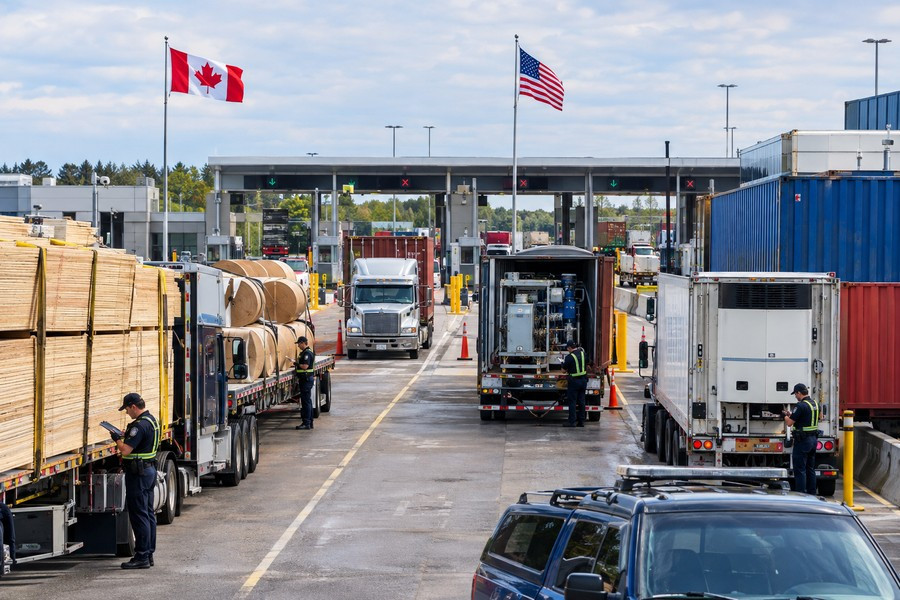
The changes come as the United States and Canada remain locked in a major trade dispute. The conflict has raised costs for businesses and consumers in both countries, especially in communities near the shared border.
A Major Trade Dispute
The United States placed a 50% tariff on about $20 billion worth of Canadian goods after trade negotiations broke down. The administration said the tariffs were meant to respond to what it described as unfair treatment of American car, dairy, and alcohol exports.
Canada answered with its own tariffs on American products. Canadian Prime Minister Mark Carney said the measures were needed to protect Canadian workers and businesses.
Canada later matched the U.S. tariffs on a dollar-for-dollar basis. The move increased pressure on companies that depend on trade between the two nations.
The latest U.S. decision removes tariffs from some products but adds them to others. As a result, the broader trade conflict remains in place even as certain industries receive limited relief.
Senator Highlights Maine Industries
Republican Senator Susan Collins of Maine said she pushed the administration to remove tariffs from products important to her state. She said she had repeatedly contacted senior officials to seek help for local businesses.
Maine shares a border with the Canadian provinces of New Brunswick and Quebec. Many businesses in the state depend on customers, suppliers, workers, and transportation links connected to Canada.
Collins pointed to several Maine industries that could benefit from the exemptions, including producers of:
- Blueberries
- Potatoes
- Apples
- Seaweed
She said she would continue pressing for more tariff relief and for a wider trade agreement with Canada. She described Canada as a neighbor, ally, and major trading partner of the United States.
Political Pressure Builds
The tariff change was announced shortly before congressional elections. Those elections will help decide whether Republicans or Democrats control Congress, which could affect the rest of the president’s term.
Collins is facing a close race to keep her Senate seat. Her Democratic opponent, Troy Jackson, criticized her response to the trade policy.
Jackson argued that the trade conflict had made daily life more expensive for people in Maine. He said Collins had supported the administration and the officials responsible for the policy, then sought credit for offering limited relief.
His criticism reflects a wider concern in border states, where companies have felt the impact of higher costs and disrupted trade. Michigan Republican Mike Rogers has also urged the president to end the standoff. Rogers had previously defended the tariff policy in advertisements aimed at voters in his trade-dependent state.
Canada Seeks a Fair Agreement
President Donald Trump said Canada was working hard toward a new trade agreement with the United States. Canadian leaders have also said they want a deal that benefits both countries.
Carney has worked to strengthen Canada’s economic ties with Europe since the trade conflict began. At the same time, he said Canada remains willing to reach an agreement with the United States.
Carney made clear that Canada would not accept an unfair deal simply to end the dispute quickly. He said an agreement could be completed soon if both sides were ready, but Canada was also prepared to wait as long as necessary for a proper arrangement.
Businesses Still Face Uncertainty
The tariff exemptions may provide some help to selected industries, but they do not end the larger dispute. Companies must still determine which products are covered, which goods will face new charges, and how the changes will affect prices and supply chains.
For farmers, manufacturers, retailers, and transportation companies, the uncertainty remains a serious problem. Many businesses on both sides of the border rely on steady trade and predictable costs.
The United States and Canada now face a choice between continuing the tariff fight or returning to broader negotiations. Until a lasting agreement is reached, workers and businesses in both countries will continue dealing with the effects of the trade conflict.