
Louisiana Republican Senator John Kennedy made an unusual statement about race and equality during a speech at the Lincoln-Reagan Dinner in Ohio. While discussing the country’s progress on racism, Kennedy said that many Americans focus less on skin color and more on a person’s character. He then added a surprising comparison involving bears and chickens, creating a memorable moment that stood out from the rest of his remarks.
A Strange Comparison During a Speech About Race


Kennedy said that the United States still had work to do on racial issues, but he argued that many people no longer think primarily about someone’s color. Instead, he said, they consider a person’s character. He also referred to the idea that a person’s soul has no color, presenting it as a basic truth about human equality.
He then shifted to a comparison involving the animal kingdom. Kennedy asked what Americans understand instinctively and answered that, from a bear’s point of view, all people taste like chicken. The statement appeared intended to suggest that people share a common human identity when viewed from outside the social divisions created by race. However, the unusual wording made the comment difficult to interpret as a traditional discussion of civil rights.
The remarks combined a serious subject with an unexpected image, making the speech especially distinctive. Discussions about racism often focus on history, discrimination, unequal treatment, and the need for continued progress. Kennedy instead used a statement about human souls and a predator’s supposed view of people to express his point about shared humanity.
Kennedy’s Reputation for Unusual Remarks
The senator has developed a reputation for making memorable and unconventional public statements. His comments often use colorful comparisons, dramatic warnings, or exaggerated examples to draw attention to an issue. The speech about race followed that broader pattern, pairing a familiar argument about character with an image that few listeners would expect to hear at a political dinner.
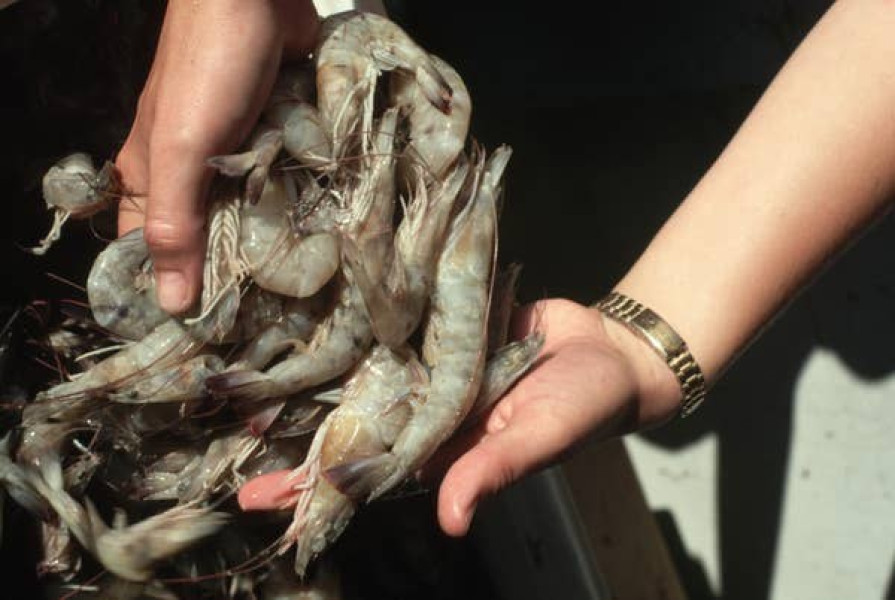
His unusual style has also appeared during discussions about food safety and imported seafood. Kennedy raised concerns about radioactive shrimp and oysters, warning that consuming too much of the affected seafood could cause severe physical harm. During one exchange with Agriculture Secretary Brooke Rollins, he asked whether people might grow an extra ear after eating too many foreign shrimp and oysters.
The question was framed as a warning about possible contamination, but the reference to an extra ear gave the discussion a dramatic and highly unusual tone. Food safety concerns can involve complex questions about inspections, contamination levels, and public health. Kennedy expressed those concerns through an extreme hypothetical image rather than through a technical explanation.
A Dramatic Senate Display
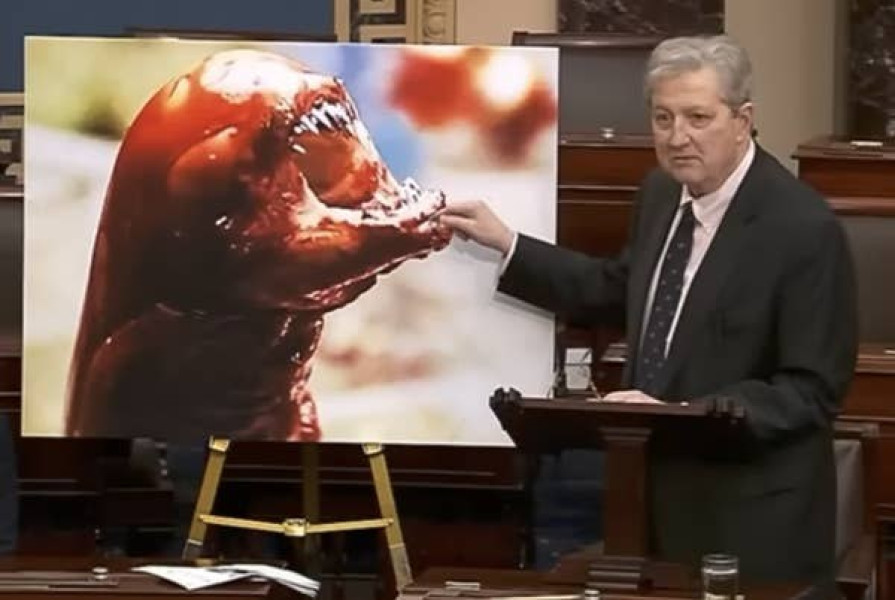
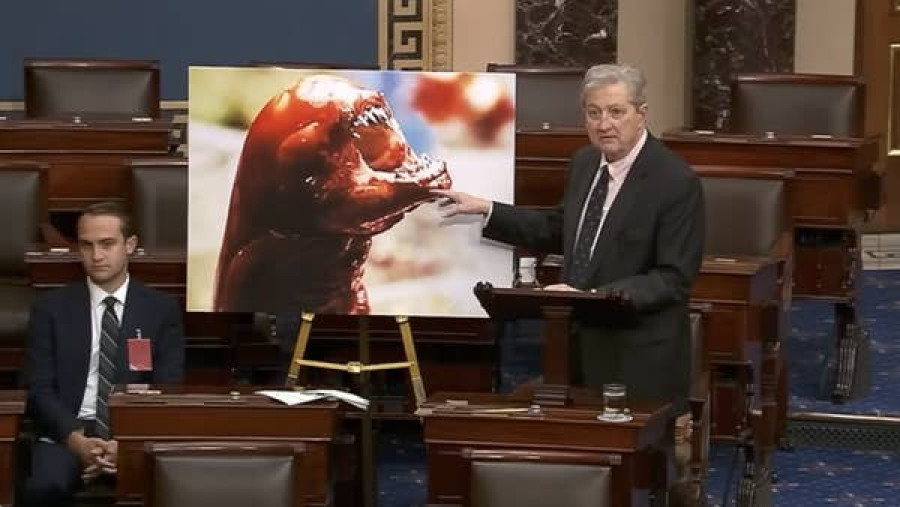
Kennedy also used a visual prop while discussing the shrimp issue on the Senate floor. He displayed a cardboard image of the alien creature from a science-fiction horror film. He told senators that the creature represented what someone might eventually look like after eating raw frozen shrimp that had been exposed to radiation.
He further claimed that the shrimp was radioactive and warned that eating it could be fatal. The display connected a real food safety concern with a fictional monster, creating a dramatic contrast between public health policy and movie imagery. The use of the poster made the speech more theatrical than a standard legislative presentation.
The shrimp comments and the racism comments shared a similar communication style. In both cases, Kennedy began with a serious topic and then used an unexpected comparison to make his argument. The examples were easy to remember because they relied on strong visual images, including a bear, a chicken, an extra ear, and a fictional alien.
Why the Language Stands Out
Political speeches often use familiar phrases about unity, fairness, and national responsibility. Kennedy’s remarks followed part of that tradition when he said that character matters more than color and that human souls do not have a color. Those ideas are commonly used to describe equality and the belief that people should be judged by their actions rather than their appearance.
The bear comparison, however, moved the statement in a very different direction. Rather than ending with a direct appeal for equal treatment, Kennedy concluded with a comment about how a bear might view human beings as food. The image does not directly explain the causes of racism or describe the work needed to address discrimination. Instead, it presents a broad argument that people are fundamentally alike when considered from an outside perspective.
That approach leaves several parts of the issue unaddressed. It does not discuss the experiences of people who face racial discrimination, the history of unequal treatment, or the policies that might reduce those problems. It also does not explain what Kennedy meant by saying that Americans no longer think much about color. The statement presents a general observation without offering supporting details or a plan for future action.
A Pattern of Attention-Grabbing Examples
Kennedy’s public comments show how unusual examples can become the main focus of a political message. A discussion about racism turned toward a bear and a chicken. A warning about imported seafood turned toward an extra ear and a movie monster. In each case, the language created a strong image that was likely to be remembered more easily than a traditional policy explanation.
This style can make complicated issues easier for some audiences to picture, but it can also distract from the subject being discussed. Food safety requires clear information about risks and protections. Racial justice requires careful attention to discrimination, history, and equal treatment. When those subjects are explained through extreme or fictional comparisons, listeners may focus more on the unusual wording than on the underlying issue.
The Larger Message
At the center of Kennedy’s speech was the claim that Americans should look beyond skin color and pay attention to character. He also suggested that people share a common human identity, regardless of race. Those were the main ideas behind his comments, even though he expressed them through an unexpected reference to what a bear might see when looking at a person.
His other remarks followed the same pattern of combining a serious concern with dramatic language. Whether discussing racism or food safety, Kennedy used memorable images to communicate his point. The result was a series of statements that attracted attention because of their unusual wording as much as because of the subjects themselves.
Ultimately, the senator’s comments presented a simple message about shared humanity, but they did so in a way that was far from ordinary political language. His references to character, color, souls, bears, chickens, radioactive seafood, and fictional creatures created a distinctive collection of remarks. Together, they demonstrate how an unconventional speaking style can shape the way a public statement is remembered, sometimes making the comparison more prominent than the issue at its center.
A Strange Comparison During a Speech About Race
Kennedy said that the United States still had work to do on racial issues, but he argued that many people no longer think primarily about someone’s color. Instead, he said, they consider a person’s character. He also referred to the idea that a person’s soul has no color, presenting it as a basic truth about human equality.
He then shifted to a comparison involving the animal kingdom. Kennedy asked what Americans understand instinctively and answered that, from a bear’s point of view, all people taste like chicken. The statement appeared intended to suggest that people share a common human identity when viewed from outside the social divisions created by race. However, the unusual wording made the comment difficult to interpret as a traditional discussion of civil rights.
The remarks combined a serious subject with an unexpected image, making the speech especially distinctive. Discussions about racism often focus on history, discrimination, unequal treatment, and the need for continued progress. Kennedy instead used a statement about human souls and a predator’s supposed view of people to express his point about shared humanity.
Kennedy’s Reputation for Unusual Remarks
The senator has developed a reputation for making memorable and unconventional public statements. His comments often use colorful comparisons, dramatic warnings, or exaggerated examples to draw attention to an issue. The speech about race followed that broader pattern, pairing a familiar argument about character with an image that few listeners would expect to hear at a political dinner.
His unusual style has also appeared during discussions about food safety and imported seafood. Kennedy raised concerns about radioactive shrimp and oysters, warning that consuming too much of the affected seafood could cause severe physical harm. During one exchange with Agriculture Secretary Brooke Rollins, he asked whether people might grow an extra ear after eating too many foreign shrimp and oysters.
The question was framed as a warning about possible contamination, but the reference to an extra ear gave the discussion a dramatic and highly unusual tone. Food safety concerns can involve complex questions about inspections, contamination levels, and public health. Kennedy expressed those concerns through an extreme hypothetical image rather than through a technical explanation.
A Dramatic Senate Display
Kennedy also used a visual prop while discussing the shrimp issue on the Senate floor. He displayed a cardboard image of the alien creature from a science-fiction horror film. He told senators that the creature represented what someone might eventually look like after eating raw frozen shrimp that had been exposed to radiation.
He further claimed that the shrimp was radioactive and warned that eating it could be fatal. The display connected a real food safety concern with a fictional monster, creating a dramatic contrast between public health policy and movie imagery. The use of the poster made the speech more theatrical than a standard legislative presentation.
The shrimp comments and the racism comments shared a similar communication style. In both cases, Kennedy began with a serious topic and then used an unexpected comparison to make his argument. The examples were easy to remember because they relied on strong visual images, including a bear, a chicken, an extra ear, and a fictional alien.
Why the Language Stands Out
Political speeches often use familiar phrases about unity, fairness, and national responsibility. Kennedy’s remarks followed part of that tradition when he said that character matters more than color and that human souls do not have a color. Those ideas are commonly used to describe equality and the belief that people should be judged by their actions rather than their appearance.
The bear comparison, however, moved the statement in a very different direction. Rather than ending with a direct appeal for equal treatment, Kennedy concluded with a comment about how a bear might view human beings as food. The image does not directly explain the causes of racism or describe the work needed to address discrimination. Instead, it presents a broad argument that people are fundamentally alike when considered from an outside perspective.
That approach leaves several parts of the issue unaddressed. It does not discuss the experiences of people who face racial discrimination, the history of unequal treatment, or the policies that might reduce those problems. It also does not explain what Kennedy meant by saying that Americans no longer think much about color. The statement presents a general observation without offering supporting details or a plan for future action.
A Pattern of Attention-Grabbing Examples
Kennedy’s public comments show how unusual examples can become the main focus of a political message. A discussion about racism turned toward a bear and a chicken. A warning about imported seafood turned toward an extra ear and a movie monster. In each case, the language created a strong image that was likely to be remembered more easily than a traditional policy explanation.
This style can make complicated issues easier for some audiences to picture, but it can also distract from the subject being discussed. Food safety requires clear information about risks and protections. Racial justice requires careful attention to discrimination, history, and equal treatment. When those subjects are explained through extreme or fictional comparisons, listeners may focus more on the unusual wording than on the underlying issue.
The Larger Message
At the center of Kennedy’s speech was the claim that Americans should look beyond skin color and pay attention to character. He also suggested that people share a common human identity, regardless of race. Those were the main ideas behind his comments, even though he expressed them through an unexpected reference to what a bear might see when looking at a person.
His other remarks followed the same pattern of combining a serious concern with dramatic language. Whether discussing racism or food safety, Kennedy used memorable images to communicate his point. The result was a series of statements that attracted attention because of their unusual wording as much as because of the subjects themselves.
Ultimately, the senator’s comments presented a simple message about shared humanity, but they did so in a way that was far from ordinary political language. His references to character, color, souls, bears, chickens, radioactive seafood, and fictional creatures created a distinctive collection of remarks. Together, they demonstrate how an unconventional speaking style can shape the way a public statement is remembered, sometimes making the comparison more prominent than the issue at its center.