
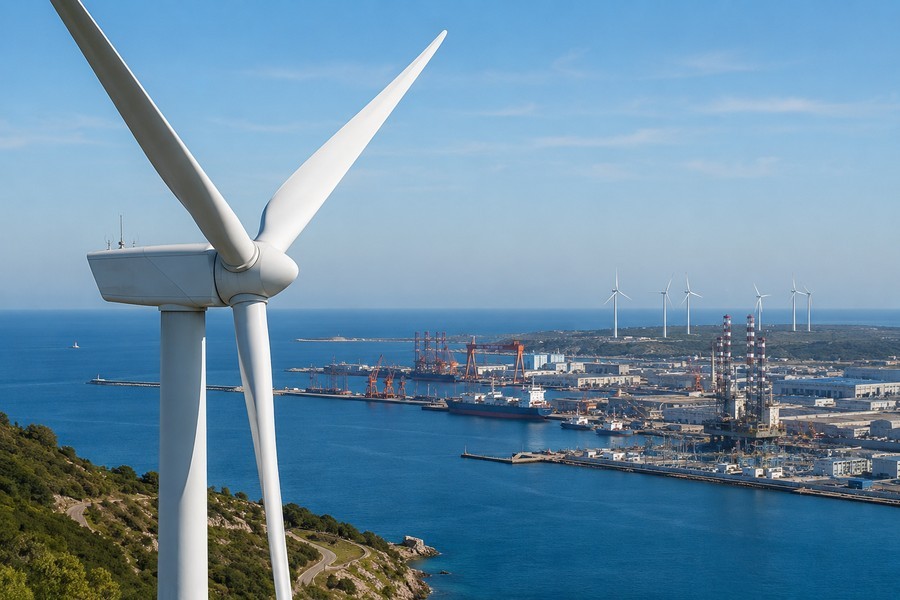
Billions in Public Funds Used to Halt American Wind Energy Projects
The United States government is spending billions of dollars to stop the development of clean energy. Instead of funding new power sources, public money is being used to pay companies not to build offshore wind farms.
Recently, a German energy company called RWE agreed to accept $1.22 billion from the federal government. In exchange for this money, the company will stop its plans to build offshore wind turbines, including a major project that was planned near New York. This is not an isolated incident. It marks the fifth time the current administration has paid a large energy company to cancel its clean energy plans.
With this latest agreement, the total amount of tax money committed to stopping wind energy projects has reached nearly $4 billion. This means the government is spending a massive amount of money to prevent the creation of new energy infrastructure.
Allowing these planned wind projects to move forward would have created new jobs and helped the country become more energy independent. Having domestic energy sources is especially important due to ongoing conflicts with Iran, which could lead to long-term shipping restrictions in the Strait of Hormuz. Instead of building local energy to protect against these global disruptions, public funds are being used to stop projects that could make the nation less dependent on foreign energy routes.
The Three Biggest Problems with Avoiding Clean Energy
Choosing to focus on older, dirtier energy sources instead of wind and solar power creates several major issues for the country:
- Increased reliance on foreign nations: Relying on fossil fuels keeps the nation dependent on unpredictable global energy markets. It also increases the influence of foreign governments, such as Saudi Arabia and Qatar, which control large amounts of oil and gas.
- Higher costs for everyday citizens: Extracting, transporting, and refining fossil fuels is expensive. Businesses and families end up paying higher utility bills for these processes, even though wind and sunlight are free and abundant right outside their homes.
- Faster climate change: Avoiding clean energy speeds up the effects of climate change. Every year, the damage from extreme weather becomes more obvious, threatening both the economy and the safety of communities across the country.
Long-Term Damage to the Energy Industry
The consequences of these cancellations will likely last far beyond the current administration's term. Even if a future president wants to support wind energy, these abandoned projects cannot easily be restarted. Planning and preparing for offshore wind farms requires years of work and massive financial investments. When the government cancels these projects, that preparation is wasted. Energy companies may hesitate to invest in future American projects if they fear a new administration could easily shut them down again.
A Legal Decision Offers Some Hope
Despite these setbacks, some wind projects might still have a chance. A federal judge recently ruled that the Department of Defense acted improperly by refusing to evaluate applications for wind energy projects. The judge, who was originally appointed by the current president, ordered the military to resume these evaluations.
While it is reasonable for the military to check if wind turbines interfere with defense systems, blocking all applications for months under the guise of security concerns was unnecessary. If the defense department continues to reject every project without a fair review, further legal action may be taken to ensure these clean energy turbines can finally be built.