
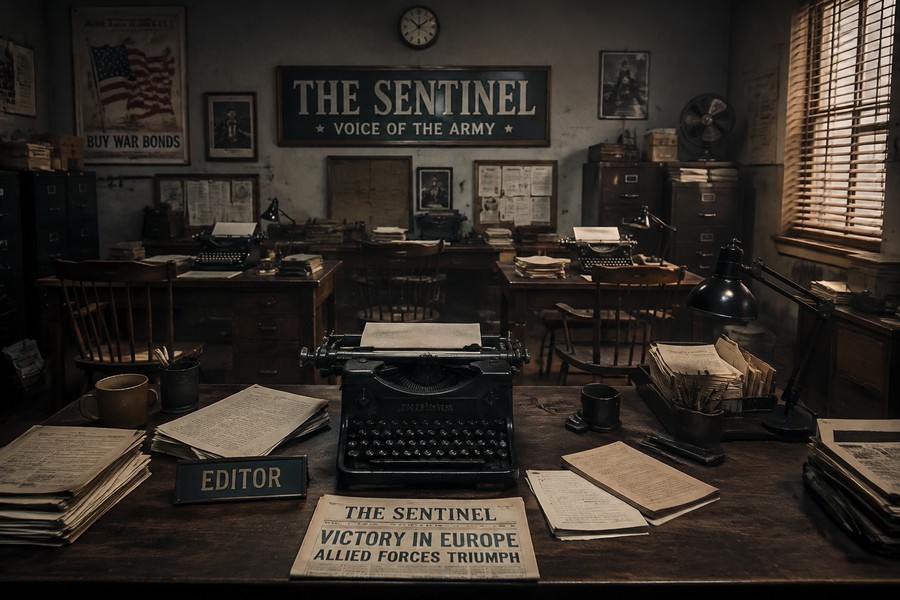
Top Editors of Military Newspaper Dismissed After Raising Concerns About Censorship
The chief editor of an independent daily newspaper written for the military has been dismissed by defense officials. Following his sudden termination, the veteran journalist expressed deep concerns about government censorship and a growing reluctance among defense officials to speak openly with the media.
The editor, who spent over two decades working for the publication, was let go alongside a reporter and the paper's publisher. Officials at the defense headquarters cited insubordination as the reason for the dismissals, but they declined to provide further details regarding the decision.
Tensions Over Editorial Independence
The trouble began after the editor and his colleagues participated in a television interview. During the broadcast, the editor discussed the importance of keeping the paper free from outside influence, noting that any attempt to control the news would cross a major line. He believes these comments led directly to his firing.
The publisher of the newspaper had also recently announced plans to step down. He explained that his view of the newspaper's true mission did not align with the plans that defense officials had for the publication. This dispute highlights a long-standing tension between the writers and the officials who oversee them.
While the military newspaper receives some of its funding from the government, it is protected by special rules. These rules are meant to guarantee that the journalists can report the news freely and independently without interference from military leaders. This ensures that service members receive honest and accurate information.
Reporting on Military Hardships
The chief editor noted that he was not given an official explanation for his firing and is unable to appeal the decision. He wondered if the sudden dismissals were connected to the paper's recent, honest reporting on difficult military situations.
Specifically, the newspaper had published stories about life aboard a major warship deployed in a tense overseas region. The ship and its crew faced challenging conditions, including:
- Spending a record-breaking period of more than 240 consecutive days at sea without a break.
- Severe stress and mental health struggles among the sailors on board.
- Reports of desperate crew members attempting to harm themselves by jumping into the ocean.
While this reporting shed light on the real struggles of service members, it also put pressure on defense officials who prefer to keep such difficulties out of the public eye.
Concerns Over Media Control
The editor explained that the media environment has become increasingly difficult. He pointed out that defense officials have not held a formal press conference in many months, and leaders have repeatedly tried to influence how news stories are written.
The fired reporter shared her thoughts on social media, writing that the decision to terminate the staff is a disservice to the military. She argued that the men and women who serve the nation deserve access to an independent press.
A leader from a major journalism advocacy group also spoke out against the firings. He called the actions a clear attempt by defense officials to dictate how the military is covered in the news, and he demanded that the decisions be reversed immediately.
An Important Source of Information
The daily newspaper is an essential resource for service members and their families. It has a large reach and serves a unique audience:
- The publication reaches an average of 1.4 million readers every day.
- Most readers access the stories online, but physical copies are still printed and delivered.
- Printed papers are sent to troops stationed in remote locations overseas where internet access is not reliable.
This conflict is part of a larger struggle over how much control the government should have over news reporting. Previously, several major news organizations rejected new rules that would have blocked journalists from entering defense headquarters unless they agreed to only report officially approved information. Journalists argued that such rules would prevent them from doing their jobs and keeping the public informed.