
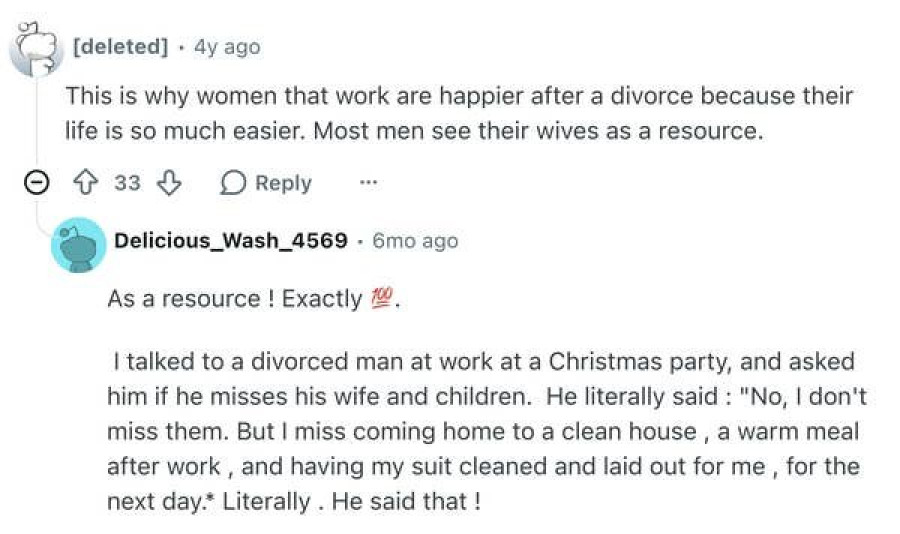
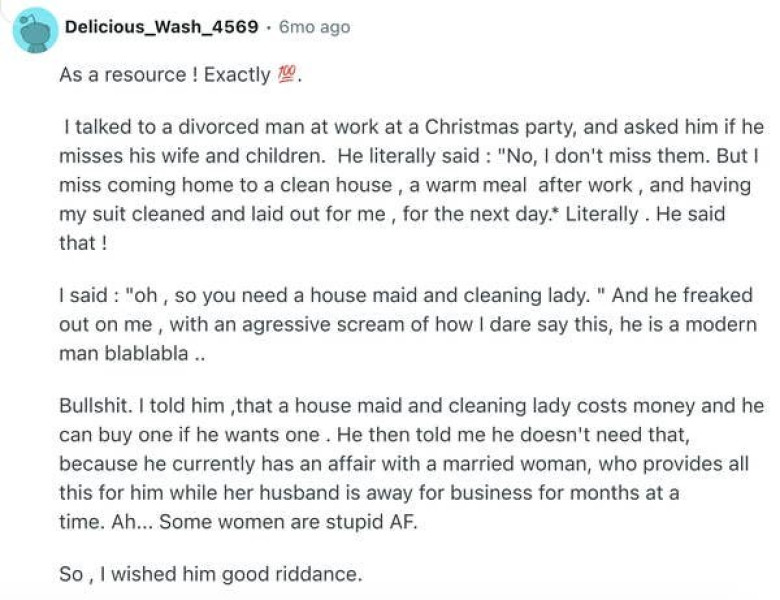
Marriage can bring companionship, shared memories, and family life, but it can also reveal how much each partner depends on the other. A discussion about divorce and traditional gender roles focused on a difficult question: when some men say they miss their former families, do they miss the people themselves, or do they miss the services those relationships provided? One divorced man gave a blunt answer. He said he did not miss his wife or children, but he did miss returning to a clean home, eating a warm meal, and having his clothes cleaned and prepared for him. His response led to a wider conversation about men who may treat wives as resources instead of equal partners.
When Care Becomes Expected
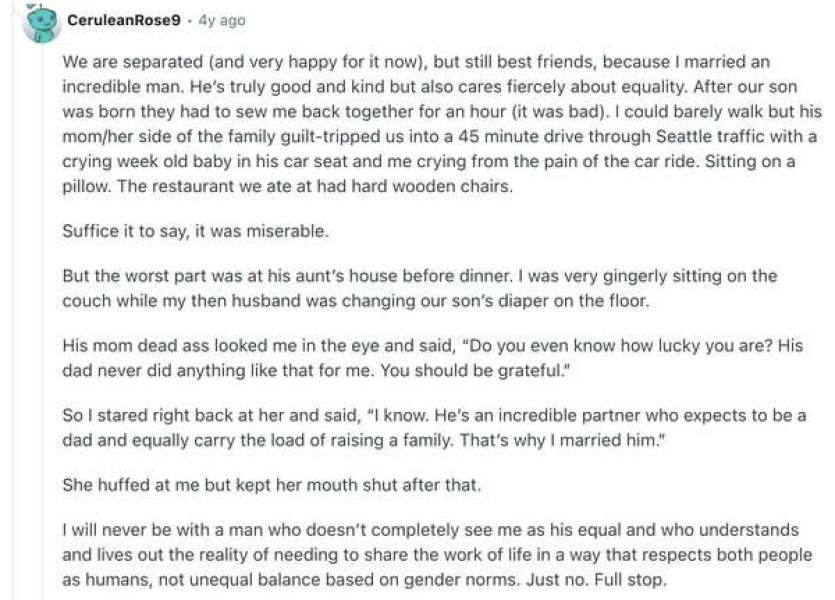
The discussion explored how household work can become invisible when one person performs it every day. Cooking, cleaning, laundry, organizing, and preparing clothes may be treated as ordinary responsibilities rather than meaningful contributions. When a partner only notices these tasks after they disappear, it can suggest that the work was expected rather than appreciated. The question is not whether people should help one another. In a healthy relationship, both partners may support each other in different ways. The concern arises when one person receives ongoing care while offering little effort in return.
This pattern can make a wife feel less like a loved partner and more like someone assigned to maintain another adult’s life. The divorced man’s comments brought attention to that difference. Missing a clean home or prepared meal is not the same as missing a person’s humor, kindness, company, or emotional presence. The distinction helped explain why some people believe that certain men value the comfort and convenience of marriage more than the relationship itself.
Education Can Change Perspective
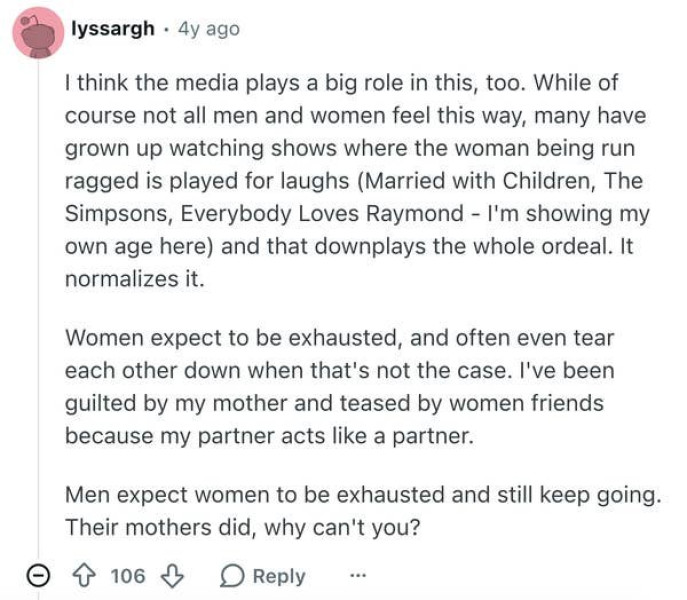
Some women in the conversation described how learning more about gender roles changed the way they understood their relationships. Education can give people new language for experiences they once considered normal. A woman may begin to recognize the difference between sharing responsibilities and carrying most of the work alone. She may also notice when her emotional support, household labor, or personal sacrifices are treated as obligations instead of choices.

These realizations can be uncomfortable, especially when they challenge beliefs learned during childhood. A person who was taught that wives should manage the home may not question that arrangement until she sees other possibilities. Learning about equality, emotional labor, and household responsibility can make older expectations easier to examine. It may also encourage women to think more carefully about the kind of partnership they want in the future.
The Influence of Digital Life and Entertainment
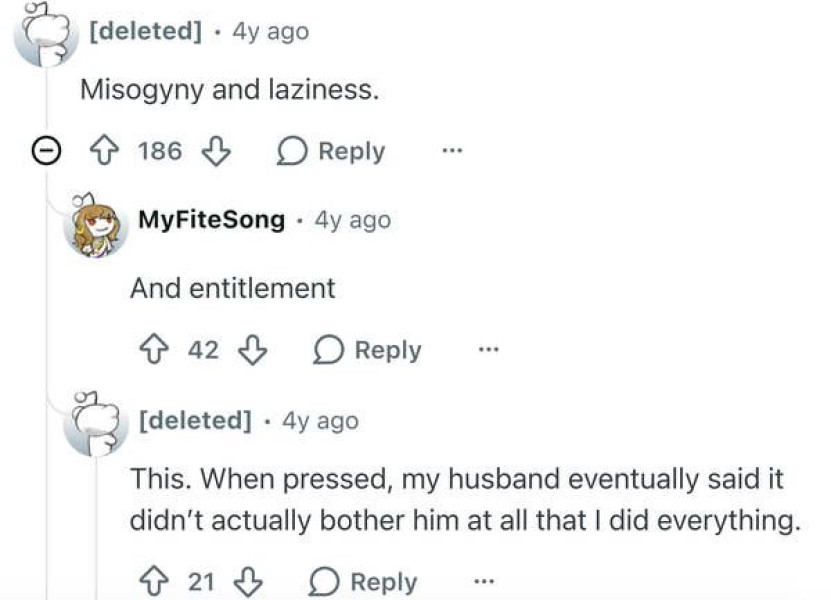
Many people connected these attitudes to the digital world. Online spaces can spread traditional ideas about marriage quickly, especially when repeated messages present women as caretakers and men as entitled to receive care. Digital discussions can also create communities where unequal expectations are treated as ordinary or even desirable. When people see the same message often enough, it may begin to feel like a natural rule rather than a social belief.
Entertainment can reinforce these ideas as well. Movies, television programs, videos, and other popular content sometimes show women handling domestic responsibilities while men remain passive. These roles may be presented as harmless, funny, or romantic, even when they create an unfair balance. Repeated portrayals can shape what people expect from husbands, wives, sons, and daughters. The conversation suggested that media does not create every belief by itself, but it can strengthen attitudes that are already present in families and communities.
Character and Personal Responsibility
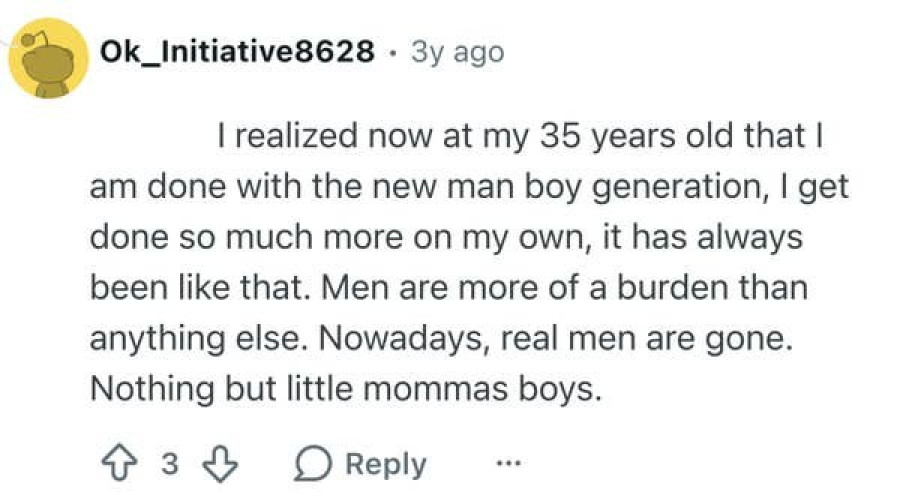
Others argued that the problem cannot be explained only by culture or media. Some men may behave this way because they lack consideration, responsibility, or respect for their partners. A person can grow up around unequal roles and still decide to build a fairer relationship. Social influences may help explain behavior, but they do not remove personal responsibility.
This view places attention on everyday choices. A partner who notices the work being done at home can learn how to share it. A partner who realizes that someone else is carrying the emotional burden can take steps to become more involved. Equality requires more than agreeing with the idea in theory. It requires consistent action, including cleaning, planning, caring for children, managing errands, and supporting the other person without being repeatedly asked.
How Childhood Lessons Shape Adult Relationships

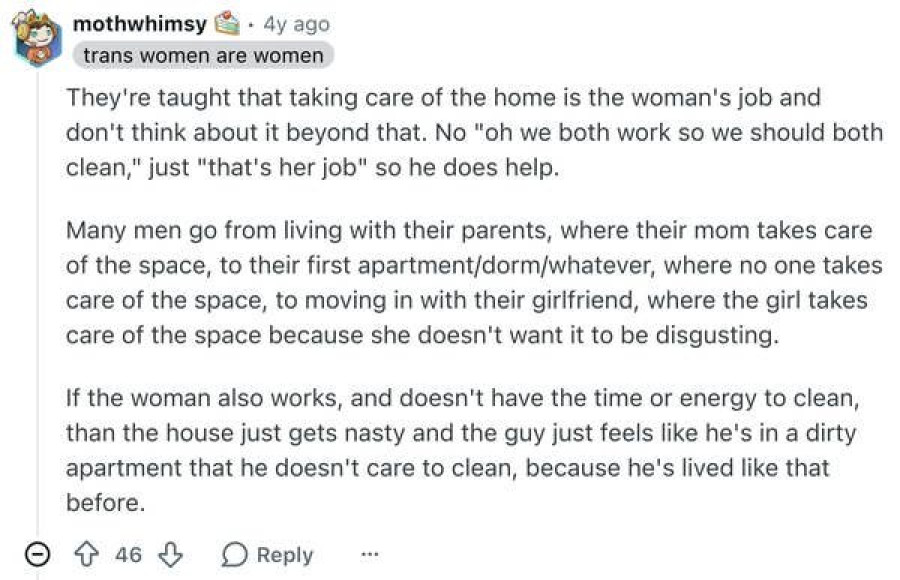
Family upbringing was another major part of the discussion. Boys may be raised to believe that household tasks belong mainly to women, while men are expected to focus on earning money or making major decisions. If children see mothers serving fathers without receiving similar care, they may absorb the idea that this arrangement is normal. Those lessons can follow them into adulthood and affect how they treat their own partners.
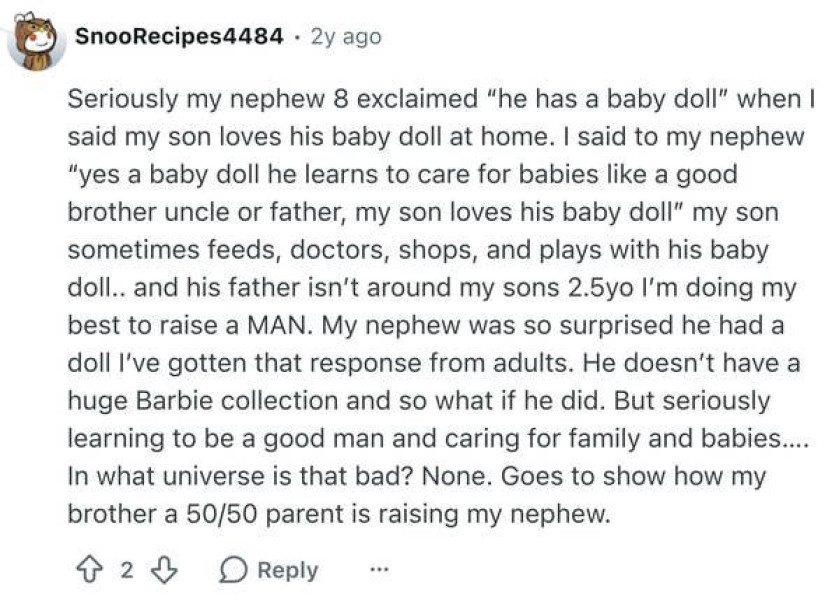
Some people also discussed mothers who resent the way their sons treat their wives. In certain families, a mother may recognize that her son expects his wife to provide the services she once provided herself. She may also feel frustrated because the son’s behavior reflects the unequal marriage she experienced. At the same time, family members can unintentionally pass those same expectations to the next generation. Changing the pattern requires parents to teach sons practical independence, respect, and shared responsibility from an early age.
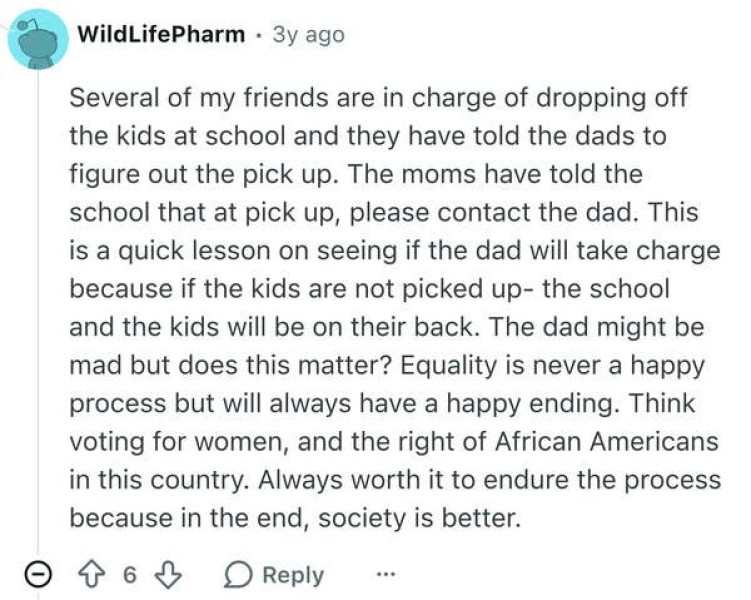
Friendships and Traditional Masculinity
Male friendships can influence these beliefs too. Friends may reinforce traditional ideas about masculinity, marriage, and domestic work. In some groups, men may be encouraged to avoid cooking, cleaning, childcare, or emotional conversations because those activities are unfairly labeled as feminine. A man who wants to participate equally may feel pressure to follow the group’s expectations instead.
Traditional ideas about masculinity can also make it harder for men to admit that they need support or that they have failed to contribute. Healthy friendships can challenge these habits by treating responsibility and emotional maturity as normal parts of adulthood. When men hold one another accountable, they can help create relationships based on cooperation rather than dependence.
Recognizing Life After an Unequal Relationship
For some women, understanding these patterns changes how they view their own lives. They may begin to see that they were doing far more than they realized. Once a relationship ends, they may discover that they can manage their homes, schedules, finances, and personal decisions more efficiently on their own than they expected. This does not mean that independence eliminates the value of companionship. It means that partnership should add support and connection instead of creating another person who must be managed.
These experiences can also help women understand how they were viewed within the relationship. If a former partner misses prepared meals and clean clothes but does not miss the woman who provided them, she may conclude that her labor was valued more than her identity. That understanding can be painful, but it can also make future expectations clearer. A relationship should recognize both people as complete individuals, not reduce one person to a list of services.
The Need for Accountability
Many women continue to challenge the people around them to take responsibility for unequal behavior. This accountability may happen within families, friendships, workplaces, or romantic relationships. It involves questioning assumptions, naming unfair patterns, and refusing to treat dependence as a natural result of being male. Parents, friends, and partners all have a role in encouraging men to become capable participants in their own lives.
The central issue is not whether one person cooks more often or another person handles more cleaning. Couples may divide responsibilities in different ways. The important questions are whether the arrangement is discussed, whether both people agree to it, and whether each person’s work is respected. A fair relationship is built through mutual care, appreciation, and a willingness to contribute.
The conversation about divorce, household labor, and gender roles ultimately raises a broader question about what people truly miss when a relationship ends. Missing comfort and convenience is different from missing a partner as a person. By examining family lessons, media messages, friendships, character, and personal responsibility, people can better understand how unequal expectations develop. More importantly, they can choose relationships in which care is shared and both partners are valued for who they are, not only for what they do.
When Care Becomes Expected
The discussion explored how household work can become invisible when one person performs it every day. Cooking, cleaning, laundry, organizing, and preparing clothes may be treated as ordinary responsibilities rather than meaningful contributions. When a partner only notices these tasks after they disappear, it can suggest that the work was expected rather than appreciated. The question is not whether people should help one another. In a healthy relationship, both partners may support each other in different ways. The concern arises when one person receives ongoing care while offering little effort in return.
This pattern can make a wife feel less like a loved partner and more like someone assigned to maintain another adult’s life. The divorced man’s comments brought attention to that difference. Missing a clean home or prepared meal is not the same as missing a person’s humor, kindness, company, or emotional presence. The distinction helped explain why some people believe that certain men value the comfort and convenience of marriage more than the relationship itself.
Education Can Change Perspective
Some women in the conversation described how learning more about gender roles changed the way they understood their relationships. Education can give people new language for experiences they once considered normal. A woman may begin to recognize the difference between sharing responsibilities and carrying most of the work alone. She may also notice when her emotional support, household labor, or personal sacrifices are treated as obligations instead of choices.
These realizations can be uncomfortable, especially when they challenge beliefs learned during childhood. A person who was taught that wives should manage the home may not question that arrangement until she sees other possibilities. Learning about equality, emotional labor, and household responsibility can make older expectations easier to examine. It may also encourage women to think more carefully about the kind of partnership they want in the future.
The Influence of Digital Life and Entertainment
Many people connected these attitudes to the digital world. Online spaces can spread traditional ideas about marriage quickly, especially when repeated messages present women as caretakers and men as entitled to receive care. Digital discussions can also create communities where unequal expectations are treated as ordinary or even desirable. When people see the same message often enough, it may begin to feel like a natural rule rather than a social belief.
Entertainment can reinforce these ideas as well. Movies, television programs, videos, and other popular content sometimes show women handling domestic responsibilities while men remain passive. These roles may be presented as harmless, funny, or romantic, even when they create an unfair balance. Repeated portrayals can shape what people expect from husbands, wives, sons, and daughters. The conversation suggested that media does not create every belief by itself, but it can strengthen attitudes that are already present in families and communities.
Character and Personal Responsibility
Others argued that the problem cannot be explained only by culture or media. Some men may behave this way because they lack consideration, responsibility, or respect for their partners. A person can grow up around unequal roles and still decide to build a fairer relationship. Social influences may help explain behavior, but they do not remove personal responsibility.
This view places attention on everyday choices. A partner who notices the work being done at home can learn how to share it. A partner who realizes that someone else is carrying the emotional burden can take steps to become more involved. Equality requires more than agreeing with the idea in theory. It requires consistent action, including cleaning, planning, caring for children, managing errands, and supporting the other person without being repeatedly asked.
How Childhood Lessons Shape Adult Relationships
Family upbringing was another major part of the discussion. Boys may be raised to believe that household tasks belong mainly to women, while men are expected to focus on earning money or making major decisions. If children see mothers serving fathers without receiving similar care, they may absorb the idea that this arrangement is normal. Those lessons can follow them into adulthood and affect how they treat their own partners.
Some people also discussed mothers who resent the way their sons treat their wives. In certain families, a mother may recognize that her son expects his wife to provide the services she once provided herself. She may also feel frustrated because the son’s behavior reflects the unequal marriage she experienced. At the same time, family members can unintentionally pass those same expectations to the next generation. Changing the pattern requires parents to teach sons practical independence, respect, and shared responsibility from an early age.
Friendships and Traditional Masculinity
Male friendships can influence these beliefs too. Friends may reinforce traditional ideas about masculinity, marriage, and domestic work. In some groups, men may be encouraged to avoid cooking, cleaning, childcare, or emotional conversations because those activities are unfairly labeled as feminine. A man who wants to participate equally may feel pressure to follow the group’s expectations instead.
Traditional ideas about masculinity can also make it harder for men to admit that they need support or that they have failed to contribute. Healthy friendships can challenge these habits by treating responsibility and emotional maturity as normal parts of adulthood. When men hold one another accountable, they can help create relationships based on cooperation rather than dependence.
Recognizing Life After an Unequal Relationship
For some women, understanding these patterns changes how they view their own lives. They may begin to see that they were doing far more than they realized. Once a relationship ends, they may discover that they can manage their homes, schedules, finances, and personal decisions more efficiently on their own than they expected. This does not mean that independence eliminates the value of companionship. It means that partnership should add support and connection instead of creating another person who must be managed.
These experiences can also help women understand how they were viewed within the relationship. If a former partner misses prepared meals and clean clothes but does not miss the woman who provided them, she may conclude that her labor was valued more than her identity. That understanding can be painful, but it can also make future expectations clearer. A relationship should recognize both people as complete individuals, not reduce one person to a list of services.
The Need for Accountability
Many women continue to challenge the people around them to take responsibility for unequal behavior. This accountability may happen within families, friendships, workplaces, or romantic relationships. It involves questioning assumptions, naming unfair patterns, and refusing to treat dependence as a natural result of being male. Parents, friends, and partners all have a role in encouraging men to become capable participants in their own lives.
The central issue is not whether one person cooks more often or another person handles more cleaning. Couples may divide responsibilities in different ways. The important questions are whether the arrangement is discussed, whether both people agree to it, and whether each person’s work is respected. A fair relationship is built through mutual care, appreciation, and a willingness to contribute.
The conversation about divorce, household labor, and gender roles ultimately raises a broader question about what people truly miss when a relationship ends. Missing comfort and convenience is different from missing a partner as a person. By examining family lessons, media messages, friendships, character, and personal responsibility, people can better understand how unequal expectations develop. More importantly, they can choose relationships in which care is shared and both partners are valued for who they are, not only for what they do.