
A drink can seem to change the mood of a room little by little. Someone may become more talkative, repeat a story, or lose interest in what others are saying. People who avoid alcohol say these shifts can stand out, especially when they see them often. Their observations vary: some describe relaxed, lively gatherings, while others notice pressure, conflict, or habits that can affect the people nearby.
These are personal observations, not a way to judge or diagnose anyone. People respond to alcohol differently, and drinking patterns vary. Still, those who have stopped drinking or never enjoyed it say that stepping back can make familiar social routines easier to see.
When Conversation Starts to Change
One common observation is that drinking can make people more repetitive. A person might tell the same story several times, forget what they were saying, or lose track of a conversation. Some listeners notice that after a few drinks, people speak louder and pay less attention, so questions and details have to be repeated.

Others say that conversations can begin pleasantly and become harder to follow as the evening goes on. People may make arguments that do not add up, become more childish, or believe their comments are more amusing than they seem to a sober listener. A few people described a rough pattern: a gathering stays enjoyable at first, then turns tiring as the drinks continue.
Alcohol can also make some people more open. People who avoid drinking say that strangers or casual acquaintances sometimes share private worries and personal stories soon after they meet. Some drinkers may promise to do something or start telling a story, then forget the promise or trail off before finishing the tale.
Different Drinks, Different Reactions
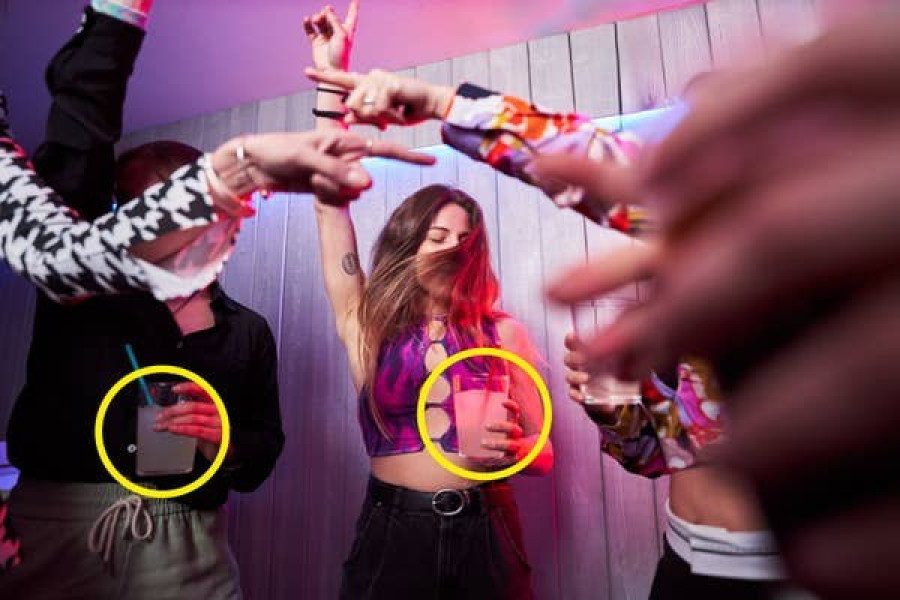
There is no single way people behave after drinking. Some become cheerful, funny, and sociable. Others grow quiet, sleepy, emotional, argumentative, or aggressive. One observer described alcohol as an amplifier: a person’s existing mood may seem stronger, whether they are happy or sad. Several people said the change can feel sudden, as if the person they were speaking with has become someone else.
That shift can shape how others experience an event. A lively guest may bring energy and help people laugh or dance. But someone who drinks past their limits may get sick, start a fight, or have an emotional outburst that changes the mood for everyone. At family gatherings, some observers worry about conflict or about children receiving less attention when adults focus heavily on drinking.
One person recalled seeing adults drink heavily at a young child’s birthday party, while the children were overlooked. Others described social events where people seemed more focused on arranging the next drink than on the activity itself. These experiences can leave sober guests feeling out of place or like their presence does not matter.
Alcohol and Social Life
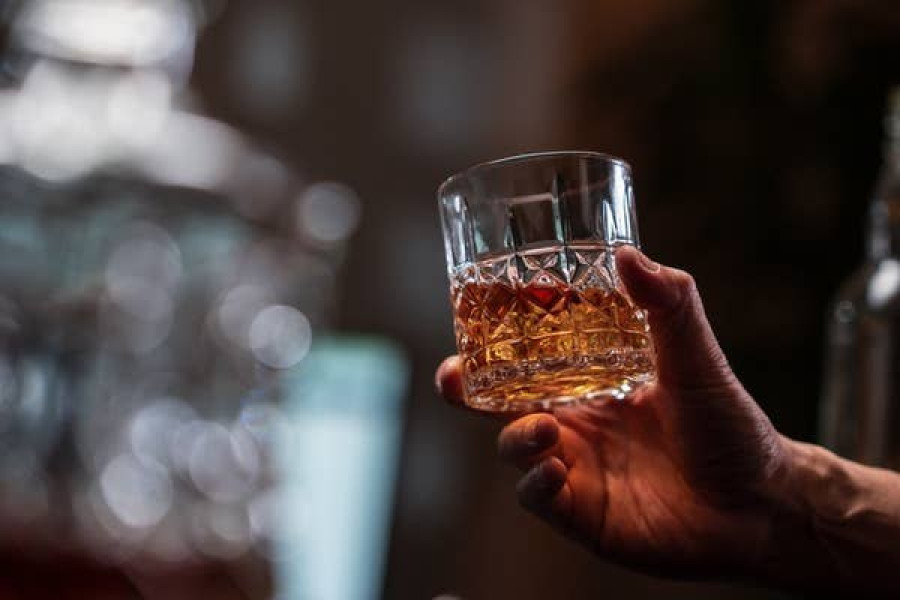
Some people who cut back say they had not realized how much drinking shaped their friendships and free time. For them, alcohol had become an activity in itself. After quitting, they had to find other ways to fill that space, such as reading, baking, exercise, and walks. They also noticed getting fewer invitations when a group’s plans centered on drinking.

Others said some friendships seemed to depend on drinking together. If alcohol was removed from the plan, they wondered whether the friendship would continue. In some groups, people who do not drink may be teased or left out, even when they are participating in the same event. One observer described a park volleyball game where a group spent much of the time planning a drinking activity and teasing the sober player.
For some, drinking also seems tied to choosing where to eat or what to do. They notice people favoring places and activities where alcohol is available. A person who stopped drinking said it took effort to keep up friendships without that shared routine. Socializing without alcohol could feel more mentally tiring, particularly for someone with ADHD, but became easier over time with support and therapy.
Pressure and Explanations
Several sober people said others apologize for drinking around them or quickly explain how often they drink. Common explanations include that drinking happens only on weekends, that stopping would be easy, or that their habits are different from a family member’s. The sober person may not be judging them, yet the explanations can make alcohol seem like a sensitive subject.

Some described stronger pressure. They have been handed a drink after declining one, told they were spoiling the occasion, or treated as though refusing alcohol meant rejecting the celebration. A person who supports a sober partner recalled relatives secretly adding alcohol to a soft drink as a joke and threatening to do the same to the partner. Such behavior can cross a clear boundary.
People also said that drinkers sometimes encourage others to lower their standards or join in. Someone who has chosen not to drink may feel pushed to change that choice, even when they have made it for personal, health, or family reasons. Respecting a refusal can make social situations more comfortable for everyone.

Effects People Notice Beyond the Moment
Some observations go beyond what happens during a party. Sober people may notice a smell on someone who has been drinking, or on people who drink regularly, even when they do not seem drunk. The odor can mix with smoke or perfume and feel overwhelming in a crowded place or on public transportation. One person said they had not noticed it before quitting alcohol.
Others mentioned changes in appearance, including skin that seems tired or dull. They also pointed to the cost of drinking: someone with a low tolerance may feel an effect after one drink, while another person might have several before noticing much. People who drink more may therefore spend more to reach the feeling they want.
Several observers felt that drinkers do not always see how their choices affect family members and friends. A person may be unaware that their drinking worries or hurts someone close to them. Repeated stories about nights that ended in passing out, public nudity, or dangerous situations can also be told as amusing memories, even when the events involved real risks.
A Range of Experiences
Not everyone who drinks changes noticeably, and people who drink responsibly may act much the same as they did before. The comments describe a wide range of experiences rather than a rule that applies to all drinkers. Some sober people value the fun and warmth that friends bring to a gathering; others find certain drinking-centered settings exhausting or uncomfortable.
What many of these observations share is the value of paying attention: to how alcohol affects a person’s behavior, to whether others are being pressured, and to the effect drinking has on relationships and shared events. For people who choose not to drink, these changes can become easier to spot. For those who do drink, noticing them can help keep social time considerate and enjoyable for the people around them.
These are personal observations, not a way to judge or diagnose anyone. People respond to alcohol differently, and drinking patterns vary. Still, those who have stopped drinking or never enjoyed it say that stepping back can make familiar social routines easier to see.
When Conversation Starts to Change
One common observation is that drinking can make people more repetitive. A person might tell the same story several times, forget what they were saying, or lose track of a conversation. Some listeners notice that after a few drinks, people speak louder and pay less attention, so questions and details have to be repeated.
Others say that conversations can begin pleasantly and become harder to follow as the evening goes on. People may make arguments that do not add up, become more childish, or believe their comments are more amusing than they seem to a sober listener. A few people described a rough pattern: a gathering stays enjoyable at first, then turns tiring as the drinks continue.
Alcohol can also make some people more open. People who avoid drinking say that strangers or casual acquaintances sometimes share private worries and personal stories soon after they meet. Some drinkers may promise to do something or start telling a story, then forget the promise or trail off before finishing the tale.
Different Drinks, Different Reactions
There is no single way people behave after drinking. Some become cheerful, funny, and sociable. Others grow quiet, sleepy, emotional, argumentative, or aggressive. One observer described alcohol as an amplifier: a person’s existing mood may seem stronger, whether they are happy or sad. Several people said the change can feel sudden, as if the person they were speaking with has become someone else.
That shift can shape how others experience an event. A lively guest may bring energy and help people laugh or dance. But someone who drinks past their limits may get sick, start a fight, or have an emotional outburst that changes the mood for everyone. At family gatherings, some observers worry about conflict or about children receiving less attention when adults focus heavily on drinking.
One person recalled seeing adults drink heavily at a young child’s birthday party, while the children were overlooked. Others described social events where people seemed more focused on arranging the next drink than on the activity itself. These experiences can leave sober guests feeling out of place or like their presence does not matter.
Alcohol and Social Life
Some people who cut back say they had not realized how much drinking shaped their friendships and free time. For them, alcohol had become an activity in itself. After quitting, they had to find other ways to fill that space, such as reading, baking, exercise, and walks. They also noticed getting fewer invitations when a group’s plans centered on drinking.
Others said some friendships seemed to depend on drinking together. If alcohol was removed from the plan, they wondered whether the friendship would continue. In some groups, people who do not drink may be teased or left out, even when they are participating in the same event. One observer described a park volleyball game where a group spent much of the time planning a drinking activity and teasing the sober player.
For some, drinking also seems tied to choosing where to eat or what to do. They notice people favoring places and activities where alcohol is available. A person who stopped drinking said it took effort to keep up friendships without that shared routine. Socializing without alcohol could feel more mentally tiring, particularly for someone with ADHD, but became easier over time with support and therapy.
Pressure and Explanations
Several sober people said others apologize for drinking around them or quickly explain how often they drink. Common explanations include that drinking happens only on weekends, that stopping would be easy, or that their habits are different from a family member’s. The sober person may not be judging them, yet the explanations can make alcohol seem like a sensitive subject.
Some described stronger pressure. They have been handed a drink after declining one, told they were spoiling the occasion, or treated as though refusing alcohol meant rejecting the celebration. A person who supports a sober partner recalled relatives secretly adding alcohol to a soft drink as a joke and threatening to do the same to the partner. Such behavior can cross a clear boundary.
People also said that drinkers sometimes encourage others to lower their standards or join in. Someone who has chosen not to drink may feel pushed to change that choice, even when they have made it for personal, health, or family reasons. Respecting a refusal can make social situations more comfortable for everyone.
Effects People Notice Beyond the Moment
Some observations go beyond what happens during a party. Sober people may notice a smell on someone who has been drinking, or on people who drink regularly, even when they do not seem drunk. The odor can mix with smoke or perfume and feel overwhelming in a crowded place or on public transportation. One person said they had not noticed it before quitting alcohol.
Others mentioned changes in appearance, including skin that seems tired or dull. They also pointed to the cost of drinking: someone with a low tolerance may feel an effect after one drink, while another person might have several before noticing much. People who drink more may therefore spend more to reach the feeling they want.
Several observers felt that drinkers do not always see how their choices affect family members and friends. A person may be unaware that their drinking worries or hurts someone close to them. Repeated stories about nights that ended in passing out, public nudity, or dangerous situations can also be told as amusing memories, even when the events involved real risks.
A Range of Experiences
Not everyone who drinks changes noticeably, and people who drink responsibly may act much the same as they did before. The comments describe a wide range of experiences rather than a rule that applies to all drinkers. Some sober people value the fun and warmth that friends bring to a gathering; others find certain drinking-centered settings exhausting or uncomfortable.
What many of these observations share is the value of paying attention: to how alcohol affects a person’s behavior, to whether others are being pressured, and to the effect drinking has on relationships and shared events. For people who choose not to drink, these changes can become easier to spot. For those who do drink, noticing them can help keep social time considerate and enjoyable for the people around them.