
Some children grow up believing they have the most exciting parents in town. Their homes are open to parties, rules seem optional, and adults may allow behavior that other parents would stop immediately. At the time, that freedom can feel special. Years later, however, many adults look back and see something very different: lack of supervision, unsafe adult behavior, and childhood responsibilities they should never have carried.
Parenting can look different from one family to another, and no single approach works for everyone. Still, there is a major difference between being relaxed and failing to protect a child. Parents sometimes try to be “fun,” “chilled out,” or popular with their children and their friends. In the most extreme cases, they ignore bedtimes, chores, school attendance, and basic safety. Some even allow children to drink alcohol, smoke, use drugs, or host parties while they are still minors.
When Freedom Becomes Neglect
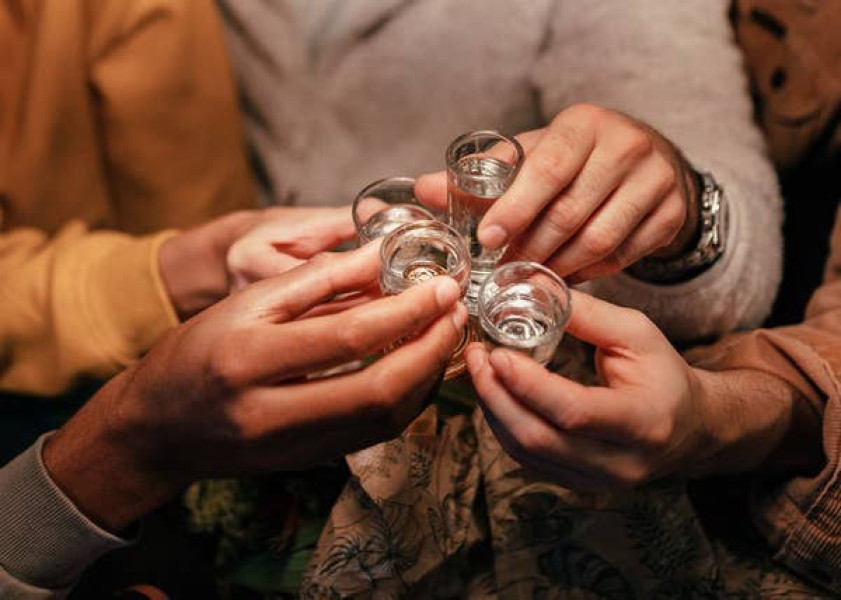
A parent may believe that allowing teenagers to experiment at home makes those activities safer. They might think they can supervise drinking or parties better than they can control what happens elsewhere. But several adults described situations in which the adults were not truly supervising anything. Instead, they supplied alcohol, joined in, ignored dangerous behavior, or allowed children to disappear for long periods without asking questions.
For children, this kind of freedom can be confusing. They may enjoy avoiding rules while also feeling abandoned. A young person still needs protection, structure, and an adult who notices when something is wrong. Without those things, children may begin raising themselves, caring for younger siblings, or taking serious risks simply to receive attention.
Children Who Had to Raise Themselves
One adult remembered having a mother who seemed “cool” because she offered almost no supervision. By age 14, the child was already drinking and smoking and was helping raise a baby brother. Despite being very young, the teenager understood that something was missing and wanted rules, stability, and guidance. Now that person has adult children and has chosen to provide the kind of parenting they wished they had received.

Another person described a mother who secretly brought liquor to a fair so a group of 15-year-olds could get drunk. The father knew that the teenagers had taken alcohol and still asked them to give him some. Years later, while raising a 15-year-old daughter, the adult began to recognize how damaging that childhood environment had been. Seeing their own child reach the same age made the lack of protection much clearer.
Other memories involved parents who bought alcohol for their children and their friends, drank alongside them, or treated teenagers like adult party companions. One mother dressed like a teenager and later married a person who had been the best friend of her child’s high school boyfriend. These situations blurred the line between parent and peer and left the children dealing with adult behavior they were not prepared to understand.
Risky Behavior Used to Seek Attention

Some adults connected their dangerous behavior directly to emotional neglect. One person recalled being allowed to stay away from home for an entire weekend without explaining where they had been. At 16, they wanted attention and affection so badly that they became blackout drunk, partly by accident. When they woke up, they could not remember what had happened, and no one even realized they were home.

That experience shows why supervision is about more than enforcing rules. A responsible adult pays attention to changes in a child’s behavior, notices when the child is struggling, and responds before a crisis becomes serious. When children feel invisible, they may take extreme steps to force someone to notice them. The behavior may look rebellious, but underneath it can be a desperate attempt to receive care.
Adults Who Made Children Part of Their Social Lives
Several people described parents who drank or used drugs with teenagers and their friends. One person said their mother regularly used substances with older siblings and their friends and later became involved with some of those friends after they turned 18. The adult described growing up in that environment as unbearable and felt relieved to be away from it.

Another person reflected, “I shouldn’t have been smoking in the garage with people’s parents.” The short statement captured a larger problem: adults had treated children’s risky behavior as normal entertainment instead of recognizing their responsibility to stop it.
In another family, a mother hosted large keg parties for teenagers who were only 14 or 15. The children whose parents refused to let them sleep there were angry at the time, but those parents understood the danger. Their refusal was not an attempt to ruin their children’s fun. It was a decision to keep them away from an environment where alcohol was being openly provided.

Alcohol and Drugs Introduced Too Early
Some memories began when the children were still very young. One adult recalled receiving shots from a friend’s mother at age 10 during parties at the woman’s home. As a parent, that person now finds the idea horrifying and cannot imagine allowing anyone to give alcohol to their own 10-year-old child.
Another adult remembered a friend’s mother buying alcohol for teenagers, giving them prescription anti-anxiety medication, and calling them out of school while pretending to be their parent. The teenager sometimes stayed away from home for several days. When the child’s actual mother arrived worried that the child was missing, the other adult lied and claimed not to know where the child was.
These accounts involve more than poor judgment. They describe adults actively helping minors hide from their families, miss school, consume dangerous substances, and avoid protection. One person said their mother was fortunate not to face criminal consequences and later recognized that her efforts to seem young and popular had placed children in serious danger.
Parents Who Still Do Not Understand the Harm
Some adults said their parents continue to act confused when confronted about the past. They remember being allowed to use drugs and hold parties at age 14, while their parents insist those events were not serious or do not recall them accurately. This denial can make healing more difficult because the adult child is left carrying painful memories without acknowledgment from the people responsible.


One person said their best friend’s mother introduced them to liquor and used drugs with them, describing the experience as life-changing in the worst possible way. Another recalled parents who prepared large dinners for friends, provided wine and beer, and allowed teenagers to party in the basement. Those parents may have believed they were creating a controlled and safe place for young people to experiment. Looking back, the child saw the situation as deeply inappropriate.
The Past Looks Different After Having Children
Many of these memories became more painful when the adults had children of their own. Watching a son or daughter reach the age they were during the worst experiences can make the past suddenly easier to understand. One adult said they no longer speak to either parent at age 38 because becoming a parent revealed how serious the neglect had been.
Another person remembered being allowed to host a huge graduation party with alcohol spread throughout the house. At the time, it seemed exciting. As a parent, that same person now wonders why the adults thought permitting such a gathering was acceptable. That change in perspective is common: what once felt like freedom can later be recognized as abandonment.
When a child may be experiencing abuse or facing immediate danger, the National Child Abuse Hotline can be reached by calling or texting 1-800-422-4453. Assistance is available in more than 140 languages. People dealing with substance use can contact the National Helpline at 1-800-662-4357. Mental health information and referrals are available through the National Alliance on Mental Illness at 1-800-950-6264.
Being a relaxed parent does not require being distant, careless, or permissive about dangerous behavior. Children need warmth, trust, and age-appropriate independence, but they also need adults who set limits and remain alert. The adults sharing these memories show that children may remember a parent’s lack of boundaries as a lack of love and protection. What seems “cool” during adolescence can leave lasting emotional damage long after the parties end.
Parenting can look different from one family to another, and no single approach works for everyone. Still, there is a major difference between being relaxed and failing to protect a child. Parents sometimes try to be “fun,” “chilled out,” or popular with their children and their friends. In the most extreme cases, they ignore bedtimes, chores, school attendance, and basic safety. Some even allow children to drink alcohol, smoke, use drugs, or host parties while they are still minors.
When Freedom Becomes Neglect
A parent may believe that allowing teenagers to experiment at home makes those activities safer. They might think they can supervise drinking or parties better than they can control what happens elsewhere. But several adults described situations in which the adults were not truly supervising anything. Instead, they supplied alcohol, joined in, ignored dangerous behavior, or allowed children to disappear for long periods without asking questions.
For children, this kind of freedom can be confusing. They may enjoy avoiding rules while also feeling abandoned. A young person still needs protection, structure, and an adult who notices when something is wrong. Without those things, children may begin raising themselves, caring for younger siblings, or taking serious risks simply to receive attention.
Children Who Had to Raise Themselves
One adult remembered having a mother who seemed “cool” because she offered almost no supervision. By age 14, the child was already drinking and smoking and was helping raise a baby brother. Despite being very young, the teenager understood that something was missing and wanted rules, stability, and guidance. Now that person has adult children and has chosen to provide the kind of parenting they wished they had received.
Another person described a mother who secretly brought liquor to a fair so a group of 15-year-olds could get drunk. The father knew that the teenagers had taken alcohol and still asked them to give him some. Years later, while raising a 15-year-old daughter, the adult began to recognize how damaging that childhood environment had been. Seeing their own child reach the same age made the lack of protection much clearer.
Other memories involved parents who bought alcohol for their children and their friends, drank alongside them, or treated teenagers like adult party companions. One mother dressed like a teenager and later married a person who had been the best friend of her child’s high school boyfriend. These situations blurred the line between parent and peer and left the children dealing with adult behavior they were not prepared to understand.
Risky Behavior Used to Seek Attention
Some adults connected their dangerous behavior directly to emotional neglect. One person recalled being allowed to stay away from home for an entire weekend without explaining where they had been. At 16, they wanted attention and affection so badly that they became blackout drunk, partly by accident. When they woke up, they could not remember what had happened, and no one even realized they were home.
That experience shows why supervision is about more than enforcing rules. A responsible adult pays attention to changes in a child’s behavior, notices when the child is struggling, and responds before a crisis becomes serious. When children feel invisible, they may take extreme steps to force someone to notice them. The behavior may look rebellious, but underneath it can be a desperate attempt to receive care.
Adults Who Made Children Part of Their Social Lives
Several people described parents who drank or used drugs with teenagers and their friends. One person said their mother regularly used substances with older siblings and their friends and later became involved with some of those friends after they turned 18. The adult described growing up in that environment as unbearable and felt relieved to be away from it.
Another person reflected, “I shouldn’t have been smoking in the garage with people’s parents.” The short statement captured a larger problem: adults had treated children’s risky behavior as normal entertainment instead of recognizing their responsibility to stop it.
In another family, a mother hosted large keg parties for teenagers who were only 14 or 15. The children whose parents refused to let them sleep there were angry at the time, but those parents understood the danger. Their refusal was not an attempt to ruin their children’s fun. It was a decision to keep them away from an environment where alcohol was being openly provided.
Alcohol and Drugs Introduced Too Early
Some memories began when the children were still very young. One adult recalled receiving shots from a friend’s mother at age 10 during parties at the woman’s home. As a parent, that person now finds the idea horrifying and cannot imagine allowing anyone to give alcohol to their own 10-year-old child.
Another adult remembered a friend’s mother buying alcohol for teenagers, giving them prescription anti-anxiety medication, and calling them out of school while pretending to be their parent. The teenager sometimes stayed away from home for several days. When the child’s actual mother arrived worried that the child was missing, the other adult lied and claimed not to know where the child was.
These accounts involve more than poor judgment. They describe adults actively helping minors hide from their families, miss school, consume dangerous substances, and avoid protection. One person said their mother was fortunate not to face criminal consequences and later recognized that her efforts to seem young and popular had placed children in serious danger.
Parents Who Still Do Not Understand the Harm
Some adults said their parents continue to act confused when confronted about the past. They remember being allowed to use drugs and hold parties at age 14, while their parents insist those events were not serious or do not recall them accurately. This denial can make healing more difficult because the adult child is left carrying painful memories without acknowledgment from the people responsible.
One person said their best friend’s mother introduced them to liquor and used drugs with them, describing the experience as life-changing in the worst possible way. Another recalled parents who prepared large dinners for friends, provided wine and beer, and allowed teenagers to party in the basement. Those parents may have believed they were creating a controlled and safe place for young people to experiment. Looking back, the child saw the situation as deeply inappropriate.
The Past Looks Different After Having Children
Many of these memories became more painful when the adults had children of their own. Watching a son or daughter reach the age they were during the worst experiences can make the past suddenly easier to understand. One adult said they no longer speak to either parent at age 38 because becoming a parent revealed how serious the neglect had been.
Another person remembered being allowed to host a huge graduation party with alcohol spread throughout the house. At the time, it seemed exciting. As a parent, that same person now wonders why the adults thought permitting such a gathering was acceptable. That change in perspective is common: what once felt like freedom can later be recognized as abandonment.
When a child may be experiencing abuse or facing immediate danger, the National Child Abuse Hotline can be reached by calling or texting 1-800-422-4453. Assistance is available in more than 140 languages. People dealing with substance use can contact the National Helpline at 1-800-662-4357. Mental health information and referrals are available through the National Alliance on Mental Illness at 1-800-950-6264.
Being a relaxed parent does not require being distant, careless, or permissive about dangerous behavior. Children need warmth, trust, and age-appropriate independence, but they also need adults who set limits and remain alert. The adults sharing these memories show that children may remember a parent’s lack of boundaries as a lack of love and protection. What seems “cool” during adolescence can leave lasting emotional damage long after the parties end.